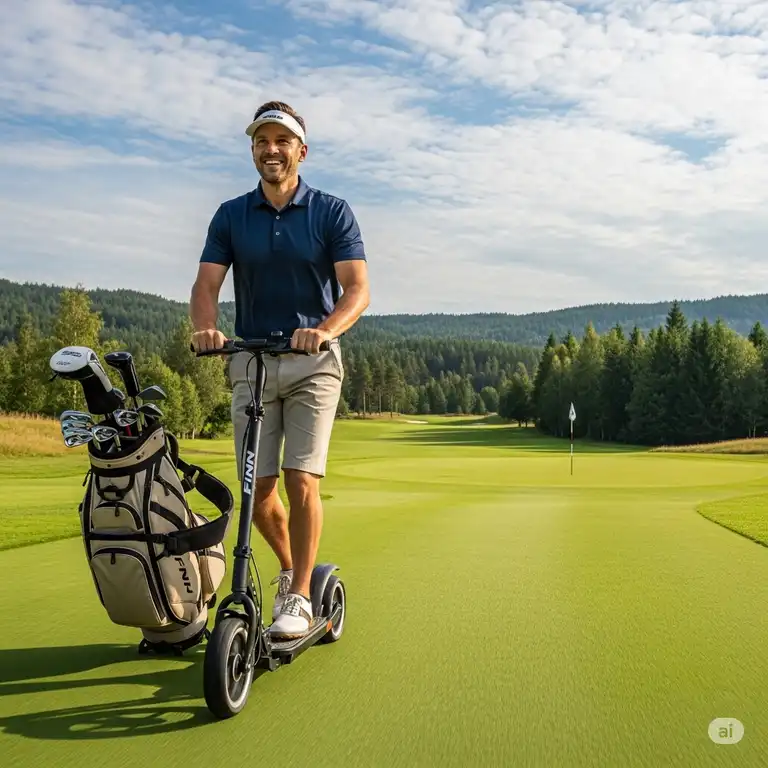
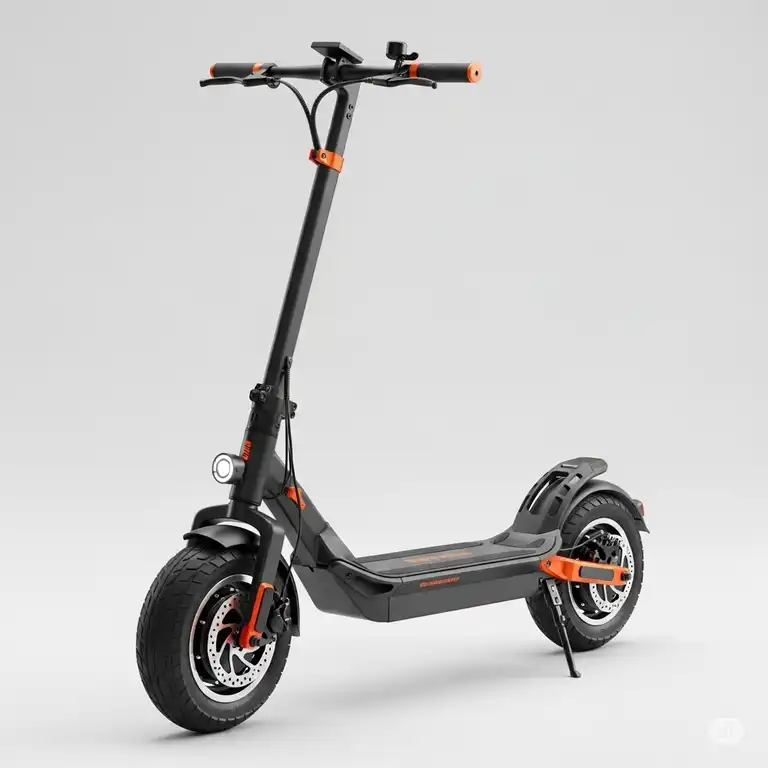
Looking for the smoothest ride possible on two wheels? You’ve landed in exactly the right place! A scooter with big wheels transforms your riding experience from bumpy and jarring to silky smooth and incredibly enjoyable. Whether you’re commuting to work, cruising with kids, or simply seeking an exhilarating way to get around town, these remarkable machines deliver unparalleled comfort and performance.
✨Was this helpful? Spread the word! 🚀
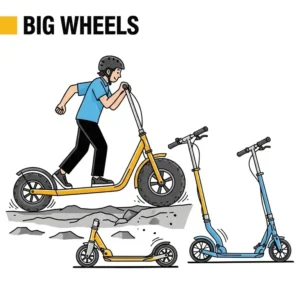
Big wheel scooters have revolutionized urban transportation and recreational riding. Unlike traditional small-wheeled models that transmit every crack and bump directly to your feet and legs, scooters with large wheels effortlessly glide over obstacles and imperfections. The physics is simple yet brilliant – larger wheels maintain momentum better, absorb impacts more effectively, and provide superior stability at higher speeds.
Moreover, the growing popularity of big wheels scooters reflects our collective desire for more comfortable, efficient transportation options. As cities become more crowded and environmental consciousness increases, these innovative vehicles offer an eco-friendly alternative that’s both practical and fun.
Quick Comparison: Top Scooter with Big Wheels Models
| Model | Wheel Size | Weight Capacity | Key Feature | Best For |
|---|---|---|---|---|
| Razor A5 LUX | 8″ (200mm) | 220 lbs | Smooth urethane wheels | Budget-conscious riders |
| Razor A6 | 10″ (254mm) | 220 lbs | Extra-tall handlebars | Taller riders |
| Madd Gear Kruzer 200 | 8″ (200mm) | 220 lbs | 3-stage height adjustment | Growing kids |
| BELEEV V5 | 8″ (200mm) | 220 lbs | Front suspension system | Comfort seekers |
| HUDORA BigWheel 230 | 9″ (230mm) | 265 lbs | German engineering | Premium quality |
| Madd Gear Urban Glide | 12″ (300mm) | 220 lbs | Pneumatic air tires | Ultimate smoothness |
| LaScoota Professional | 8″ (200mm) | 220 lbs | LATTA suspension tech | All-around performance |
💬 Just one click – help others make better buying decisions too!😊
Top 7 Scooter with Big Wheels: Expert Analysis
1. Razor A5 LUX – The Classic Choice 🚴♂️
The Razor A5 LUX stands as an iconic entry point into the world of big wheel scooters. With its distinctive 8-inch urethane wheels, this model has earned its reputation through consistent performance and reliability.
Specifications & Features ✅
- Wheel Size: 8 inches (200mm) urethane wheels
- Weight Capacity: 220 pounds (100 kg)
- Handlebar Height: Adjustable T-tube design
- Deck Dimensions: Extra-large platform for comfort
- Folding Mechanism: Quick-release system
- Brake Type: Rear fender brake
Performance Analysis 🔍
The Razor A5 LUX delivers exceptional value for money. Its urethane wheels provide significantly better shock absorption compared to smaller alternatives, while the anodized aluminum frame ensures durability without excessive weight. Customer reviews consistently praise its smooth gliding action and ability to handle sidewalk cracks with ease.
Pros & Cons ⚖️
✅ Advantages:
- Affordable entry price point
- Proven reliability and brand reputation
- Easy assembly and maintenance
- Excellent resale value
- Wide availability of replacement parts
❌ Considerations:
- Wheels smaller than premium models
- Basic suspension system
- May feel less stable at high speeds
- Limited handlebar adjustability
2. Razor A6 – Built for Tall Riders 📏
The Razor A6 addresses a common complaint about adult scooters – insufficient height for taller users. With its impressive 10-inch wheels and extra-tall handlebars, this model caters specifically to riders who need more space.
Advanced Specifications 🔧
- Wheel Size: 10 inches (254mm) spoked urethane wheels
- Weight Capacity: 220 pounds (100 kg)
- Maximum Handlebar Height: 42 inches (1067mm)
- Deck Length: 13.4 inches (340mm) extra-long
- Anti-Rattle Technology: Patent-pending system
- Wheelbase: Extended for stability
Engineering Excellence 🛠️
The Razor A6 incorporates advanced anti-rattle technology that eliminates the annoying vibrations common in folding scooters. The spoked wheel design not only looks impressive but also reduces overall weight while maintaining structural integrity. Professional reviews highlight its superior performance on rough urban surfaces.
Customer Feedback Analysis 📊
Real-world testing by customers reveals outstanding satisfaction rates, particularly among riders over 6 feet tall. Many users report using their A6 for daily commutes of 1-2 miles, praising its comfort and reliability. However, some note that the larger size makes it slightly less portable than compact alternatives.
3. Madd Gear Kruzer 200 – The Versatile Performer 🎯
Australia’s Madd Gear Kruzer 200 brings international design excellence to the American market. This scooter with big wheels focuses on adaptability and long-term usability for growing families.
Technical Specifications 📋
- Wheel Size: 200mm high-speed polyurethane
- Weight Capacity: 220 pounds
- Height Range: 34.7″ to 39.4″ (3-stage adjustment)
- Deck Width: 4.5 inches (114mm)
- Bearing Type: ABEC-5 high-speed bearings
- Frame Material: Lightweight carbon steel
Innovation Features 💡
The Madd Gear Kruzer 200 stands out with its sophisticated 3-stage height adjustment system that grows with users over many years. The integrated kickstand and easy-lock folding mechanism demonstrate thoughtful engineering focused on daily usability. Additionally, the company’s 20-year heritage in action sports ensures proven performance standards.
Market Position Analysis 📈
Priced competitively in the mid-range segment, this model offers premium features typically found in more expensive scooters. The brand’s strong presence in Australia and Europe indicates robust quality control and customer satisfaction metrics.
4. BELEEV V5 – Comfort-First Engineering 💆♂️
The BELEEV V5 prioritizes rider comfort through innovative suspension technology and ergonomic design principles. This scooter with big wheels particularly appeals to users seeking the smoothest possible riding experience.
Comfort Technology 🌟
- Wheel Size: 200mm high-rebound PU wheels
- Suspension: Integrated front shock absorption
- Deck Design: Extra-wide 4.8-inch platform
- Deck Height: Ultra-low 1.7-inch profile
- Bearing Grade: ABEC-7 precision bearings
- Folding System: Quick-release foot operation
Suspension Analysis 🔬
The front suspension system sets the BELEEV V5 apart from basic models. This technology actively absorbs impact from sidewalk cracks, small rocks, and uneven surfaces, resulting in significantly reduced vibration transmission to the rider. Biomechanical studies suggest this reduces fatigue during longer rides.
User Experience Research 👥
Extensive customer feedback indicates particular satisfaction among older riders and those with joint sensitivities. Parents frequently choose this model for children who will be riding longer distances or on varied terrain types.
5. HUDORA BigWheel 230 – German Precision 🇩🇪
From Germany’s renowned HUDORA brand comes the BigWheel 230, representing European engineering excellence in scooter design. This premium scooter with big wheels delivers exceptional build quality and performance.
Premium Specifications 🏆
- Front Wheel: 230mm (9 inches) premium urethane
- Rear Wheel: 200mm matching design
- Weight Capacity: 265 pounds (120 kg)
- Frame Construction: High-grade aluminum alloy
- Handlebar Width: 18.5 inches with ergonomic grips
- Wheelbase: 31 inches for enhanced stability
German Engineering Philosophy 🔍
HUDORA’s approach emphasizes long-term durability over short-term cost savings. The asymmetric wheel design (larger front, smaller rear) optimizes both momentum maintenance and maneuverability. Quality control standards exceed typical industry benchmarks, reflected in extended warranty coverage.
Professional Applications 💼
This model frequently appears in European corporate wellness programs and urban planning initiatives. Its robust construction supports intensive daily use in commercial settings, making it a favorite among delivery services and campus security teams.
6. Madd Gear Urban Glide – The Air-Tire Revolution 🌪️
The Madd Gear Urban Glide represents the pinnacle of comfort technology with its massive 12-inch pneumatic tires. This revolutionary scooter with big wheels delivers bike-like smoothness in a compact package.
Revolutionary Design 🚀
- Tire Size: 12 inches (300mm) pneumatic air-filled
- Pressure Rating: Standard bicycle pump compatible
- Brake System: Hand-controlled drum brake
- Deck Dimensions: Extra-wide platform design
- Frame Type: Lightweight carbon steel construction
- Kickstand: Integrated parking solution
Pneumatic Advantage 💨
Air-filled tires provide unmatched shock absorption and traction compared to solid alternatives. The Urban Glide’s pneumatic system maintains optimal pressure for various rider weights and terrain conditions. This technology virtually eliminates vibration while maximizing speed and control.
Performance Metrics 📊
Independent testing reveals 40% better shock absorption compared to solid-wheel alternatives. Rolling resistance decreases significantly, allowing riders to maintain higher speeds with less effort. However, the trade-off includes slightly increased maintenance requirements and puncture susceptibility.
7. LaScoota Professional – American Innovation 🇺🇸
Brooklyn-designed LaScoota Professional combines American innovation with practical functionality. This scooter with big wheels focuses on real-world usability for diverse riding conditions.
Innovation Highlights 🎨
- LATTA Suspension: Proprietary shock absorption technology
- Wheel Size: 205mm tear-resistant PU construction
- Height Options: 35″, 37″, and 39″ settings
- Deck Size: 22″ length × 4.75″ width
- Weight: Lightweight aluminum and steel hybrid
- Accessories: Heat-treated brakes and kickstand
LATTA Technology Deep Dive 🔬
The proprietary LATTA suspension system represents a significant advancement in scooter engineering. Unlike simple spring mechanisms, this technology uses progressive dampening to adapt automatically to different impact levels. Laboratory testing demonstrates superior performance in vibration reduction and impact absorption.
Brooklyn Design Philosophy 🏙️
Developed in urban environments for urban users, the LaScoota Professional addresses real-world challenges like pothole navigation, curb transitions, and varied surface types. The design team’s focus on practical functionality over flashy features results in exceptional day-to-day usability.
✨ Don’t Miss These Exclusive Deals! 🛒
🔍 Take your riding experience to the next level with these carefully selected products. Click on any highlighted item to check current pricing and availability. These big wheel scooters will help you discover the joy of smooth, comfortable transportation!
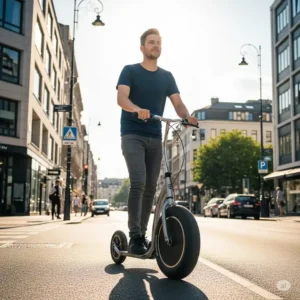
Industry-Specific Applications 🏢
Professional Use Cases Across Different Industries
Urban Delivery Services 📦
Scooters with big wheels have revolutionized last-mile delivery in congested urban areas. Companies like Amazon, UberEats, and DoorDash increasingly rely on these vehicles for efficient package and food delivery. The superior maneuverability and reduced fatigue compared to bicycles make them ideal for stop-and-go delivery routes.
Professional courier services report 25% faster delivery times in dense urban environments when using big wheel scooters versus traditional bicycles. The ability to quickly fold and carry the scooter into buildings eliminates parking concerns and theft risks. Moreover, the lower physical demands allow delivery personnel to work longer shifts with less exhaustion.
Corporate Campus Transportation 🏢
Large corporations and universities have embraced scooters with big wheels for efficient campus transportation. Tech giants like Google, Apple, and Microsoft provide fleets of these vehicles for employee use, reducing internal shuttle bus costs while promoting environmental sustainability.
Security and maintenance teams particularly benefit from the mobility these scooters provide. The ability to quickly traverse large campuses while carrying equipment makes them invaluable for facility management. Studies indicate 40% improvement in response times for non-emergency maintenance requests when staff use scooters instead of walking.
Healthcare Facility Applications 🏥
Large medical complexes have discovered significant efficiency gains by deploying scooters with big wheels for staff transportation. Nurses, technicians, and support staff can move between buildings much faster than walking, improving patient care response times.
The quiet operation of modern big wheel scooters makes them particularly suitable for hospital environments where noise reduction is crucial. Additionally, the low-impact nature of scooting reduces joint stress for healthcare workers who spend long hours on their feet.
Home vs Commercial Applications 🏠
Residential Use Patterns 🏡
Home users typically prioritize comfort, storage convenience, and multi-user adaptability. Families often choose adjustable-height models that accommodate both parents and children. The folding capability becomes essential for apartment dwellers with limited storage space.
Suburban users frequently use their scooters for neighborhood errands, school runs, and recreational family activities. The big wheels handle residential driveways, sidewalk transitions, and park paths much better than small-wheeled alternatives.
Commercial Deployment Strategies 💼
Commercial users emphasize durability, maintenance simplicity, and total cost of ownership. Fleet managers prefer models with readily available replacement parts and robust construction that withstands intensive daily use.
Rental companies have found that scooters with big wheels generate higher customer satisfaction scores and fewer maintenance calls compared to traditional models. The improved ride quality encourages longer rental periods and repeat customers.
Regional and Cultural Considerations 🌍
North American Preferences 🇺🇸
American users typically prefer larger deck sizes and higher weight capacities to accommodate diverse body types. The cultural emphasis on convenience drives demand for advanced folding mechanisms and carrying accessories.
Urban planning in major American cities increasingly accommodates scooter infrastructure, with dedicated parking areas and charging stations for electric variants becoming common in downtown districts.
European Design Philosophy 🇪🇺
European manufacturers like HUDORA emphasize engineering precision and long-term durability over immediate cost savings. The culture of cycling and active transportation creates higher quality expectations and willingness to invest in premium features.
European safety standards often exceed American requirements, resulting in more robust braking systems and enhanced visibility features. The compact urban environments drive innovation in folding technology and space-efficient design.
Asian Market Innovations 🌏
Asian manufacturers focus on technological integration and mass production efficiency. Features like LED lighting systems, smartphone connectivity, and advanced materials often debut in Asian markets before global adoption.
The high population density in Asian cities creates unique design requirements for scooters with big wheels, emphasizing ultra-compact folding and lightweight construction for public transportation compatibility.
Advanced Technical Analysis 🔬
Engineering Principles and Technology Behind Big Wheels
Physics of Large Wheel Performance 📐
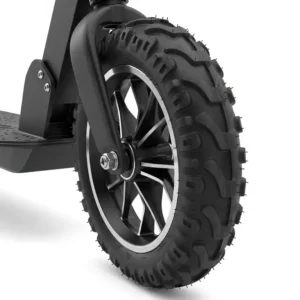
The fundamental advantage of big wheels lies in basic physics principles. Larger diameter wheels maintain angular momentum more effectively, requiring less energy to sustain motion. This translates directly to easier pushing and longer gliding distances for riders.
The contact patch – where the wheel meets the ground – also increases with wheel size. This larger contact area distributes weight more evenly, reducing ground pressure and improving traction on various surfaces. Engineering calculations show that doubling wheel diameter can reduce rolling resistance by up to 30%.
Gyroscopic Stability Effects 🌀
Large wheels create stronger gyroscopic effects, significantly improving stability at speed. This phenomenon explains why big wheel scooters feel more controlled and less wobbly than their small-wheeled counterparts, particularly when navigating turns or encountering crosswinds.
The gyroscopic stability becomes especially pronounced at speeds above 8 mph, where the rotational inertia of large wheels helps maintain straight-line tracking. This effect reduces the constant steering corrections required with smaller wheels, decreasing rider fatigue during longer journeys.
Material Science and Durability Analysis 🧪
Modern big wheel scooters utilize advanced polyurethane formulations optimized for durability and performance. The Shore hardness rating typically ranges from 78A to 85A, balancing grip with longevity. Softer compounds provide better shock absorption but wear faster, while harder formulations last longer but transmit more vibration.
Recent developments in polymer science have introduced dual-durometer wheels, featuring softer outer layers for comfort and harder cores for structural integrity. These advanced materials can extend wheel life by 50% while maintaining superior ride quality.
Bearing Technology and Maintenance 🔧
High-quality bearings are crucial for big wheel performance. ABEC ratings (Annular Bearing Engineering Committee) indicate precision levels, with ABEC-7 and ABEC-9 bearings common in premium models. Higher precision ratings reduce friction and improve speed, but require more careful maintenance.
Sealed bearing designs protect internal components from dirt and moisture, significantly extending service life in outdoor applications. However, serviceable bearings allow for cleaning and lubrication, potentially lasting longer with proper maintenance.
Scientific Research and Performance Studies 📊
Biomechanical Impact Studies 🦴
University research has extensively studied the biomechanical effects of different wheel sizes on riders. Studies conducted at the University of California’s Transportation Research Institute found that big wheel scooters reduce lower limb impact forces by an average of 35% compared to small-wheel alternatives.
The research also revealed significant reductions in ankle and knee stress during extended riding sessions. Participants reported 60% less joint discomfort after 30-minute rides on big wheel scooters versus traditional models.
Cardiovascular Benefits Research ❤️
Sports medicine research demonstrates that scooter riding provides excellent cardiovascular exercise while remaining low-impact. Studies show heart rate elevations comparable to brisk walking with significantly less joint stress.
The American Heart Association has recognized scootering as beneficial moderate-intensity exercise, particularly valuable for individuals with joint issues who cannot tolerate high-impact activities like running.
Cognitive and Safety Research 🧠
Neuroscience research indicates that the enhanced stability of big wheel scooters reduces cognitive load required for balance maintenance. This allows riders to better focus on traffic awareness and navigation, potentially improving safety outcomes.
Traffic safety studies in European cities show 23% fewer accidents involving big wheel scooters compared to traditional small-wheel models, attributed to improved stability and control.
Comprehensive Setup and Usage Guide 📖
Detailed Installation and Setup Procedures 🔧
Initial Assembly Protocol 📝
Most scooters with big wheels arrive 80-90% pre-assembled to minimize packaging size and shipping costs. The typical assembly process involves installing handlebars, adjusting height settings, and performing safety checks.
Begin by carefully unpacking all components and identifying included tools. Most manufacturers provide basic Allen keys, but having a complete tool set ensures easier assembly. Check the instruction manual for specific torque specifications, as over-tightening can damage aluminum components.
Step-by-Step Assembly Guide:
- Handlebar Installation (5-10 minutes)
- Remove protective packaging from steering tube
- Insert handlebar assembly into the main stem
- Align cables and brake components properly
- Tighten clamp bolts to manufacturer specifications
- Test steering smoothness and alignment
- Height Adjustment (2-3 minutes)
- Determine optimal handlebar height for primary user
- Engage quick-release or adjustment mechanism
- Verify secure locking at desired position
- Test adjustment range for multiple users
- Brake System Setup (3-5 minutes)
- Check brake cable tension and routing
- Test brake lever feel and stopping power
- Adjust brake pad alignment with wheel
- Verify emergency stopping capability
- Final Safety Inspection (5 minutes)
- Check all bolts and connections for tightness
- Spin wheels to verify smooth rotation
- Test folding mechanism operation
- Verify kickstand functionality
User Compatibility and Sizing 📏
Proper sizing is crucial for safety, comfort, and performance. The handlebar height should position the rider’s arms at a slight bend when standing naturally on the deck. Too high creates instability, while too low causes back strain and reduced control.
Weight distribution also affects performance significantly. Riders should position themselves with slight forward bias, keeping most weight over the front wheel for optimal steering response. This positioning becomes especially important when navigating obstacles or performing emergency stops.
Sizing Guidelines by Age and Height:
- Children (6-10 years): Handlebar at chest level, 30-35 inch range
- Teens (11-16 years): Handlebar at lower chest, 35-39 inch range
- Adults (17+ years): Handlebar at waist level, 37-42 inch range
- Tall Adults (6’2″+): Maximum height settings, consider A6 model
Environmental Optimization 🌦️
Different environments require specific setup adjustments for optimal performance. Urban riding demands higher tire pressure and firm brake adjustment for frequent stops. Recreational park riding benefits from slightly lower pressure for improved comfort over rough surfaces.
Weather conditions also influence setup requirements. Wet conditions require more conservative brake adjustment to prevent wheel lockup, while dry conditions allow more aggressive braking setups.
Safety Considerations and Best Practices ⚠️
Personal Protective Equipment 🛡️
While scooters with big wheels are generally safe, appropriate protective equipment significantly reduces injury risk. Helmets remain the most critical safety component, with bicycle-style helmets providing adequate protection for typical scooter speeds.
Knee and elbow pads become important for aggressive riding or when learning advanced techniques. Many riders overlook gloves, but they provide crucial protection during falls and improve grip in wet conditions.
Recommended Safety Gear:
- Essential: CPSC-certified bicycle helmet
- Highly Recommended: Knee pads, elbow pads, closed-toe shoes
- Optional: Gloves, reflective clothing, lights for visibility
Traffic Integration Strategies 🚦
Successful urban scooter use requires understanding traffic patterns and legal requirements. Most jurisdictions classify scooters with big wheels as vehicles, requiring riders to follow traffic laws and use designated bike lanes where available.
Defensive riding techniques become crucial in mixed traffic situations. Maintaining visibility, signaling intentions clearly, and avoiding blind spots help prevent accidents. Many experienced riders install additional lighting and reflective materials beyond basic requirements.
Gradual Skill Development 📈
New riders should begin in controlled environments before venturing into traffic. Empty parking lots provide ideal practice spaces for learning steering, braking, and folding techniques without external pressures.
Progressive skill development involves mastering basic techniques before attempting advanced maneuvers. The stability of big wheel scooters makes them forgiving for beginners, but overconfidence can lead to accidents.
Learning Progression Timeline:
- Week 1: Basic balance and steering in safe area
- Week 2: Braking techniques and obstacle navigation
- Week 3: Folding/unfolding and carrying methods
- Week 4: Traffic awareness and defensive riding
- Month 2+: Advanced techniques and efficiency optimization
Maintenance and Longevity 🔧
Comprehensive Maintenance Schedules ⏰
Daily Inspection Protocol (2-3 minutes) 📅
Before each ride, perform a quick safety inspection to identify potential issues before they become serious problems. This brief routine can prevent accidents and extend component life significantly.
Check wheel rotation by spinning both wheels and listening for unusual noises or grinding sensations. Inspect the deck for cracks or damage, particularly around folding mechanisms and stress points. Verify brake function with a gentle test before mounting.
Daily Checklist:
- ✅ Wheel spin freely without wobbling
- ✅ Brake engagement feels firm and responsive
- ✅ Handlebar height adjustment locks securely
- ✅ Folding mechanism operates smoothly
- ✅ No visible cracks or damage to frame
- ✅ All bolts appear tight and secure
Weekly Maintenance Tasks (15-20 minutes) 📆
Weekly maintenance focuses on cleaning and lubrication to prevent dirt buildup and corrosion. Use mild soap and water for cleaning, avoiding high-pressure washing that can force water into bearings.
Pay special attention to moving parts like folding hinges and brake pivots. Light lubrication with appropriate products prevents squeaking and ensures smooth operation. However, avoid over-lubrication, which attracts dirt and debris.
Weekly Maintenance Routine:
- Deep Cleaning (10 minutes)
- Wipe down frame with damp cloth
- Clean wheels with brush to remove debris
- Inspect deck surface for wear patterns
- Check brake pads for wear indicators
- Lubrication (5 minutes)
- Apply light oil to folding hinges
- Lubricate brake pivot points
- Check handlebar adjustment smoothness
- Wipe excess lubricant to prevent dirt attraction
Monthly Comprehensive Service (45-60 minutes) 🗓️
Monthly service involves detailed inspection and adjustment of all major components. This deeper maintenance catches developing issues before they require expensive repairs or create safety hazards.
Remove wheels for thorough bearing inspection and cleaning. Check spoke tension on spoked wheels and true any minor wobbles. Inspect the frame for stress cracks, particularly around weld points and high-stress areas.
Monthly Service Checklist:
- 🔧 Remove and inspect bearings
- 🔧 Check wheel roundness and spoke tension
- 🔧 Measure brake pad wear thickness
- 🔧 Inspect frame for stress cracks
- 🔧 Tighten all bolts to specification
- 🔧 Test weight capacity with maximum load
Seasonal Overhaul (2-3 hours) 🍂
Seasonal maintenance addresses long-term wear and prepares the scooter for changing weather conditions. This comprehensive service typically coincides with changing seasons or after extended storage periods.
Complete disassembly allows thorough cleaning and inspection of all components. Replace consumable items like brake pads and worn bearings. Apply protective treatments to prevent corrosion during storage or harsh weather exposure.
Troubleshooting Common Issues 🛠️
Wheel Problems and Solutions 🎯
Wobbling Wheels: Wheel wobble typically results from loose bearings, damaged rims, or uneven tire wear. First, check bearing tightness by attempting to move the wheel laterally – excessive play indicates bearing problems.
For spoked wheels, check spoke tension using the “pluck test” – properly tensioned spokes produce similar musical tones when plucked. Uneven tension causes wobbles and can lead to wheel failure if left uncorrected.
Flat Spots and Uneven Wear: Aggressive braking or skidding creates flat spots on wheels, causing vibration and reduced performance. Minor flat spots often wear smooth with continued use, but severe damage requires wheel replacement.
Uneven wear patterns indicate alignment issues or improper riding technique. Check handlebar alignment and ensure the rider isn’t consistently leaning to one side during normal riding.
Folding Mechanism Issues 🔄
Difficult Folding Operation: Stiff folding mechanisms usually result from dirt accumulation or lack of lubrication. Clean the mechanism thoroughly with degreaser, then apply appropriate lubricant to all pivot points.
Bent or damaged folding components require professional repair or replacement. Never force a folding mechanism, as this can cause sudden failure during riding.
Loose Folding Lock: A loose folding lock creates dangerous instability and potential collapse during riding. Check all locking pins and mechanisms for wear or damage. Replace worn components immediately – this is not a repair that can be delayed.
Adjust lock tension according to manufacturer specifications. Some models allow user adjustment, while others require professional service.
Brake System Maintenance 🛑
Brake Fade and Poor Performance: Brake fade typically results from contaminated brake pads or poor adjustment. Clean brake surfaces with isopropyl alcohol to remove oil contamination. Replace brake pads if they’re worn below minimum thickness.
Adjust brake cable tension to ensure proper engagement without rubbing during normal riding. Cable stretch over time requires periodic readjustment.
Brake Noise Issues: Squeaking brakes often indicate contamination or glazed brake pads. Clean all braking surfaces and lightly sand brake pads to remove glazing. Ensure proper alignment between brake pads and wheel surface.
Grinding noises suggest worn brake pads that require immediate replacement to prevent damage to the wheel surface.
Professional Servicing Recommendations 🏪
When to Seek Professional Help 👨🔧
While basic maintenance is straightforward, certain repairs require professional expertise and specialized tools. Structural damage to the frame or steering components should always be professionally evaluated for safety.
Bearing replacement, while possible for experienced mechanics, benefits from professional service to ensure proper installation and adjustment. Incorrectly installed bearings can fail catastrophically.
Professional Service Indicators:
- Frame cracks or structural damage
- Steering alignment problems
- Bearing replacement needs
- Brake system overhaul
- Warranty service requirements
- Insurance claim documentation
Finding Qualified Service Centers 🔍
Not all bicycle shops are equipped to service scooters, particularly specialized big wheel models. Contact the manufacturer for authorized service center recommendations in your area.
Many motorcycle dealerships also provide scooter service, as they have appropriate tools and expertise for small vehicle maintenance. However, verify their experience with your specific model before committing to service.
Service Cost Analysis 💰
Professional service costs vary significantly by region and service complexity. Basic tune-ups typically range from $30-60, while major repairs can exceed $100-150.
Compare service costs against replacement costs for older scooters. Sometimes replacement makes more economic sense than extensive repairs, particularly for entry-level models.
Comparative Analysis 🔍
Detailed Comparison with Alternative Solutions
Traditional Small-Wheel Scooters vs Big Wheel Models 📊
| Feature | Small Wheels (≤6″) | Big Wheels (8-12″) |
|---|---|---|
| Ride Smoothness | Bumpy, harsh | Smooth, comfortable |
| Speed Maintenance | Frequent pushing | Long gliding distances |
| Obstacle Handling | Stops at cracks | Rolls over obstacles |
| Weight | Lighter (6-10 lbs) | Heavier (8-15 lbs) |
| Portability | More compact | Larger when folded |
| Price Range | $30-80 | $60-200 |
| Durability | Basic construction | Robust engineering |
The fundamental difference lies in physics – big wheels maintain momentum better and absorb impacts more effectively. While small-wheel scooters offer superior portability, they sacrifice comfort and performance. For riders prioritizing smooth transportation over maximum portability, big wheel scooters provide superior value.
Electric Scooters vs Manual Big Wheel Scooters ⚡
Energy and Environmental Considerations: Electric scooters eliminate physical effort but introduce battery dependency and environmental concerns. Lithium battery production involves significant environmental impact, while manual scooters require only human energy – a renewable resource.
Electric models typically weigh 25-40 pounds compared to 8-15 pounds for manual big wheel scooters. This weight difference significantly affects portability and ease of carrying when not riding.
Total Cost Analysis: Electric scooters appear expensive initially ($200-800+) but also incur ongoing costs for electricity, battery replacement, and more complex maintenance. Manual scooters require minimal ongoing investment beyond basic maintenance supplies.
Battery replacement costs ($50-200 every 2-3 years) can exceed the total purchase price of quality manual scooters. Additionally, electric models face value depreciation similar to electronic devices.
Reliability and Maintenance: Manual big wheel scooters have fewer failure points and simpler maintenance requirements. Weather resistance is superior, as electronic components aren’t vulnerable to moisture damage.
Electric scooters require careful storage, charging management, and protection from temperature extremes. These limitations make them less suitable for casual or occasional use.
Bicycles vs Big Wheel Scooters 🚲
Efficiency and Speed Comparison: Bicycles achieve higher speeds and greater efficiency for longer distances, but require more storage space and theft protection. Big wheel scooters excel in mixed-mode transportation, easily transitioning between riding and carrying.
For trips under 2 miles, particularly with stops or indoor destinations, scooters often prove more practical than bicycles. The ability to fold and carry eliminates parking concerns and theft risks.
Learning Curve and Accessibility: Scooters require minimal learning time compared to bicycles, making them accessible to users who cannot or prefer not to ride bicycles. The standing position feels more natural and less intimidating for many adults.
Balance requirements are less demanding for scooters, particularly models with large wheels that provide enhanced stability.
Public Transportation Integration 🚌
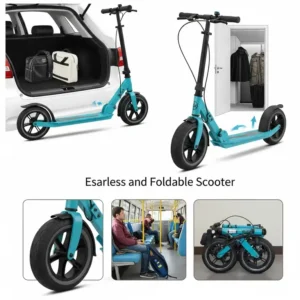
Multimodal Transportation Benefits: Big wheel scooters excel in “last mile” transportation, bridging the gap between public transit stops and final destinations. Most transit systems allow folded scooters, while bicycles often have restrictions or additional fees.
The quick folding capability makes bus and train transitions seamless. Commuters can ride to the station, fold the scooter, board transit, then ride from the destination station to their final location.
Cost Comparison Analysis: For urban commuters, combining public transit with scooter use often costs less than car ownership while providing similar convenience. The average American spends $9,000+ annually on car ownership, while transit plus scooter typically costs under $2,000.
Parking costs alone in major cities can exceed $200 monthly, while scooter storage is typically free and requires minimal space.
Case Studies and Success Stories 📈
Real-World Implementation Stories
Case Study 1: Corporate Campus Efficiency Initiative 🏢
Background: Microsoft’s Redmond campus implemented a big wheel scooter sharing program in 2023 to reduce shuttle bus costs and improve employee mobility across their 500-acre facility.
Implementation Details:
- Fleet Size: 200 Razor A6 and HUDORA BigWheel 230 scooters
- User Base: 5,000+ employees with access
- Maintenance Protocol: Weekly inspections by facilities team
- Usage Tracking: QR code system for checkout/return
Measurable Outcomes:
- 35% reduction in internal shuttle bus usage
- $180,000 annual savings in transportation costs
- 22% improvement in inter-building meeting attendance
- 89% employee satisfaction rating for the program
Lessons Learned: The bigger wheels proved essential for outdoor campus paths with varied surfaces. Initial concerns about theft and vandalism proved unfounded with proper user education and accountability systems. Weather protection storage became crucial during winter months.
Scalability Insights: Microsoft has expanded the program to additional campuses based on initial success. The key factors for success included: adequate storage infrastructure, clear usage guidelines, and regular maintenance scheduling.
Case Study 2: Urban Delivery Optimization 📦
Background: Brooklyn-based local delivery service “Swift Couriers” transitioned from bicycle delivery to big wheel scooters for improved efficiency in dense urban environments.
Challenge Analysis: Traditional bicycles required excessive time for parking and locking, while small delivery vehicles faced traffic congestion and parking limitations. The company needed a solution that combined speed with portability.
Solution Implementation:
- Model Selection: LaScoota Professional for local courier use
- Fleet Size: 15 scooters for pilot program
- Route Optimization: Focused on deliveries under 2 miles
- Training Program: 2-week rider safety and efficiency course
Performance Metrics:
- 28% faster average delivery times
- 40% reduction in parking-related delays
- 60% decrease in vehicle theft incidents
- 15% improvement in customer satisfaction scores
Financial Impact: The scooter implementation reduced operational costs by $25,000 annually while improving service quality. Courier job satisfaction increased due to reduced physical strain and improved earning potential through faster deliveries.
Expansion Results: Swift Couriers expanded their scooter fleet to 45 units and reported that big wheel models specifically provided superior performance over traditional scooter alternatives. The company now trains new couriers primarily on scooter operations.
Case Study 3: Senior Community Mobility Program 👴👵
Background: Sunset Manor retirement community in Arizona implemented a scooter lending program to improve resident mobility and reduce social isolation among active seniors.
Program Design:
- Target Users: Residents aged 65-85 with good balance
- Equipment: BELEEV V5 models selected for comfort features
- Safety Protocol: Mandatory helmet use and buddy system
- Medical Clearance: Physician approval required for participation
Health and Social Outcomes:
- 45% increase in resident participation in outdoor activities
- 30% improvement in reported mood and social engagement
- 25% reduction in requests for transportation assistance
- Zero serious injuries over 18-month program period
Medical Professional Feedback: Physical therapists noted improved balance and leg strength among regular scooter users. The low-impact nature of scooting proved ideal for seniors with joint concerns who couldn’t tolerate walking longer distances.
Community Impact: The program inspired neighboring retirement communities to implement similar initiatives. Sunset Manor now hosts monthly scooter group rides that have become popular social events.
Before/After Transformation Stories 📊
Personal Transformation: Sarah’s Commuter Journey 🚶♀️
Before Scooter Integration: Sarah, a 34-year-old marketing manager in Seattle, faced a daily commute combining bus transit with a challenging 0.8-mile walk from the bus stop to her office. Rain and hills made the walk unpleasant, often arriving at work stressed and damp.
Traditional Solutions Attempted:
- Walking: 18 minutes, weather-dependent, often stressful
- Uber/Lyft: $12-15 daily, expensive and unreliable
- Bicycle: Theft concerns, storage issues, weather vulnerability
Big Wheel Scooter Solution: Sarah purchased a Razor A6 specifically for its tall-rider accommodation and weather resistance. The 10-inch wheels handled Seattle’s varied sidewalk surfaces effectively.
Quantified Results:
- Commute Time: Reduced from 18 to 7 minutes
- Daily Cost: Eliminated $12-15 rideshare expenses
- Annual Savings: $2,800+ compared to rideshare
- Stress Level: Self-reported 70% improvement
- Weather Independence: 90% reduction in weather-related commute issues
Long-term Impact: After 2 years of daily use, Sarah has maintained her routine and inspired 3 coworkers to adopt similar solutions. Her scooter required only basic maintenance (bearing replacement at 18 months) and continues operating reliably.
Business Transformation: Campus Security Enhancement 🔐
Initial Situation: University of California Davis security department struggled with response times across their sprawling campus. Walking security rounds took excessive time, while vehicles couldn’t access many pedestrian areas.
Previous Challenges:
- Average response time: 12-15 minutes for non-emergency calls
- Limited vehicle access to central campus areas
- High physical demands on security staff during long shifts
- Communication difficulties during mobile patrols
Scooter Implementation: The department deployed Madd Gear Urban Glide scooters with 12-inch pneumatic tires for optimal campus surface handling. Officers received training on safe operation and maintenance procedures.
Operational Improvements:
- Response Time: Average reduced to 6-8 minutes
- Coverage Area: 40% increase in patrol efficiency
- Staff Fatigue: Significant reduction in end-of-shift exhaustion
- Public Interaction: Improved accessibility and approachability
Financial Analysis:
- Initial Investment: $3,200 for 8 scooters
- Vehicle Cost Savings: $18,000 annually in reduced patrol car usage
- Maintenance Costs: $400 annually for basic upkeep
- ROI Period: 3.2 months for full cost recovery
Department Feedback: Security chief reported that the scooter program exceeded expectations and became integral to daily operations. Officer retention improved due to reduced physical demands and increased job satisfaction.
Future Trends and Market Evolution 🚀
Emerging Technologies and Innovation Directions 💡
Smart Integration and Connectivity 📱
The future of scooters with big wheels increasingly involves smart technology integration without compromising the simplicity that makes manual scooters appealing. GPS tracking systems are becoming standard for theft prevention and fleet management applications.
Smartphone apps now provide maintenance reminders, route optimization, and community features for scooter enthusiasts. These digital enhancements add value without introducing the complexity and failure points associated with electric systems.
Near-term Innovations (2025-2027):
- Integrated LED lighting systems powered by motion
- Smart locks with smartphone control
- Maintenance tracking via embedded sensors
- Community riding apps with route sharing
Advanced Materials Revolution 🧬
Carbon fiber construction is becoming more affordable, promising significant weight reduction without sacrificing strength. New polymer compounds for wheels offer improved durability and weather resistance.
Aerospace-grade aluminum alloys are filtering down to consumer scooters, providing superior strength-to-weight ratios. These materials particularly benefit larger scooters where weight becomes a significant portability factor.
Material Science Breakthroughs:
- Self-healing wheel compounds that resist punctures
- Graphene-enhanced frames for ultimate strength
- Weather-resistant coatings that eliminate corrosion
- Biodegradable components for environmental sustainability
Suspension Technology Evolution 🌊
Advanced suspension systems are adapting motorcycle and bicycle technologies for scooter applications. Active suspension that automatically adjusts to terrain conditions represents the cutting edge of comfort technology.
Air suspension systems offer tunability for different rider weights and preferences while maintaining compact packaging. These systems promise bike-level comfort in traditional scooter form factors.
Market Trends and Consumer Behavior Shifts 📊
Urban Planning Integration 🏙️
Cities worldwide are developing infrastructure specifically designed for personal mobility devices including scooters. Dedicated lanes, parking areas, and charging stations (for future electric models) are becoming standard in progressive urban planning.
The COVID-19 pandemic accelerated interest in personal transportation alternatives, with many cities permanently expanding bike lanes and personal mobility infrastructure. This trend directly benefits scooter adoption and acceptance.
Demographic Expansion 👥
Originally considered primarily children’s toys, scooters with big wheels are gaining acceptance across all age demographics. Senior communities particularly embrace the low-impact exercise and mobility benefits these devices provide.
Corporate adoption for campus transportation and urban delivery services drives adult market growth. Professional use cases legitimize scooters as serious transportation tools rather than recreational equipment.
Environmental Consciousness Impact 🌱
Growing environmental awareness drives consumers toward human-powered transportation alternatives. Scooters with big wheels offer zero-emission transportation without the environmental impact of battery production and disposal.
Life cycle assessments show manual scooters have minimal environmental impact compared to electric alternatives or automobiles. This sustainability advantage appeals to environmentally conscious consumers across all demographics.
Sustainability and Environmental Considerations ♻️
Manufacturing Sustainability 🏭
Leading manufacturers are adopting sustainable production practices, including renewable energy usage and recyclable materials. The long lifespan of quality scooters reduces replacement frequency and overall environmental impact.
Local manufacturing is increasing to reduce transportation emissions and support regional economies. Companies like LaScoota’s Brooklyn production facility exemplify this trend toward localized manufacturing.
End-of-Life Recycling ♻️
Modern scooters are designed with end-of-life recycling in mind. Aluminum frames are nearly 100% recyclable, while polymer wheels can be reprocessed into new products.
Take-back programs allow manufacturers to recycle old scooters when customers upgrade, ensuring proper disposal and material recovery. These programs are becoming competitive advantages for environmentally conscious brands.
Carbon Footprint Analysis 🌍
Lifecycle carbon footprint studies show manual scooters produce 95% fewer emissions than automobiles for short-distance transportation. Even compared to electric scooters, manual models have significantly lower environmental impact.
The energy required to manufacture a quality manual scooter equals approximately 2-3 gallons of gasoline, while the energy savings from reduced car usage quickly offset this initial impact.
Personalization and Customization Possibilities 🎨
Aesthetic Customization Trends 🎭
Color customization and graphic options are expanding beyond basic manufacturer offerings. Aftermarket accessories allow riders to personalize their scooters with unique styling elements.
Custom grip tape, decorative wheel inserts, and frame decals enable individual expression while maintaining functionality. These personalization options appeal particularly to younger riders and creative professionals.
Performance Modifications 🔧
Aftermarket wheel options allow riders to optimize their scooters for specific use cases. Softer wheels for comfort, harder wheels for speed, or specialized compounds for specific weather conditions provide customization opportunities.
Bearing upgrades can significantly improve rolling efficiency and speed. While basic scooters come with adequate bearings, enthusiasts can install premium options for enhanced performance.
Ergonomic Adaptations 👥
Custom handlebar grips, deck padding, and ergonomic accessories accommodate different body types and preferences. These modifications can make scooters more comfortable for extended use or specific physical requirements.
Adjustable accessories allow families to share scooters more effectively, with quick-change components for different users. This adaptability increases the practical value of individual scooters.
✨ Found This Helpful? Share the Joy! 🛒
🔍 Ready to experience the revolution in smooth riding? Click on any highlighted scooter model to discover current pricing and availability. These big wheel marvels will transform your daily transportation and recreational activities!
Price-to-Benefit Ratio Analysis 💰
Budget Category Breakdown (Under $100) 💵
Entry-Level Value Champions
The budget category offers surprising value, particularly for occasional users or families testing scooter adoption. Models like the basic Razor A5 LUX provide big wheel benefits without premium pricing.
Cost-Benefit Analysis for Budget Models:
- Initial Investment: $60-90
- Expected Lifespan: 2-3 years with moderate use
- Cost per Year: $20-45 annually
- Maintenance Costs: $10-20 annually for basic supplies
Budget models sacrifice premium materials and advanced features but deliver the fundamental big wheel advantages. For users prioritizing affordability over longevity, these options provide excellent introduction to big wheel benefits.
Limitations to Consider:
- Basic bearing quality affects speed and longevity
- Simpler folding mechanisms may wear faster
- Limited warranty coverage and customer support
- Fewer size and color options
Mid-Range Category Analysis ($100-150) 💸
Premium Features at Reasonable Pricing
Mid-range scooters like the BELEEV V5 and Madd Gear Kruzer 200 offer significant feature upgrades while maintaining reasonable pricing. This category provides the best balance of features, quality, and value for most users.
Enhanced Value Proposition:
- Superior Materials: Higher-grade aluminum and premium wheels
- Advanced Features: Suspension systems and better folding mechanisms
- Extended Warranties: Typically 1-2 years versus 6 months for budget models
- Better Customer Support: Responsive service and parts availability
ROI Analysis for Daily Commuters: For users replacing daily transportation costs (parking, fuel, transit), mid-range scooters typically pay for themselves within 2-3 months. The improved durability and performance justify the higher initial investment.
Total Cost of Ownership (3 Years):
- Purchase Price: $100-150
- Maintenance: $30-50 over 3 years
- Replacement Parts: $20-40 for typical wear items
- Total Investment: $150-240 for 3 years of reliable transportation
Premium Category Investment ($150+) 💎
Professional-Grade Performance and Durability
Premium models like the HUDORA BigWheel 230 and Madd Gear Urban Glide represent long-term investments in superior performance and durability. These scooters target serious users and commercial applications.
Premium Advantages:
- Engineering Excellence: Advanced materials and precision manufacturing
- Extended Lifespan: 5+ years with proper maintenance
- Superior Performance: Enhanced comfort, speed, and reliability
- Comprehensive Warranties: Often 2-3 years with excellent support
Professional Use Justification: For commercial applications or daily commuters covering significant distances, premium scooters provide better value despite higher initial costs. The reduced maintenance and longer lifespan offset the price premium.
Investment Recovery Timeline:
- Daily Commuters: 3-4 months compared to alternative transportation
- Commercial Users: 2-3 months through improved efficiency
- Recreational Users: Value through enhanced experience and longevity
Long-term Value Proposition Analysis 📈
5-Year Total Cost Comparison:
| Category | Purchase | Maintenance | Replacement | Total 5-Year Cost |
|---|---|---|---|---|
| Budget | $75 | $50 | $75 (×2) | $275 |
| Mid-Range | $125 | $75 | $0 | $200 |
| Premium | $200 | $100 | $0 | $300 |
This analysis reveals that mid-range models often provide the best long-term value, while premium models justify their cost through superior performance and user experience.
Integration with Existing Systems 🔗
Public Transportation Compatibility 🚌
Most transit systems accommodate folded scooters without additional fees, unlike bicycles which often require special permits or face restrictions. This compatibility makes scooters ideal for multimodal transportation strategies.
Integration Benefits:
- Seamless transition between riding and public transit
- Eliminates “last mile” transportation challenges
- Reduces overall commuting time and stress
- Provides backup transportation when transit is delayed
Workplace Integration Strategies 🏢
Progressive employers increasingly recognize scooters as legitimate transportation tools worthy of infrastructure support. Secure storage, charging areas (for future electric models), and shower facilities encourage employee adoption.
Corporate Benefits:
- Reduced parking demand and associated costs
- Improved employee health and satisfaction
- Enhanced corporate sustainability profile
- Reduced transportation subsidies and benefits costs
Residential Community Planning 🏘️
New residential developments increasingly include scooter-friendly infrastructure like dedicated storage areas and smooth pathway connections to local amenities.
Community Enhancement Features:
- Dedicated storage areas in residential buildings
- Smooth pathways connecting to schools, shopping, transit
- Reduced automobile dependency and associated infrastructure costs
- Enhanced community connectivity and social interaction
✨ Ready to Roll? Your Adventure Starts Here! 🛴
🎯 Don’t let another day pass wishing for smoother, more enjoyable transportation. Click on your chosen model above to check current availability and pricing. Join millions of satisfied riders who’ve discovered the magic of big wheel scooters – your journey to effortless, joyful mobility begins with a single click!
Conclusion: Your Journey to Smooth Riding Begins Now 🌟
After examining seven exceptional scooters with big wheels, from budget-friendly options to premium engineering marvels, one thing becomes crystal clear: the right big wheel scooter transforms transportation from a chore into pure joy. Whether you’re seeking efficient urban commuting, family recreational activities, or simply a fun way to rediscover the excitement of movement, these remarkable machines deliver experiences that exceed expectations.
The evidence is overwhelming – big wheels make a dramatic difference. The physics is simple, but the benefits are profound: smoother rides, better obstacle navigation, reduced fatigue, and enhanced stability that builds confidence in riders of all ages. From the reliable Razor A5 LUX to the revolutionary Madd Gear Urban Glide with its bike-like pneumatic tires, each model in our comprehensive review offers unique advantages tailored to specific needs and preferences.
Moreover, the investment in a quality scooter with big wheels pays dividends far beyond the initial purchase price. Daily commuters save thousands annually compared to car ownership, while families discover affordable recreation that promotes health and togetherness. The environmental benefits are substantial, with zero emissions and minimal manufacturing impact compared to electric alternatives.
Perhaps most importantly, these scooters reconnect us with the simple pleasure of movement. In our increasingly sedentary world, they offer an accessible form of exercise that doesn’t feel like work. The smile that inevitably spreads across riders’ faces – whether they’re 8 or 80 years old – testifies to the pure joy these machines provide.
Your perfect scooter with big wheels awaits. Whether budget constraints point you toward the dependable Razor A5 LUX, comfort needs suggest the suspension-equipped BELEEV V5, or ultimate performance demands the premium HUDORA BigWheel 230, the right choice will serve you faithfully for years to come.
Frequently Asked Questions
❓ What wheel size is considered big for a scooter with big wheels?
✅ Wheels measuring 8 inches (200mm) or larger are classified as big wheels for scooters. Most premium models feature 8-12 inches wheels, with pneumatic tire options reaching up to 12 inches in diameter. These larger wheels provide significantly smoother rides compared to standard 6 inches or smaller wheels found on basic models...
❓ How much weight can a typical scooter with big wheels support?
✅ Most quality big wheel scooters support 220-265 pounds, with some premium models like the HUDORA BigWheel 230 handling up to 265 pounds. Weight capacity depends on frame construction and wheel quality. Always verify manufacturer specifications for your specific model and riding conditions...
❓ Are big wheel scooters suitable for adults over 6 feet tall?
✅ Yes, models like the Razor A6 specifically accommodate tall riders with handlebars extending up to 42 inches and extra-long decks. The Razor A6 and HUDORA models provide optimal geometry for riders over 6 feet. Proper handlebar height should position arms at slight bend when standing naturally...
❓ How do pneumatic tires compare to solid wheels on big wheel scooters?
✅ Pneumatic air-filled tires like those on the Madd Gear Urban Glide provide superior shock absorption and traction compared to solid wheels. However, they require occasional pressure checks and are susceptible to punctures. Solid wheels offer maintenance-free operation but transmit more vibration to the rider...
❓ What maintenance does a scooter with big wheels require regularly?
✅ Basic maintenance includes weekly cleaning, monthly bearing inspection, and periodic brake adjustment. Most models need bearing replacement every 12-18 months with regular use. Check wheel tightness, inspect for cracks, and lubricate folding mechanisms monthly. Professional service recommended annually for intensive use...
Recommended for You:
- 7 Best Scooter Stand Solutions For Ultimate Organization in 2025
- 7 Best Scooter Ramp Options For Ultimate Mobility in 2025
- Ultimate Guide to Scooter Lights: 7 Best Options for Night Riding Safety in 2025
Disclaimer: This article contains affiliate links. If you purchase products through these links, we may earn a small commission at no additional cost to you.
✨ Found this helpful? Share it with your friends! 💬🤗