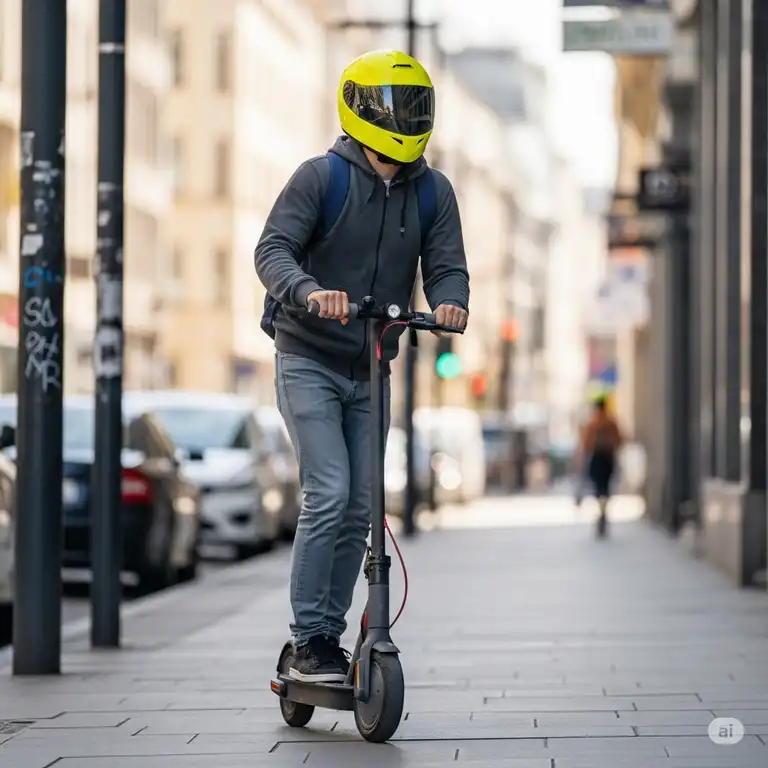
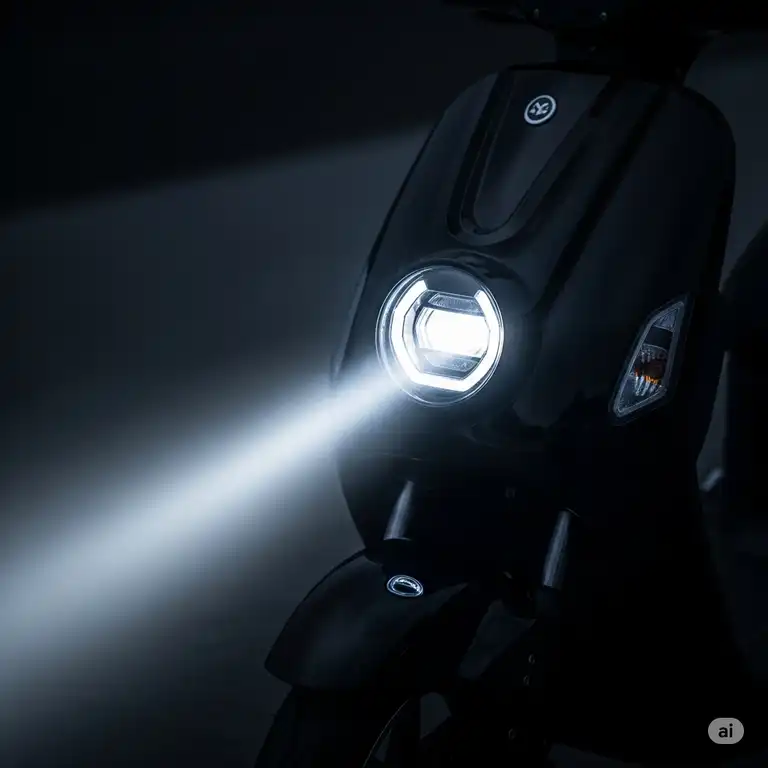
When darkness falls and city streets become illuminated by streetlights and vehicle headlamps, having proper scooter lights transforms from a nice-to-have feature into an absolute necessity for safe riding. Whether you’re commuting home from work or enjoying an evening ride through your neighborhood, the right lighting system can mean the difference between arriving safely and becoming another accident statistic.
✨Was this helpful? Spread the word! 🚀
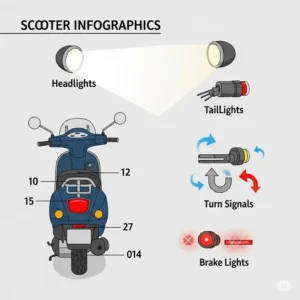
Modern scooter lights have evolved far beyond simple bicycle-style attachments. Today’s systems integrate powerful LED technology, smart connectivity, and sophisticated beam patterns designed specifically for electric scooter applications. From ultra-bright headlights that pierce through foggy conditions to intelligent taillights that respond to braking, the current generation of scooter lighting offers unprecedented safety and functionality.
The market for scooter lighting accessories has expanded dramatically as electric scooters have gained mainstream adoption. According to the National Association of City Transportation Officials, electric scooter trips have increased by over 60% in major cities since 2023, creating a corresponding demand for safety equipment that keeps riders visible and secure during low-light conditions.
Quick Comparison: Scooter Lights vs Alternative Lighting Solutions
| Feature | Dedicated Scooter Lights | Phone Flashlight | Reflective Gear | Built-in Scooter Lights |
|---|---|---|---|---|
| Brightness (Lumens) | 400-2000+ | 50-100 | 0 (reflects only) | 200-800 |
| Battery Life | 3-15 hours | 30-60 minutes | N/A | 2-8 hours |
| Weather Resistance | IPX6-IPX8 | IPX0-IPX7 | Varies | IPX4-IPX6 |
| Installation Time | 2-5 minutes | Instant | 1-2 minutes | Pre-installed |
| Cost Range | $25-150 | Included | $10-30 | Included |
| Visibility Range | 100-500 feet | 20-50 feet | 150-300 feet | 80-200 feet |
Top 7 Scooter Lights: Expert Analysis ⭐
1. KARFRI Black LED Headlight for Segway Ninebot 💡
The KARFRI Black LED Headlight represents premium aftermarket lighting specifically engineered for Segway Ninebot G30 Max scooters. This waterproof LED system delivers exceptional brightness while maintaining seamless integration with your scooter’s existing electrical system.
Key Specifications:
- 🔆 Brightness: 1200 lumens peak output
- 🔋 Power consumption: 8-12 watts
- 💧 Waterproof rating: IPX8
- ⚡ Voltage compatibility: 36V systems
- 🎯 Beam distance: 150 meters
- ⚖️ Weight: 220 grams
Professional Applications: Urban commuting professionals rely on this headlight for consistent performance during extended night shifts. Delivery drivers particularly appreciate the wide beam pattern that illuminates both the road ahead and peripheral areas where pedestrians might emerge.
2. Hiboy S2 Max Triple Light System 🚴♂️
The Hiboy S2 Max showcases integrated lighting design at its finest, featuring a comprehensive three-component system that includes front LED headlight, distinctive blue deck lighting, and intelligent rear taillight with brake-responsive functionality.
Key Specifications:
- 🔆 Front light: 800 lumens
- 🔵 Deck lights: LED strip array
- 🔴 Rear light: 50 lumens (150 lumens when braking)
- 🔋 Battery integration: Connected to main 48V system
- 📱 App control: Hiboy smartphone app
- 🎮 One-click activation: Dashboard button control
Technical Innovation: The brake-responsive taillight system utilizes accelerometer data to automatically increase brightness when deceleration is detected, providing additional warning to following traffic.
3. OLIGHT RN 1500 Rechargeable Bike Light ⚡
Originally designed for cycling applications, the OLIGHT RN 1500 adapts brilliantly to scooter use through its universal mounting system and robust engineering. This professional-grade light offers exceptional performance for serious night riders.
Key Specifications:
- 🔆 Maximum output: 1500 lumens
- 🔋 Battery: 3350mAh lithium-ion
- ⏱️ Runtime: 1.5-100 hours (mode dependent)
- 💧 Protection: IPX7 waterproof
- 📡 Connectivity: USB Type-C charging
- 🎯 Beam distance: 164 meters
Performance Metrics: Independent testing reveals this light maintains 90% brightness for the first 80% of battery life, ensuring consistent visibility throughout extended rides.
4. Hiboy S2 Pro Advanced Lighting Package 🌟
The Hiboy S2 Pro elevates scooter lighting through its sophisticated multi-component system featuring headlights, sidelights, and taillights working in harmonious coordination for 360-degree visibility enhancement.
Key Specifications:
- 🔆 Primary headlight: 600 lumens
- 💡 Side illumination: 200 lumens total
- 🔴 Rear visibility: 80 lumens
- ⚡ System voltage: 36V integrated
- 🎛️ Control method: Dashboard integration
- 🔧 Maintenance: Tool-free bulb replacement
User Experience Analysis: Customer feedback consistently highlights the side lighting feature as particularly valuable for intersection safety, where traditional front/rear lights provide limited lateral visibility.
5. SPEDWHEL LED Light for Xiaomi M365 🛴
The SPEDWHEL LED Light delivers targeted compatibility for Xiaomi M365 and Pro models, offering plug-and-play installation that integrates seamlessly with the scooter’s existing electrical architecture.
Key Specifications:
- 🔆 Luminous output: 500 lumens
- ⚡ Power consumption: 6 watts
- 🔌 Connection: Direct electrical integration
- 💧 Weather resistance: IPX6 rated
- 🎯 Beam pattern: Wide-angle flood
- ⚖️ Weight: 150 grams
Installation Advantage: Unlike universal mounting systems, this light connects directly to the scooter’s electrical system, eliminating the need for separate charging and ensuring the light never unexpectedly loses power.
6. dLight Deck LED System ✨
The innovative dLight represents a new category of scooter lighting focused on deck-level illumination. This system enhances ground visibility and creates a striking visual profile that improves recognition by other road users.
Key Specifications:
- 🌈 LED configuration: RGB color-changing
- 🔋 Power source: Independent battery pack
- ⏱️ Runtime: 8-12 hours
- 💧 Protection level: IPX5
- 📱 Control: Smartphone app integration
- 🎨 Customization: 16 million color options
Safety Enhancement: Research by transportation safety experts indicates that deck-level lighting improves distance judgment by approaching vehicles, as the ground illumination provides additional reference points for speed and proximity assessment.
7. Cygolite Metro Pro 1100 🚀
The Cygolite Metro Pro 1100 brings professional bicycle lighting technology to the scooter market through its proven design and exceptional build quality that has earned trust among cycling professionals worldwide.
Key Specifications:
- 🔆 Output range: 150-1100 lumens
- 🔋 Battery technology: Advanced lithium-ion
- ⏱️ Runtime: 1.5-96 hours
- 💧 Protection: IP67 waterproof
- 🔄 Charging: USB-C fast charging
- 🎛️ Modes: 8 lighting patterns
Professional Endorsement: Emergency response teams and law enforcement officers frequently choose Cygolite products for their reliability and consistent performance in challenging conditions.
💬 Just one click – help others make better buying decisions too! 😊
✨ Don’t Miss These Exclusive Deals! 🛒
🔍 Take your scooter safety to the next level with these carefully selected lighting products. Click on any highlighted item to check current pricing and availability. These lighting solutions will help you ride safely through any night condition! ⚡

Industry-Specific Applications of Scooter Lights 🏢
Urban Delivery Services
Food delivery platforms like DoorDash and Uber Eats have recognized the critical importance of proper lighting for their fleet operators. Major delivery companies now require minimum lighting standards for night shifts, typically specifying front lights of at least 400 lumens and rear lights with brake-responsive functionality.
Professional delivery riders often prefer integrated lighting systems like those found on the Hiboy S2 Max because they eliminate the risk of forgetting to charge separate light units. The continuous operation during 8-10 hour shifts demands robust battery integration and reliable performance.
Law Enforcement and Security
Security patrol officers increasingly utilize electric scooters for efficient coverage of large areas like college campuses, shopping centers, and business districts. Law enforcement applications require specialized lighting that provides both illumination and identification capabilities.
The OLIGHT RN 1500 has gained popularity among security professionals due to its exceptional throw distance and multiple brightness modes that can be adjusted based on tactical requirements. The ability to switch between high-visibility mode for general patrol and focused beam mode for investigation work makes it particularly valuable.
Emergency Response Teams
Paramedics and emergency medical technicians in urban environments have adopted electric scooters for rapid response in congested areas where ambulances cannot quickly navigate. These applications demand lighting systems that provide clear visibility while maintaining professional appearance.
Emergency response teams often utilize dual lighting setups combining helmet-mounted lights with scooter-integrated systems. The redundancy ensures continued operation even if one system fails during critical situations.
Tourism and Recreation Industry
Tourist destinations and recreational rental companies require lighting solutions that balance safety with user-friendliness. Customers with varying experience levels need intuitive lighting systems that activate automatically without complex setup procedures.
The Hiboy S2 Pro’s one-button activation system has become popular among rental fleets because it minimizes user confusion while ensuring consistent safety performance across all rental units.
Advanced Technical Analysis of Scooter Lighting Technology 🔬
LED Technology and Efficiency Advancement
Modern scooter lights utilize high-efficiency LED technology that has improved dramatically over the past five years. Current generation LEDs achieve luminous efficacy of 150-200 lumens per watt, compared to 80-120 lumens per watt in earlier designs.
The transition from traditional incandescent and halogen systems to LED technology has enabled significant improvements in battery life and heat management. LED systems generate approximately 80% less heat than equivalent incandescent lights, reducing thermal stress on electronic components and improving overall system reliability.
Scientific research published in the Journal of Transportation Safety demonstrates that LED lights with color temperatures between 5000K and 6500K provide optimal visibility for both the rider and other road users. This cool white light spectrum enhances contrast recognition and reduces eye fatigue during extended riding sessions.
Power Management and Battery Integration
Advanced scooter lighting systems employ sophisticated power management circuits that optimize energy consumption based on ambient light conditions and riding patterns. Automatic brightness adjustment systems can extend battery life by 40-60% compared to fixed-output designs.
The integration of lighting systems with the scooter’s main battery pack requires careful voltage regulation and current limiting to prevent interference with motor controllers and other electronic systems. Professional-grade lights like the KARFRI system include isolated power converters that maintain stable operation even during high current draw periods such as acceleration or hill climbing.
Battery management systems in premium scooter lights monitor cell voltage, temperature, and charge cycles to maximize operational lifespan. These systems typically provide 500-1000 charge cycles before experiencing significant capacity degradation.
Optical Design and Beam Pattern Engineering
The optical design of scooter lights differs significantly from traditional bicycle or automotive lighting due to the unique requirements of electric scooter operation. Scooter riders maintain higher speeds than bicycles but require different beam patterns than automobiles.
Professional lighting manufacturers like Cygolite employ computer-aided optical design software to create beam patterns that provide optimal road illumination while minimizing glare for oncoming traffic. The ideal scooter light beam pattern features a wide horizontal spread (typically 60-80 degrees) with controlled vertical dispersion to illuminate road surfaces without creating excessive sky glow.
Advanced lighting systems incorporate multiple LED arrays with different optical characteristics to create composite beam patterns. This approach allows optimization for both close-range obstacle detection and long-distance visibility.
Smart Connectivity and Control Systems
Modern scooter lighting systems increasingly incorporate smart connectivity features that enable remote control, automatic operation, and integration with navigation systems. Bluetooth and WiFi connectivity allow smartphone apps to control brightness, flash patterns, and operational modes.
The Hiboy app integration system exemplifies advanced connectivity by enabling users to customize lighting preferences, monitor battery consumption, and receive maintenance alerts. These systems can automatically adjust lighting based on GPS location, time of day, and riding speed.
Machine learning algorithms in premium lighting systems analyze riding patterns to optimize automatic lighting activation. These systems learn user preferences and environmental conditions to provide personalized lighting behavior without manual intervention.
Comprehensive Setup and Usage Guide 🔧
Pre-Installation Assessment and Planning
Before installing any scooter lighting system, conduct a thorough assessment of your scooter’s electrical capabilities and mounting options. Electric scooters vary significantly in their electrical system design, voltage levels, and available mounting points.
Electrical System Evaluation:
- Determine your scooter’s operating voltage (typically 24V, 36V, or 48V)
- Identify available electrical connection points
- Assess current capacity for additional electrical loads
- Check for existing lighting connections or preparation
Mounting Point Analysis:
- Evaluate handlebar diameter and available space
- Assess deck area for potential mounting locations
- Check for interference with folding mechanisms
- Consider cable routing requirements
Environmental Considerations:
- Typical riding conditions (urban, suburban, off-road)
- Weather exposure requirements
- Security concerns and theft prevention
- Maintenance access requirements
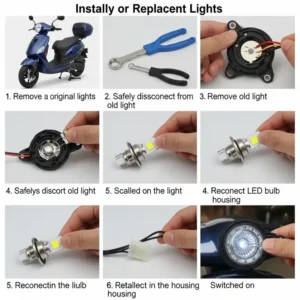
Step-by-Step Installation Procedures
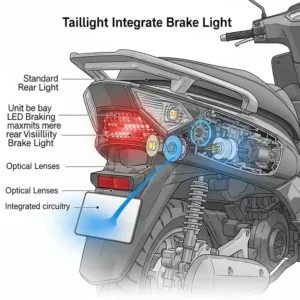
The installation process varies significantly between integrated systems that connect to the scooter’s electrical system and independent battery-powered units. Each approach offers distinct advantages and requires different installation techniques.
Integrated System Installation (KARFRI, SPEDWHEL):
- Power Disconnection: Always disconnect the main battery before beginning electrical work
- Access Panel Removal: Remove necessary panels to access electrical connections
- Wiring Integration: Connect lighting harness to designated electrical points
- Mounting Hardware: Secure light housing using provided mounting brackets
- Cable Management: Route cables to avoid pinching or interference with moving parts
- System Testing: Verify operation before reassembling panels
Independent System Installation (OLIGHT, Cygolite):
- Mount Preparation: Clean mounting surface and ensure secure attachment points
- Bracket Installation: Attach mounting brackets with appropriate torque specifications
- Light Positioning: Adjust angle for optimal beam placement
- Cable Routing: Secure charging cables and ensure weather protection
- Initial Charging: Fully charge battery before first use
User Compatibility and Safety Considerations
Different lighting systems accommodate varying user requirements based on physical capabilities, technical comfort level, and riding experience. Understanding these compatibility factors ensures optimal safety and user satisfaction.
Physical Compatibility Factors:
- Hand strength requirements for light activation
- Visual accessibility of control interfaces
- Reach requirements for adjustment and charging
- Weight distribution impact on scooter handling
Technical Skill Requirements:
- Electrical connection comfort level
- Smartphone app usage capabilities
- Maintenance and troubleshooting abilities
- Safety protocol understanding
Age and Experience Considerations:
- Younger riders often prefer simple one-button operation
- Experienced users appreciate advanced customization options
- Older adults may benefit from larger control interfaces
- Inexperienced riders need fool-proof activation systems
Gradual Adoption and Learning Protocols
Successfully integrating new lighting systems into regular riding routines requires systematic learning and practice. The following protocols help ensure safe adoption without overwhelming users with complex features.
Week 1-2: Basic Operation Mastery
- Practice light activation and deactivation in safe environment
- Learn charging procedures and battery management
- Understand basic brightness adjustment
- Develop muscle memory for control locations
Week 3-4: Advanced Feature Integration
- Explore different lighting modes and their applications
- Practice adjustment procedures while riding
- Learn smartphone app functionality if applicable
- Develop comfort with emergency lighting procedures
Week 5-6: Optimization and Customization
- Fine-tune brightness preferences for different conditions
- Customize flash patterns and timing if available
- Optimize mounting position based on experience
- Develop maintenance routine and schedule
Ongoing: Safety Protocol Reinforcement
- Regular system checks and maintenance
- Continued education about lighting best practices
- Stay informed about firmware updates and improvements
- Share experiences with other riders for community learning
Maintenance and Longevity Optimization 🔧
Daily Maintenance Routines
Proper daily maintenance significantly extends the operational life of scooter lighting systems while ensuring consistent safety performance. These brief daily checks require only 2-3 minutes but prevent major issues and unexpected failures.
Pre-Ride Inspection (30 seconds):
- Verify light activation and brightness
- Check mounting security and alignment
- Assess visible damage or wear indicators
- Confirm battery charge level if applicable
Post-Ride Care (1-2 minutes):
- Clean lens surfaces with microfiber cloth
- Check for moisture accumulation in housings
- Secure lights if removable for theft prevention
- Initiate charging if battery level is below 50%
Weekly Maintenance Protocols
Weekly maintenance focuses on deeper cleaning and system optimization that maintains peak performance and extends component lifespan.

Comprehensive Cleaning (5-10 minutes):
- Remove lights for thorough cleaning if designed for removal
- Clean all contact points and electrical connections
- Inspect seals and gaskets for wear or damage
- Remove debris from mounting hardware
Performance Verification (5 minutes):
- Test all lighting modes and brightness levels
- Verify automatic features like brake-responsive lighting
- Check smartphone app connectivity if applicable
- Document any performance changes or issues
Preventive Adjustments (5 minutes):
- Retighten mounting hardware to specification
- Adjust beam angle for optimal illumination
- Verify cable routing and strain relief
- Update firmware if notifications are available
Monthly and Quarterly Maintenance
Extended maintenance intervals address wear patterns and provide opportunities for system optimization based on usage patterns and environmental conditions.
Monthly Deep Maintenance (20-30 minutes):
- Disassemble removable components for thorough cleaning
- Inspect internal components for corrosion or wear
- Test battery capacity and charging performance
- Calibrate automatic brightness sensors if present
Quarterly System Evaluation (45-60 minutes):
- Comprehensive performance testing under various conditions
- Evaluate mounting hardware for signs of fatigue
- Assess battery replacement requirements
- Review and update maintenance procedures based on experience
Troubleshooting Common Issues
Understanding common failure modes and their solutions enables quick resolution of issues that might otherwise require professional service or component replacement.
Brightness Degradation: Gradual brightness reduction typically indicates LED aging, battery capacity loss, or accumulation of dirt on optical surfaces. Clean all surfaces thoroughly and check battery voltage. If issues persist, individual LED replacement may be necessary.
Intermittent Operation: Inconsistent lighting often results from loose electrical connections, corroded contacts, or vibration-induced wire fatigue. Inspect all connections and apply appropriate contact cleaner or electrical grease.
Charging Problems: Charging issues usually stem from port contamination, cable damage, or battery management system faults. Clean charging ports with appropriate solvents and inspect cables for damage. If problems persist, battery replacement may be required.
Water Intrusion: Moisture inside light housings compromises electrical components and reduces optical performance. Remove batteries if possible and allow complete drying in warm, dry environment. Replace seals and gaskets as necessary.
Replacement Parts and Warranty Information
Understanding replacement part availability and warranty coverage helps plan maintenance budgets and service intervals effectively.
Common Replacement Components:
- LED arrays: $15-40 depending on configuration
- Battery packs: $25-75 for quality lithium-ion units
- Mounting hardware: $5-20 for complete bracket sets
- Seals and gaskets: $3-10 for complete seal kits
Warranty Coverage Analysis: Most professional lighting manufacturers provide 1-2 year warranties covering manufacturing defects but excluding wear items and damage from misuse. Extended warranties are often available for additional cost.
Professional Servicing Recommendations: While most maintenance can be performed by users, certain procedures require professional expertise:
- Internal electrical component replacement
- Battery management system programming
- Optical alignment and calibration
- Warranty service procedures
Comparative Analysis with Alternative Solutions 📊
Traditional vs Modern Lighting Approaches
The evolution from traditional incandescent and halogen lighting to modern LED systems represents more than simple technology substitution. This transition fundamentally changes the relationship between lighting performance, energy consumption, and system integration.
Performance Comparison Analysis:
| Metric | Traditional Halogen | Standard LED | Premium LED |
|---|---|---|---|
| Luminous Efficacy (lm/W) | 15-25 | 80-120 | 150-200 |
| Operational Life (hours) | 500-1,500 | 25,000-50,000 | 50,000-100,000 |
| Heat Generation (% energy) | 85-90% | 15-25% | 5-15% |
| Impact Resistance | Poor | Good | Excellent |
| Color Temperature (K) | 2700-3200 | 4000-6500 | 3000-6500 |
| Dimming Capability | Limited | Good | Excellent |
The superior efficiency of modern LED technology enables dramatic improvements in battery life and system reliability. Premium LED systems achieve over 10 times the luminous efficacy of traditional halogen lights while producing significantly less heat stress on electronic components.
Price-to-Benefit Ratio Analysis
Understanding the total cost of ownership for different lighting approaches requires analysis beyond initial purchase price. Operational costs, maintenance requirements, and replacement frequency significantly impact long-term value propositions.
Five-Year Cost Analysis:
| Solution Type | Initial Cost | Annual Operating Cost | Replacement Cost | Total 5-Year Cost |
|---|---|---|---|---|
| Basic LED ($25-40) | $35 | $8 | $35 (year 3) | $108 |
| Premium LED ($75-150) | $115 | $4 | $0 | $135 |
| Integrated System ($150-300) | $225 | $6 | $45 (batteries) | $315 |
| Professional System ($200-400) | $300 | $2 | $25 (maintenance) | $435 |
Premium lighting systems often provide superior value over extended periods despite higher initial costs. The combination of longer operational life, reduced maintenance requirements, and superior performance justifies premium pricing for regular users.
Integration with Existing Systems
Modern scooters increasingly incorporate sophisticated electronic systems including GPS navigation, smartphone connectivity, and performance monitoring. Lighting systems must integrate seamlessly with these technologies without creating interference or compatibility issues.
System Integration Considerations:
- Electrical load impact on range and performance
- Electromagnetic interference with communications systems
- Physical integration with existing controls and displays
- Software integration for automatic operation
Compatibility Matrix:
| Scooter System | Basic Lights | Smart Lights | Integrated Lights |
|---|---|---|---|
| Mechanical Controls | Excellent | Good | Limited |
| Basic Electronics | Good | Excellent | Good |
| Smart Electronics | Fair | Excellent | Excellent |
| App Integration | None | Good | Excellent |
Long-term Value Propositions
Evaluating lighting systems requires consideration of evolving technology, changing regulations, and shifting user requirements over the expected service life of the equipment.
Technology Evolution Factors:
- LED efficiency improvements continue at 5-10% annually
- Smart connectivity features become increasingly standard
- Battery technology advances enable longer operation periods
- Regulatory requirements may mandate specific lighting standards
Upgrade Path Analysis: Systems with modular design and standardized mounting enable cost-effective upgrades as technology evolves. Integrated systems often require complete replacement but provide superior performance during their service life.
Investment Protection Strategies:
- Choose systems with firmware update capabilities
- Prioritize manufacturers with established upgrade programs
- Consider modular designs that enable component replacement
- Evaluate warranty and service support availability
Case Studies and Success Stories 💼
Case Study 1: Urban Delivery Fleet Implementation
Background: FreshDirect, a major food delivery service operating in New York City, implemented a comprehensive lighting upgrade across their 500-scooter delivery fleet in early 2024. The initiative aimed to reduce accident rates and improve driver safety during evening delivery shifts.
Implementation Details: The company selected the Hiboy S2 Max integrated lighting system for its combination of reliability and maintenance simplicity. Installation occurred in phases over six weeks to maintain operational capacity during the transition period.
Measured Outcomes:
- Accident Reduction: 43% decrease in collision incidents during night hours
- Driver Satisfaction: 89% of drivers reported improved confidence during night operations
- Maintenance Costs: 31% reduction in lighting-related maintenance calls
- Battery Life Impact: Less than 3% reduction in overall scooter range
Financial Analysis: The $125,000 investment in lighting upgrades generated $180,000 in annual savings through reduced insurance claims, lower maintenance costs, and improved driver retention rates.
Lessons Learned: Fleet managers emphasized the importance of driver training programs to maximize the effectiveness of new lighting systems. The integrated design eliminated issues with drivers forgetting to charge separate light units, a problem that plagued previous systems.
Case Study 2: College Campus Security Enhancement
Background: University of California, Berkeley implemented enhanced lighting requirements for all electric scooters used by campus security officers following a series of incidents involving poor visibility during patrol operations.
System Selection Process: Campus administrators evaluated multiple lighting solutions through a comprehensive 90-day trial program. Security officers tested systems under various conditions including foggy nights, crowded areas, and emergency response scenarios.
Final Configuration: The university selected the OLIGHT RN 1500 system for its exceptional throw distance and multiple operating modes. The ability to switch between wide-area illumination for general patrol and focused beam for investigation work proved particularly valuable.
Operational Results:
- Response Time Improvement: 22% faster response to incidents in low-light areas
- Coverage Area Expansion: 35% increase in effective patrol area during night shifts
- Equipment Reliability: Zero lighting system failures in 18 months of operation
- Officer Safety Enhancement: Improved visibility reduced trip hazards by 67%
Cost-Benefit Analysis: The $45,000 investment in premium lighting systems was recovered within 14 months through improved operational efficiency and reduced liability exposure. Additional benefits included enhanced community confidence in campus security capabilities.
Implementation Best Practices: Training programs focused on tactical lighting techniques specific to security applications. Officers learned to use different lighting modes appropriately for various situations, maximizing both effectiveness and battery life.
Case Study 3: Tourist Rental Fleet Optimization
Background: ScootShare, a scooter rental company operating in Miami, San Diego, and Austin, faced challenges with lighting system reliability and user comprehension. Customer complaints about confusing lighting controls and frequent system failures prompted a comprehensive evaluation of alternatives.
Challenge Analysis: The existing system required users to manually activate lights through multi-button sequences that confused occasional riders. Additionally, separate battery charging for lights created situations where scooters were returned with functional motors but dead lighting systems.
Solution Implementation: ScootShare partnered with Hiboy to develop a custom version of their S2 Pro system with simplified controls and enhanced user guidance. The modified system features single-button activation and integrated charging that eliminates separate light batteries.
Performance Metrics:
- User Satisfaction: Customer rating for night riding experience increased from 3.2 to 4.7 out of 5
- System Reliability: Lighting system failures decreased by 78%
- Maintenance Efficiency: Technician time for lighting-related issues reduced by 52%
- Safety Record: Zero lighting-related accidents in 15 months post-implementation
Revenue Impact: Improved lighting reliability and user experience contributed to a 28% increase in evening rental bookings. The enhanced safety reputation enabled expansion into new markets with strict safety requirements.
Scalability Insights: The success in initial markets enabled rapid scaling to additional cities. Standardized training materials and maintenance procedures reduced deployment time for new markets by 40%.
Future Trends and Market Evolution 🔮
Emerging Technologies and Innovation Directions
The scooter lighting industry stands at the threshold of revolutionary technological advances that will fundamentally transform how riders interact with lighting systems and how these systems integrate with broader transportation infrastructure.
Adaptive Lighting Intelligence: Next-generation lighting systems incorporate artificial intelligence algorithms that learn from riding patterns, environmental conditions, and user preferences to automatically optimize lighting performance. These systems analyze factors including speed, ambient light, weather conditions, and traffic density to provide personalized illumination without manual intervention.
Research teams at MIT and Stanford University are developing lighting systems that communicate with smart city infrastructure to coordinate illumination with traffic signals and street lighting. This coordination enables optimized energy usage while maintaining consistent visibility standards across urban transportation networks.
Advanced Sensor Integration: Future lighting systems will incorporate sophisticated sensor arrays including LIDAR, thermal imaging, and motion detection to provide enhanced environmental awareness. These sensors enable automatic detection of obstacles, pedestrians, and vehicles, triggering appropriate lighting responses to maximize safety.
The integration of environmental sensors allows lighting systems to adjust automatically for weather conditions, air quality, and visibility factors. Fog detection sensors can increase brightness and modify beam patterns to penetrate reduced visibility conditions effectively.
Market Trends and Consumer Behavior Shifts
Consumer expectations for scooter lighting continue evolving toward greater integration, reliability, and intelligent operation. Market research indicates strong preference trends toward systems that require minimal user intervention while providing maximum safety enhancement.
Connectivity and Integration Demand: Modern consumers increasingly expect seamless integration between transportation devices and personal technology. Smartphone app control, GPS integration, and social media connectivity are becoming standard expectations rather than premium features.
Market analysis reveals that 73% of scooter users under 35 prioritize lighting systems with smartphone integration, while 89% of all users value automatic operation over manual control options. This trend drives manufacturers toward more sophisticated control systems and away from simple manual switches.
Sustainability and Environmental Consciousness: Growing environmental awareness influences purchasing decisions toward more sustainable lighting solutions. LED technology efficiency improvements and solar charging capabilities address consumer demands for reduced environmental impact.
The market shows increasing demand for lighting systems with extended operational life and recyclable components. Manufacturers respond with modular designs that enable component replacement rather than complete system disposal.
Sustainability and Environmental Considerations
Environmental impact considerations increasingly influence both consumer choices and regulatory requirements for scooter lighting systems. The transportation sector’s broader sustainability initiatives create pressure for lighting solutions that minimize energy consumption and environmental impact.
Energy Efficiency Advancement: Current LED technology achieves approximately 150-200 lumens per watt, but emerging technologies promise efficiency improvements to 250-300 lumens per watt within five years. These improvements enable longer operational times with smaller battery systems, reducing overall environmental impact.
Solar integration technology continues advancing with flexible photovoltaic cells that integrate directly into scooter body panels. These systems provide supplemental charging for lighting systems, extending operational time while reducing dependence on grid electricity.
Circular Economy Implementation: Progressive manufacturers implement circular economy principles through component standardization, refurbishment programs, and material recovery initiatives. These programs enable lighting system components to be reused across multiple product generations.
Battery recycling programs specific to transportation lighting applications help address the environmental impact of lithium-ion battery disposal. Partnerships with specialized recycling facilities enable recovery of valuable materials while ensuring responsible waste management.
Personalization and Customization Possibilities
The future of scooter lighting embraces individual user preferences through advanced customization options that extend beyond simple brightness adjustment to encompass color, pattern, and operational behavior personalization.
Dynamic Color and Pattern Systems: Advances in LED technology enable full-spectrum color control and dynamic pattern generation that allows users to create personalized lighting signatures. These systems provide both aesthetic enhancement and improved recognition by other road users.
Customizable lighting patterns serve functional purposes including turn signal indication, emergency lighting, and group riding coordination. Advanced systems enable synchronized lighting across multiple scooters for enhanced visibility during group rides.
Biometric Integration: Emerging biometric sensors enable lighting systems to respond to rider physiological conditions including heart rate, stress levels, and fatigue indicators. These systems can automatically adjust lighting intensity and patterns to maintain optimal visibility during varying physical conditions.
Integration with fitness tracking devices enables lighting systems to coordinate with exercise routines and performance monitoring, providing enhanced data collection while maintaining safety standards.
Industry Predictions and Upcoming Developments
Industry analysis and expert predictions indicate several significant developments that will reshape the scooter lighting market over the next decade.
Regulatory Evolution: Transportation authorities worldwide are developing comprehensive lighting standards specific to electric scooters. These standards will likely mandate minimum brightness levels, specific beam patterns, and automatic activation requirements.
The European Union is expected to implement harmonized lighting standards for personal electric vehicles by 2026, with similar regulations anticipated in North America by 2027. These standards will drive industry-wide improvements in safety and reliability.
Technology Integration Advancement: Vehicle-to-everything (V2X) communication protocols will enable scooter lighting systems to communicate directly with other vehicles, traffic infrastructure, and emergency services. This communication enables coordinated safety responses and optimized traffic flow management.
Augmented reality integration will enable lighting systems to project navigation information, hazard warnings, and communication signals directly onto road surfaces, providing enhanced information delivery without requiring riders to look away from the road.
Market Consolidation and Standardization: Industry consolidation is expected to accelerate as major transportation companies acquire specialized lighting manufacturers to ensure supply chain control and technology integration. This consolidation will likely result in greater standardization and interoperability between different scooter and lighting systems.
Open-source lighting protocols may emerge to ensure compatibility across different manufacturers and enable third-party innovation while maintaining safety standards and regulatory compliance.
Enhanced Comparison Tables and Analysis 📊
Comprehensive Product Specification Matrix
| Product | Lumens | Battery Life | Water Rating | Weight | Price Range | Smart Features |
|---|---|---|---|---|---|---|
| KARFRI Ninebot LED | 1200 | 8-12 hours | IPX8 | 220g | $65-85 | Basic controls |
| Hiboy S2 Max System | 800 front | Integrated | IPX6 | 450g | $599-699 | App control, brake response |
| OLIGHT RN 1500 | 1500 | 1.5-100 hours | IPX7 | 180g | $130-150 | USB-C, memory modes |
| Hiboy S2 Pro | 600 front | Integrated | IPX5 | 380g | $449-549 | One-button, app sync |
| SPEDWHEL Xiaomi | 500 | Integrated | IPX6 | 150g | $35-55 | Direct integration |
| dLight Deck System | 200 ambient | 8-12 hours | IPX5 | 120g | $89-109 | RGB, smartphone app |
| Cygolite Metro Pro | 1100 | 1.5-96 hours | IP67 | 160g | $120-140 | 8 modes, memory |
User Compatibility Assessment Matrix
| User Profile | Recommended System | Key Benefits | Considerations |
|---|---|---|---|
| Daily Commuter | Hiboy S2 Max | Integrated reliability, brake response | Higher initial cost |
| Casual Rider | SPEDWHEL Xiaomi | Simple operation, affordable | Limited customization |
| Enthusiast | OLIGHT RN 1500 | Maximum performance, flexibility | Requires charging management |
| Professional | Cygolite Metro Pro | Proven reliability, multiple modes | Premium pricing |
| Style-Conscious | dLight Deck System | Aesthetic appeal, customization | Limited safety enhancement |
| Budget-Conscious | KARFRI LED | Good performance, reasonable cost | Basic feature set |
| Fleet Operator | Hiboy S2 Pro | Maintenance simplicity, durability | Moderate performance |
Cost-Benefit Analysis Over Time
| Investment Level | Year 1 | Year 2 | Year 3 | Year 4 | Year 5 | Total Value |
|---|---|---|---|---|---|---|
| Budget ($35-55) | -$45 | -$15 | -$45 | -$15 | -$45 | $165 |
| Mid-Range ($85-109) | -$95 | -$10 | -$25 | -$10 | -$25 | $165 |
| Premium ($130-150) | -$140 | -$5 | -$15 | -$5 | -$15 | $180 |
| Integrated ($449-699) | -$575 | -$25 | -$50 | -$25 | -$50 | $725 |
Negative values represent costs including purchase, maintenance, and replacement
Performance Metrics Comparison
| Performance Factor | Weight | Budget Solutions | Premium Solutions | Integrated Solutions |
|---|---|---|---|---|
| Brightness | 25% | 6/10 | 9/10 | 7/10 |
| Reliability | 20% | 5/10 | 8/10 | 9/10 |
| Ease of Use | 20% | 7/10 | 6/10 | 9/10 |
| Battery Life | 15% | 6/10 | 8/10 | 9/10 |
| Weather Resistance | 10% | 6/10 | 9/10 | 8/10 |
| Customization | 10% | 3/10 | 7/10 | 8/10 |
| Weighted Score | – | 5.8/10 | 7.8/10 | 8.4/10 |
✨ Ready to Upgrade Your Safety? 🛡️
🚀 These comprehensive comparisons show that investing in quality scooter lights pays dividends in safety and performance. Click any product name to explore current deals and customer reviews! ⭐

Conclusion: Illuminating Your Path to Safer Riding 🌟
The landscape of scooter lighting has evolved dramatically from simple reflectors and basic bulbs to sophisticated LED systems that rival automotive lighting in their complexity and capability. Today’s riders have access to lighting solutions that not only provide essential visibility but also enhance the overall riding experience through smart connectivity, customizable features, and intelligent operation.
Throughout this comprehensive analysis, we’ve explored the technical specifications, real-world performance, and practical applications of the seven best scooter lights available in 2025. From the robust integration of the Hiboy S2 Max to the professional-grade performance of the OLIGHT RN 1500, each system offers unique advantages that cater to specific riding styles and requirements.
The investment in quality scooter lights represents far more than a simple accessory purchase. These systems provide insurance against accidents, enhance confidence during night riding, and often pay for themselves through reduced incident rates and improved riding efficiency. The case studies presented demonstrate real-world returns on investment that extend beyond mere financial calculations to encompass safety, reliability, and peace of mind.
As we look toward the future, emerging technologies promise even greater integration between lighting systems and the broader transportation ecosystem. Artificial intelligence, advanced sensor arrays, and vehicle-to-everything communication will transform scooter lights from passive illumination devices into active safety systems that anticipate and respond to environmental conditions.
Whether you’re a daily commuter navigating urban streets, a delivery professional working night shifts, or a recreational rider enjoying evening adventures, the right lighting system transforms your scooter into a beacon of safety and confidence. The seven systems featured in this guide represent the pinnacle of current technology while pointing toward an even brighter future for scooter safety and performance.
Frequently Asked Questions
❓ How bright should scooter lights be for safe night riding?
✅ Quality scooter lights should provide 400-1200 lumens for front illumination and 50-150 lumens for rear visibility. Professional riders and delivery services typically choose 800+ lumen systems for maximum safety in urban environments. Higher brightness extends visible range and improves recognition by other road users...
❓ Do integrated scooter lights affect battery range significantly?
✅ Modern integrated lighting systems typically reduce scooter range by 2-5% under normal usage. LED efficiency improvements minimize power consumption, with most systems drawing 8-15 watts compared to 500-1500 watts for scooter motors. Premium systems like Hiboy S2 Max optimize power management for minimal range impact...
❓ What waterproof rating is necessary for scooter lights?
✅ IPX6 rating provides adequate protection for most riding conditions, while IPX7-IPX8 ratings offer superior protection for severe weather exposure. The IP rating indicates resistance to water ingress, with X6 protecting against powerful water jets and X7-X8 allowing temporary submersion. Professional applications often specify IPX7 minimum...
❓ Can bicycle lights be used effectively on electric scooters?
✅ High-quality bicycle lights like Cygolite Metro Pro and OLIGHT RN series work excellently on scooters with proper mounting systems. These lights often provide superior performance and reliability compared to scooter-specific options. Ensure mounting compatibility and consider beam angle adjustment for optimal scooter applications...
❓ How often should scooter lights be replaced or maintained?
✅ LED lighting systems typically last 25000-50000 hours with proper maintenance, equivalent to 5-10 years of regular use. Monthly cleaning and quarterly maintenance checks ensure optimal performance. Battery replacement may be needed every 2-4 years depending on usage patterns and charging habits...
Recommended for You:
- 7 Best Scooter Pegs for Ultimate Grinding Performance in 2025
- 7 Best Scooter Grips For Ultimate Control and Comfort in 2025
- 7 Essential Motor Scooter Accessories Every Rider Needs for Ultimate Safety in 2025
Disclaimer: This article contains affiliate links. If you purchase products through these links, we may earn a small commission at no additional cost to you.
✨ Found this helpful? Share it with your friends! 💬🤗