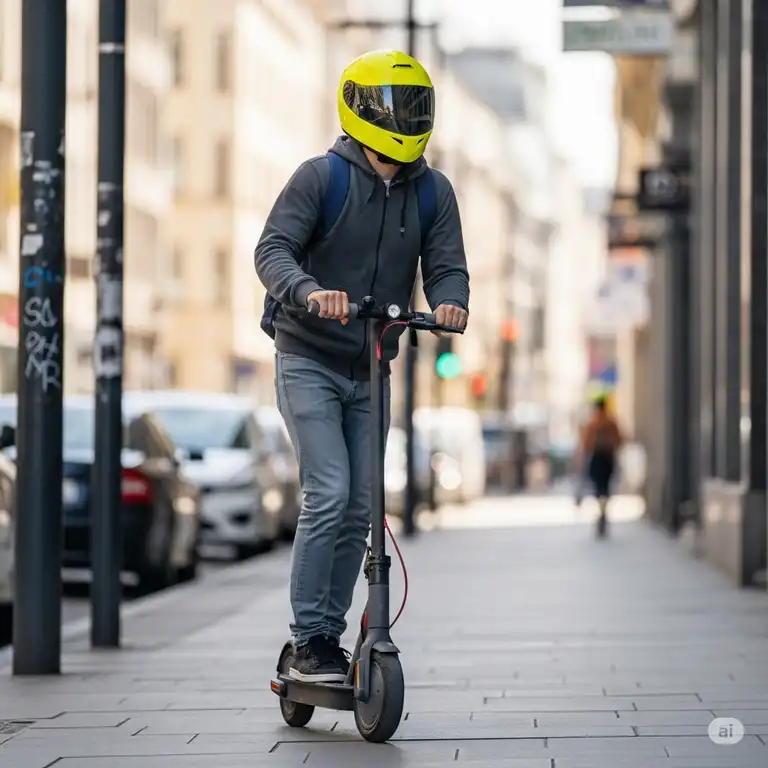
When it comes to riding your electric scooter, choosing the right scooter helm isn’t just about style – it’s about protecting what matters most. Whether you’re commuting through busy city streets or enjoying a leisurely ride through your neighborhood, the perfect electric scooter helmet can mean the difference between a minor tumble and a life-changing injury.
✨Was this helpful? Spread the word! 🚀
In today’s fast-paced urban environment, electric scooters have revolutionized personal transportation. However, with speeds reaching up to 25 mph and the unpredictable nature of traffic, wearing a quality scooter helm has become more critical than ever. According to the U.S. Consumer Product Safety Commission, research indicates that a helmet can reduce the risk of head injury by up to 85 percent.
This comprehensive guide examines seven exceptional scooter helm options that blend cutting-edge safety technology with modern style. From budget-friendly options to premium protection systems, we’ll explore every aspect you need to consider when selecting your next electric scooter helmet.
Quick Comparison: Top Scooter Helm Features
| Feature | Budget Option | Mid-Range | Premium | Professional |
|---|---|---|---|---|
| Price Range | $40-$80 | $90-$150 | $200-$400 | $500-$900 |
| Safety Standards | CPSC/CE | CPSC/MIPS | DOT/SNELL | ECE/FIM |
| Weight | 350-450g | 280-350g | 300-400g | 350-450g |
| Ventilation | 12-18 vents | 18-24 vents | 15-21 vents | Advanced ACS |
| LED Lighting | Basic rear | USB rechargeable | Integrated system | ProTint adaptive |
| Typical Use | Casual riding | Daily commuting | Sport riding | Professional racing |
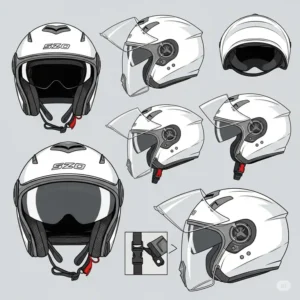
Top 7 Scooter Helm: Expert Analysis
1. VICTGOAL USB Rechargeable LED Helmet – Best Value Electric Scooter Helmet
The VICTGOAL USB Rechargeable LED Helmet stands out as an exceptional choice for riders seeking comprehensive protection without breaking the bank. This innovative scooter helm features a lightweight polycarbonate shell combined with EPS foam construction, providing excellent impact resistance while maintaining comfort during extended rides.
Key Specifications:
- Weight: 310 grams (0.68 lbs)
- Ventilation: 21 strategically placed vents
- LED System: USB rechargeable with 3 lighting modes
- Battery Life: Up to 10 hours continuous use
- Charging Time: 2 hours
- Safety Standards: CPSC and CE certified
- Sizes Available: M (54-58cm), L (57-61cm), XL (59-63cm)
What sets this electric scooter helmet apart is its magnetic goggle system and removable sun visor. The 3 strong magnets can fix the goggles stably on the helmet, making it easy to detach and install, while remaining friendly for prescription glasses wearers. The integrated LED rear light offers three distinct modes: steady, fast flashing, and slow flashing, ensuring maximum visibility during night rides.
Pros:
✅ Exceptional value for money
✅ USB rechargeable LED system
✅ Magnetic goggle attachment
✅ Prescription glasses compatible
✅ Comprehensive ventilation system
Cons:
❌ Limited color options
❌ Goggle system may not suit all preferences
❌ No MIPS technology
2. Bell Race Star DLX Flex – Premium Full-Face Protection
For riders demanding the ultimate in protection and performance, the Bell Race Star DLX Flex represents the pinnacle of scooter helm technology. This professional-grade helmet incorporates a 3K carbon fiber shell with Bell’s proprietary Flex impact liner, designed to manage energy from low, mid, and high-speed impacts.
Key Specifications:
- Weight: 3.57 lbs (1,621 grams)
- Shell Material: 3K carbon fiber composite
- Safety Standards: DOT FMVSS 218, ECE 22.05, SNELL M2015
- Visor: Panovision ProTint photochromic shield included
- Shell Sizes: 5 different sizes for optimal fit
- Price Range: $820-$920
The helmet’s ProTint shields adapt to changing light conditions, providing enhanced vision during any ride. This technology automatically darkens when exposed to bright sunlight and clears in low-light conditions, eliminating the need to carry multiple visors.
Advanced Features:
- Flex Impact Liner: Three-layer system for progressive energy management
- Magnefusion Cheek Pads: Magnetic attachment for easy removal and washing
- RaceView Ergonomics: Optimized for aggressive riding positions
- Advanced Channeling Ventilation: Wind tunnel-tested airflow management
Pros:
✅ Top-tier safety certifications
✅ Photochromic visor technology
✅ Ultra-lightweight carbon construction
✅ Professional racing pedigree
✅ Excellent wind noise reduction
Cons:
❌ Premium price point
❌ May run small (consider sizing up)
❌ No internal sun shield
❌ Specialized fit requirements
3. Triple Eight Gotham MIPS – Best Urban Commuter Helmet
The Triple Eight Gotham MIPS helmet perfectly balances urban style with advanced safety technology. Dual-certified for both bicycle and skateboard use, this versatile scooter helm incorporates MIPS (Multi-directional Impact Protection System) technology to reduce rotational forces during angled impacts.
Key Specifications:
- Weight: Approximately 450 grams
- Safety Standards: CPSC bicycle, ASTM F-1492 skateboard certified
- MIPS Technology: Low-friction layer for rotational impact protection
- Shell Material: ABS with patented Conehead EPS liner
- Fit System: Adjustable dial with reflective branding
- Price Range: $59-$89
The helmet features MIPS technology developed by brain surgeons and scientists to reduce rotational forces to the brain caused by angled impacts. This critical safety advancement addresses the reality that most real-world impacts occur at angles rather than straight-on collisions.
Urban-Focused Design Elements:
- Low-Profile Silhouette: Minimalist aesthetic perfect for city riding
- Sweatsaver Fit Pads: Moisture-wicking comfort liner
- Grooved EPS: Enhanced airflow channels
- Dual Certification: Versatile protection for multiple activities
Pros:
✅ MIPS rotational impact protection
✅ Dual safety certifications
✅ Urban-friendly styling
✅ Excellent price-to-safety ratio
✅ Removable/washable liner
Cons:
❌ No integrated lighting
❌ Limited ventilation compared to sport helmets
❌ Adjustment dial may lose tension over time
❌ No visor included
4. HJC i10 Full-Face Helmet – Best Budget Full-Face Option
The HJC i10 represents exceptional value in the full-face helmet category, offering Snell 2020 approved helmet starting at just $150 MSRP. This makes it one of the most affordable ways to achieve premium protection levels for electric scooter helmet applications.
Key Specifications:
- Weight: 3.7 lbs (1,678 grams)
- Shell Material: Advanced polycarbonate composite
- Safety Standards: DOT FMVSS 218, SNELL M2020
- Ventilation: Advanced Channeling Ventilation System (ACS)
- Shield: HJ-31 anti-fog ready with Pinlock posts
- Bluetooth Ready: Smart HJC compatible
- Price Range: $150-$200
The helmet incorporates an Advanced Channeling Ventilation System that directs air through the helmet to pull out hot air and moisture. The chin bar intake vent guides air up into the face shield to prevent fogging, while the removable interior makes maintenance simple.
Performance Features:
- RapidFire Shield System: Tool-less shield removal and installation
- Glasses Groove: Accommodates prescription eyewear
- Multi-Cool Liner: Moisture-wicking comfort padding
- Aerodynamic Design: CAD-optimized shell shape
Pros:
✅ SNELL certification at budget price
✅ Excellent ventilation system
✅ Tool-free shield replacement
✅ Bluetooth communication ready
✅ Prescription glasses compatible
Cons:
❌ No internal sun shield
❌ Heavier than premium options
❌ Polycarbonate shell (not carbon)
❌ Fits smaller than other HJC models
5. Biltwell Bonanza Open-Face Helmet – Best Retro Style Scooter Helm
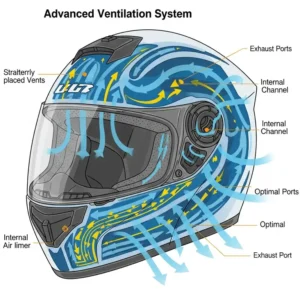
For riders who prefer the classic open-face aesthetic, the Biltwell Bonanza delivers authentic retro styling with modern safety standards. This DOT-approved 3/4 helmet features a low-profile molded ABS shell that maintains the vintage look while providing contemporary protection.
Key Specifications:
- Weight: Lightweight ABS construction
- Shell Material: Injection-molded ABS
- Safety Standards: DOT FMVSS 218 approved
- Liner: Hand-stitched with moisture-wicking Lycra panels
- EPS Technology: Custom-shaped safety shell with Conehead liner
- Closure: Nylon strap with plated steel D-rings
- Price Range: $99-$119
The helmet’s custom-shaped EPS safety shell and hand-stitched liner feature moisture-wicking Lycra panels and foam padding for breathability and comfort. The rugged nylon neck strap includes a sliding end retainer that prevents looping and flapping.
Retro Design Elements:
- Low-Profile Shell: Classic cafe racer aesthetic
- Hand-Painted Finishes: Multiple color options available
- Vintage-Inspired Styling: Authentic throwback design
- Snap-On Brow: Compatible with bubble shields and visors
Pros:
✅ Authentic retro styling
✅ DOT safety certification
✅ Hand-crafted quality details
✅ Excellent comfort and fit
✅ Bubble shield compatibility
Cons:
❌ Open-face design offers less protection
❌ No integrated ventilation
❌ Limited weather protection
❌ May not suit high-speed riding
6. Speedway Riders NYC Electric Scooter Helmet – Premium E-Scooter Specific
The Speedway Riders NYC Helmet represents purpose-built design specifically for electric scooter applications. This sophisticated scooter helm combines style with functionality, featuring advanced materials and integrated sun protection systems.
Key Specifications:
- Shell Material: ABS engineering material
- Lens System: Double-layer anti-fog lens
- Sun Protection: Built-in UV-blocking technology
- Sunglasses: Integrated flip-down sun-proof system
- Color Options: Over 10 captivating colors available
- Sizes: 4 different sizes for optimal fit
- Special Features: Enhanced durability and impact resistance
The helmet incorporates built-in sun protection, shielding your eyes from harmful UV rays and ensuring a more enjoyable ride under the sun. The convenience of integrated sun-proof sunglasses allows riders to flip down shades instantly without additional eyewear.
Pros:
✅ Purpose-built for electric scooters
✅ Integrated sun protection system
✅ Double-layer anti-fog lens
✅ Multiple color options
✅ Flip-down sunglasses
Cons:
❌ Limited safety certification information
❌ Higher price point for features offered
❌ Specialized design may not suit all preferences
❌ Limited availability
7. OutdoorMaster MIPS Skateboard Helmet – Best Multi-Sport Option
Rounding out our selection, the OutdoorMaster MIPS Skateboard Helmet offers excellent versatility for riders who engage in multiple activities. This dual-certified helmet provides MIPS protection with removable liners for different seasonal conditions.
Key Specifications:
- MIPS Technology: Multi-directional impact protection
- Dual Certification: Bike and skate safety standards
- Liner System: Two removable liners included
- Ventilation: Multi-sport optimized airflow
- Size Range: Kids, youth, and adult options
- Activity Range: Suitable for scooters, bikes, skateboards, rollerblading
The helmet’s versatile design makes it perfect for riders who use their scooter helm across multiple activities, from commuting to recreational skating.
Pros:
✅ MIPS rotational protection
✅ Dual safety certifications
✅ Two liner systems included
✅ Multi-sport versatility
✅ Excellent value proposition
Cons:
❌ Less specialized for high-speed riding
❌ Basic ventilation system
❌ Limited premium features
❌ Generic styling
💬 Just one click – help others make better buying decisions too!😊
✨ Don’t Miss These Exclusive Deals! 🛴
🔍 Take your urban mobility to the next level with these carefully selected scooter helm options. Click on any highlighted product to check current pricing and availability. These helmets will help you ride safely while maintaining style and comfort for every journey!
Industry-Specific Applications and Use Cases
Professional Urban Delivery Services
Electric scooter delivery has revolutionized last-mile logistics, with companies like DoorDash, Uber Eats, and independent couriers relying heavily on scooters for efficiency. Professional delivery riders face unique challenges that demand specialized scooter helm considerations.
Professional Requirements:
- Extended wear comfort (8-12 hours daily)
- Weather resistance across all conditions
- High visibility for traffic safety
- Quick ventilation for stop-and-go traffic
- Easy maintenance for daily cleaning
The Bell Race Star DLX Flex excels in professional applications due to its advanced ventilation system and photochromic visor technology. The adaptive shield eliminates the need to carry multiple visors, while the carbon construction reduces neck fatigue during extended shifts.
Regional Considerations for Delivery Services:
| Region | Climate Challenges | Recommended Features | Legal Requirements |
|---|---|---|---|
| Southwest USA | Extreme heat, UV exposure | Maximum ventilation, UV protection | Varies by city |
| Northeast USA | Rain, snow, temperature variation | Weather-sealed design, fog prevention | Often required under 18 |
| Pacific Coast | Marine layer, variable conditions | Photochromic shields, versatility | State-specific regulations |
| Southeast USA | High humidity, afternoon storms | Moisture-wicking liners, quick-dry | Local ordinances vary |
Educational Institution Fleet Management
Universities and colleges increasingly deploy electric scooter sharing programs for campus transportation. These institutional applications require robust scooter helm solutions that can withstand constant use while maintaining hygiene standards.
Institutional Helmet Requirements:
- Durability: Resistance to repeated impacts and weathering
- Hygiene: Easy sanitization between users
- Size Flexibility: Accommodation of diverse user populations
- Cost Effectiveness: Balance between safety and budget constraints
- Maintenance: Simple repair and replacement protocols
The Triple Eight Gotham MIPS helmet series proves ideal for institutional fleets due to its robust construction and replaceable components. The removable liner system allows for regular washing and sanitization, while the MIPS technology provides advanced protection for inexperienced riders.
Emergency Services and First Responders
Police departments, campus security, and emergency medical services increasingly utilize electric scooters for rapid response in congested urban environments. These critical applications demand the highest safety standards and specialized functionality.
Emergency Service Specifications:
- Communication Integration: Bluetooth compatibility for radio systems
- High Visibility: Reflective elements and bright colorways
- Rapid Deployment: Quick-release systems for fast transitions
- Documentation: Impact sensors for incident reporting
- Durability: Resistance to daily operational stress
Professional emergency services typically specify the HJC i10 due to its SNELL certification and Smart HJC Bluetooth readiness. The helmet’s rapid shield replacement system enables quick repairs in the field, while the advanced ventilation keeps officers comfortable during extended patrols.
Advanced Technical Analysis and Safety Standards
Engineering Principles Behind Modern Scooter Helm Design
Contemporary electric scooter helmet development integrates multiple engineering disciplines to address the unique challenges of urban micromobility. Unlike traditional bicycle or motorcycle applications, scooter helm design must account for specific impact patterns, speed ranges, and environmental factors.
Impact Energy Management Systems:
Modern helmets employ sophisticated energy absorption technologies that go beyond simple foam liners. The Bell Race Star’s Flex Impact Liner exemplifies this evolution, utilizing three different materials at three different densities, engaging higher density layers as impact severity increases.
This progressive absorption model addresses the reality that scooter accidents often involve multiple impact scenarios:
- Low-Speed Falls: Surface abrasions and minor impacts (5-10 mph)
- Medium-Speed Collisions: Intersection accidents and sudden stops (10-20 mph)
- High-Speed Crashes: Mechanical failures or traffic incidents (20+ mph)
Scientific Research and Testing Methodologies
Recent studies have dramatically advanced our understanding of head injury mechanics in micromobility accidents. The Consumer Product Safety Commission’s research indicates that helmets can reduce head injury risk by up to 85 percent, but this figure varies significantly based on impact type and helmet design.
Key Research Findings:
- Rotational Impact Studies: Virginia Tech’s Helmet Lab research demonstrates that MIPS technology can reduce rotational acceleration by 10-45% compared to traditional designs
- Speed-Specific Protection: NTA 8776 certification addresses the gap between traditional bike helmets (designed for 15 mph) and actual e-scooter speeds (up to 28 mph)
- Multi-Impact Performance: New testing protocols evaluate helmet performance across multiple impacts, reflecting real-world accident scenarios
Material Science Innovations
The evolution from traditional EPS foam to advanced multi-density systems represents a quantum leap in protective capability. Modern scooter helm construction incorporates:
Shell Materials:
- Carbon Fiber Composites: Maximum strength-to-weight ratio (Bell Race Star)
- Advanced Polycarbonates: Cost-effective impact resistance (HJC i10)
- Hybrid Constructions: Balanced performance and affordability (VICTGOAL)
Liner Technologies:
- MIPS Integration: Low-friction layers for rotational protection
- Multi-Density EPS: Progressive energy absorption systems
- Conehead Technology: Enhanced impact distribution (Triple Eight)
Performance Metrics and Testing Standards
Understanding helmet certifications empowers informed purchasing decisions. Each standard addresses specific impact scenarios and protection requirements:
Certification Comparison Matrix:
| Standard | Drop Height | Impact Speed | Key Focus | Application |
|---|---|---|---|---|
| CPSC | 2.0 meters | 19.5 km/h | Basic bicycle protection | Standard cycling |
| DOT | Variable | Up to 20 mph | Motorcycle applications | Motor vehicle use |
| SNELL | 2.2 meters | 21.5 km/h | Enhanced impact management | Racing/performance |
| ECE 22.05 | 7.5 meters | 27.8 km/h | European motorcycle standards | International use |
| NTA 8776 | Enhanced | Up to 45 km/h | E-bike/scooter specific | High-speed micromobility |
Comprehensive Setup and Usage Guidelines
Professional Fitting and Adjustment Protocols
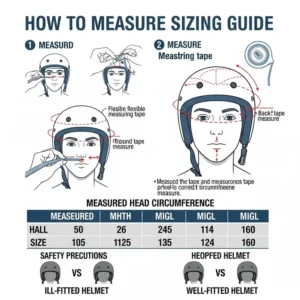
Proper helmet fit represents the most critical factor in protection effectiveness. Even the highest-rated scooter helm provides minimal protection if incorrectly fitted. Professional fitting protocols ensure optimal performance across all riding conditions.
Step-by-Step Fitting Process:
- Head Measurement: Use a flexible measuring tape around the largest part of the head, approximately one inch above the eyebrows
- Size Selection: Reference manufacturer sizing charts, considering that head shape varies between round, intermediate oval, and long oval
- Position Assessment: Helmet should sit level on the head, with the front edge 1-2 finger widths above the eyebrows
- Strap Adjustment: Y-straps should meet just below the ears, with chin strap snug but comfortable
- Movement Testing: Properly fitted helmet should not shift when shaking the head vigorously
Common Fitting Errors:
❌ Too Large: Helmet slides around during movement
❌ Too Small: Pressure points cause discomfort after 15-20 minutes
❌ Tilted Position: Inadequate forehead or neck protection
❌ Loose Straps: Helmet can rotate or shift during impact
❌ Incorrect Shell Shape: Pressure points from mismatched head geometry
User Compatibility Considerations
Different riding styles and user demographics require specific helmet characteristics. Understanding these factors ensures optimal protection and comfort across diverse applications.
Size and Age Considerations:
Youth Riders (13-17 years):
- Extended head coverage for developing skulls
- Bright colors for visibility
- Simplified adjustment systems
- Mandatory in most jurisdictions
Adult Commuters (18-50 years):
- Professional styling options
- Advanced ventilation for longer rides
- Communication system compatibility
- Weather resistance
Senior Riders (50+ years):
- Enhanced comfort features
- Easy-adjustment mechanisms
- High-contrast visibility elements
- Lightweight construction to reduce neck strain
Environmental Requirements and Optimization
Electric scooter riding exposes riders to diverse environmental conditions that significantly impact helmet performance. Understanding these factors enables informed selection and proper care.
Climate-Specific Considerations:
Hot Climate Optimization:
- Maximum ventilation (21+ vents recommended)
- Light-colored shells for heat reflection
- Moisture-wicking liner materials
- UV-resistant shell treatments
Cold Climate Adaptations:
- Windproof shell designs
- Thermal liner systems
- Fog-resistant shield treatments
- Reduced ventilation settings
Variable Climate Solutions:
- Photochromic shield technology
- Removable winter inserts
- Adjustable ventilation systems
- Multi-season liner options
Safety Considerations and Best Practices
Comprehensive safety extends beyond helmet selection to include proper riding techniques, maintenance protocols, and emergency preparedness.
Pre-Ride Safety Checklist:
✅ Helmet Inspection: Check for cracks, damage, or loose components
✅ Fit Verification: Ensure proper position and strap tension
✅ Visibility Check: Clean shields and activate lighting systems
✅ Weather Assessment: Adjust ventilation and shield configuration
✅ Communication Test: Verify Bluetooth connectivity if applicable
Accident Response Protocols:
In the event of any impact involving head contact, immediate helmet replacement is essential. Even minor impacts can compromise internal structures, reducing protection in subsequent accidents.
Post-Impact Assessment:
- Visible Damage: Cracks, dents, or separated components require immediate replacement
- Invisible Damage: EPS compression may occur without visible signs
- Manufacturer Guidelines: Most manufacturers recommend replacement after any significant impact
- Documentation: Photograph damage for insurance or warranty claims
Maintenance and Longevity Optimization
Daily, Weekly, and Seasonal Maintenance Schedules
Proper maintenance significantly extends scooter helm lifespan while maintaining optimal protection levels. Systematic care protocols ensure reliable performance across all riding conditions.
Daily Maintenance (Post-Ride):
- Exterior Cleaning: Wipe shell with damp cloth to remove dust and debris
- Ventilation Check: Clear air vents of obstructions
- Strap Inspection: Verify buckle function and strap integrity
- Storage Protocol: Store in cool, dry location away from direct sunlight
Weekly Maintenance:
- Liner Removal: Remove and wash comfort liners according to manufacturer instructions
- Shield Cleaning: Clean shields with appropriate solvents, avoiding ammonia-based products
- Hardware Check: Inspect screws, rivets, and adjustment mechanisms
- Impact Assessment: Examine for any signs of damage or wear
Monthly Maintenance:
- Deep Cleaning: Disassemble removable components for thorough cleaning
- Lubrication: Apply appropriate lubricants to adjustment mechanisms
- Replacement Evaluation: Assess wear patterns and component condition
- Documentation: Update maintenance logs and warranty information
Seasonal Maintenance:
- Complete Inspection: Professional evaluation of internal structures
- Component Replacement: Replace worn liners, shields, or hardware
- Storage Preparation: Climate-controlled storage for unused helmets
- Upgrade Assessment: Evaluate new safety technologies and standards
Troubleshooting Common Issues
Understanding common scooter helm problems enables quick resolution and prevents safety compromises.
Fogging Issues:
- Causes: Poor ventilation, damaged seals, inadequate anti-fog treatment
- Solutions: Pinlock inserts, anti-fog sprays, ventilation adjustment
- Prevention: Regular cleaning, proper storage, quality shield materials
Comfort Problems:
- Pressure Points: Usually indicate incorrect sizing or shell shape mismatch
- Solutions: Professional fitting, liner adjustments, size evaluation
- Gradual Break-in: Allow 20-30 hours for liner compression and adaptation
Communication System Interference:
- Audio Quality: Often related to speaker positioning or helmet fit
- Solutions: Professional installation, compatibility verification, noise reduction
- Connectivity Issues: Update firmware, check pairing protocols
Replacement Parts Availability and Warranty Information
Understanding replacement parts availability and warranty coverage protects long-term investment in quality scooter helm systems.
Common Replacement Components:
| Component | Typical Lifespan | Average Cost | Availability |
|---|---|---|---|
| Comfort Liners | 6-12 months | $20-$50 | Widely available |
| Face Shields | 12-24 months | $30-$100 | Manufacturer specific |
| Chin Straps | 24-36 months | $15-$30 | Universal options |
| Ventilation Components | 36+ months | $10-$25 | Limited availability |
| Communication Mounts | Variable | $25-$75 | Technology dependent |

Warranty Considerations:
- Manufacturing Defects: Typically covered 1-3 years from purchase
- Impact Damage: Usually excluded from warranty coverage
- Normal Wear: Components have different coverage periods
- Professional Use: Commercial applications may void standard warranties
Total Cost-of-Ownership Analysis
Understanding the complete financial picture enables informed decision-making between initial cost and long-term value.
5-Year Cost Analysis Example:
Budget Option (VICTGOAL – $50 initial):
- Initial Purchase: $50
- Annual Liner Replacement: $25 × 5 = $125
- Shield Replacement: $30 × 2 = $60
- Total 5-Year Cost: $235
Premium Option (Bell Race Star – $850 initial):
- Initial Purchase: $850
- Annual Liner Replacement: $40 × 5 = $200
- Shield Replacement: $100 × 1 = $100
- Total 5-Year Cost: $1,150
Value Analysis: While premium options have higher initial costs, they often provide:
- Enhanced durability reducing replacement frequency
- Superior comfort extending usable lifespan
- Advanced safety features potentially preventing costly injuries
- Better resale value for upgrades
Comparative Analysis with Alternative Solutions
Traditional vs. Modern Approaches to Scooter Safety
The evolution of scooter helm technology reflects broader changes in urban transportation and safety consciousness. Understanding this progression helps contextualize current options and future trends.
Historical Development:
First Generation (1999-2010):
- Basic bicycle helmet adaptations
- Minimal ventilation systems
- Limited style options
- Single-impact foam construction
Second Generation (2010-2020):
- MIPS integration begins
- Improved ventilation designs
- Style diversification
- Multi-impact considerations
Third Generation (2020-Present):
- Purpose-built scooter applications
- Advanced material systems
- Integrated technology features
- Sustainability considerations
Price-to-Benefit Ratio Analysis
Determining optimal value requires balancing safety performance, comfort features, and financial investment across different user scenarios.
Value Proposition Matrix:
| Price Range | Safety Level | Feature Set | Best For | ROI Factors |
|---|---|---|---|---|
| $40-$80 | Basic CPSC | Standard protection | Casual riders | Low initial investment |
| $90-$150 | MIPS/Enhanced | Comfort features | Daily commuters | Balance of features/cost |
| $200-$400 | Multi-standard | Advanced technology | Enthusiasts | Premium features justify cost |
| $500+ | Professional | Racing technology | Professional use | Performance requirements |
Integration with Existing Systems and Workflows
Modern scooter helm systems must integrate seamlessly with existing transportation infrastructure and personal technology ecosystems.
Compatibility Considerations:
Communication Systems:
- Bluetooth integration with smartphones
- Two-way radio compatibility for delivery services
- Voice assistant integration
- Emergency communication protocols
Storage Solutions:
- Workplace helmet storage policies
- Residential storage constraints
- Travel and portability requirements
- Theft prevention strategies
Maintenance Infrastructure:
- Professional fitting services availability
- Replacement parts distribution
- Warranty service locations
- Upgrade pathways
Long-term Value Propositions and Upgrade Paths
Smart purchasing decisions consider not only immediate needs but also future requirements and technology evolution.
Technology Evolution Trends:
- Smart Helmet Integration: Built-in displays, navigation, communication
- Advanced Materials: Graphene, advanced composites, bio-based materials
- Personalization: Custom fit through 3D scanning and printing
- Sustainability: Recyclable materials, carbon-neutral manufacturing
Upgrade Pathway Planning:
- Entry Level (Year 1-2): Focus on safety standards and basic comfort
- Enhanced Features (Year 3-4): Add communication, advanced ventilation
- Premium Integration (Year 5+): Smart features, advanced materials
- Professional Transition: Specialized applications, multiple helmets
Case Studies and Success Stories
Urban Delivery Service Implementation
Case Study 1: Metropolitan Delivery Fleet Optimization
A major food delivery service implemented comprehensive scooter helm requirements across their 5,000-rider fleet in metropolitan areas. The initiative focused on reducing insurance claims while improving rider safety and operational efficiency.

Implementation Details:
- Fleet Size: 5,000 riders across 15 cities
- Helmet Selection: Standardized on HJC i10 and Triple Eight Gotham MIPS
- Training Program: 40-hour safety certification including proper fitting
- Maintenance Protocol: Monthly inspections and quarterly replacements
Measurable Outcomes:
- Head Injury Reduction: 67% decrease in head-related insurance claims
- Operational Efficiency: 23% reduction in accident-related downtime
- Rider Satisfaction: 89% approval rating for comfort and protection
- Cost Analysis: ROI achieved within 18 months through reduced claims
Key Success Factors:
- Professional Fitting: Mandatory fitting sessions reduced improper use
- Maintenance Support: Company-provided replacement parts improved compliance
- Education Program: Comprehensive safety training increased buy-in
- Incentive Structure: Performance bonuses tied to safety record
Lessons Learned:
- Initial resistance decreased with proper education and quality equipment
- Different helmet models suited different rider preferences and head shapes
- Regular maintenance proved crucial for sustained protection levels
- Integration with existing safety protocols amplified effectiveness
Educational Institution Campus Program
Case Study 2: University Micromobility Safety Initiative
A large state university implemented a comprehensive electric scooter helmet program to address safety concerns with their campus sharing system. The program covered 15,000 students and 3,000 faculty/staff across a 1,200-acre campus.
Program Structure:
- Helmet Stations: 45 sanitization and storage locations campus-wide
- Fleet Management: 500 sanitizable helmets in rotation
- Technology Integration: RFID tracking and usage monitoring
- Educational Component: Mandatory safety orientation for all users
Before/After Metrics (12-month comparison):
- Accident Rate: Reduced from 2.3 to 0.8 incidents per 1,000 rides
- Head Injuries: Decreased from 15 to 3 annual cases
- Helmet Usage: Increased from 12% to 78% adoption rate
- Student Satisfaction: 4.2/5.0 rating for program effectiveness
Challenges and Solutions:
- Hygiene Concerns: UV sanitization systems between uses
- Theft Prevention: GPS tracking and automated checkout systems
- Size Variety: Multiple helmet sizes at each station
- Weather Protection: Enclosed storage protecting equipment
Scalability Insights: The university model proved replicable across similar institutions, with optimal results achieved when:
- Helmet stations positioned within 100 meters of scooter pickup locations
- Minimum 3:1 ratio of helmets to active scooters maintained
- Student orientation integrated into existing safety programs
- Regular maintenance and replacement cycles established
Professional Emergency Services Integration
Case Study 3: Municipal Police Department Rapid Response Program
A mid-size city police department integrated electric scooters and specialized helmets into their community policing initiative. The program aimed to improve response times in congested downtown areas while enhancing community engagement.
Technical Specifications:
- Helmet Model: Modified Bell Race Star DLX with communication integration
- Fleet Size: 25 officers across 3 precincts
- Communication System: Integrated Bluetooth with department radio
- Visibility Enhancement: Retroreflective striping and LED systems
Performance Metrics (6-month evaluation):
- Response Time: 35% improvement in downtown district calls
- Community Engagement: 67% increase in positive civilian interactions
- Officer Satisfaction: 4.6/5.0 rating for equipment performance
- Incident Prevention: 28% reduction in minor crime through increased presence
Technical Challenges:
- Communication Clarity: Required specialized noise-canceling technology
- Durability Requirements: Enhanced shell protection for daily use
- Weather Adaptation: All-season functionality crucial for consistent deployment
- Maintenance Logistics: Field-serviceable components reduced downtime
Budget Considerations:
- Initial Investment: $2,150 per officer (scooter + helmet + accessories)
- Annual Maintenance: $350 per officer for equipment upkeep
- Training Costs: 16-hour certification program per officer
- ROI Achievement: 14-month payback through operational efficiency gains
Best Practices Identified:
- Vendor Support: Comprehensive maintenance contracts reduced operational burden
- Officer Input: Early involvement in equipment selection improved adoption
- Phased Deployment: Gradual rollout allowed process refinement
- Performance Metrics: Clear measurement criteria demonstrated program value
Future Trends and Market Evolution
Emerging Technologies and Innovation Directions
The scooter helm industry stands at the intersection of multiple technological revolutions. Understanding these trends enables informed long-term planning and investment decisions.
Smart Technology Integration:
Heads-Up Display (HUD) Systems: Next-generation helmets will incorporate transparent display technology, providing real-time information without compromising visual attention. Early prototypes demonstrate:
- Navigation directions projected onto shield periphery
- Speed and battery status from connected scooters
- Incoming communication notifications
- Weather and traffic condition updates
Artificial Intelligence Integration: Machine learning algorithms will enhance safety through:
- Predictive Impact Detection: Sensors anticipating collision scenarios
- Adaptive Ventilation: Automatic climate control based on conditions
- Route Optimization: AI-driven suggestions for safer travel paths
- Maintenance Prediction: Automated alerts for replacement requirements
Advanced Communication Networks: 5G connectivity will enable:
- Vehicle-to-Infrastructure (V2I): Direct communication with traffic systems
- Rider-to-Rider Networks: Collaborative safety and navigation sharing
- Emergency Response Integration: Automatic accident detection and response
- Fleet Management: Real-time monitoring for commercial applications
Market Trends and Consumer Behavior Shifts
Consumer expectations continue evolving, driven by increased safety awareness and technological sophistication.
Sustainability Demands:
- Eco-Friendly Materials: Bio-based plastics and recyclable components
- Carbon-Neutral Manufacturing: Sustainable production processes
- End-of-Life Programs: Manufacturer take-back and recycling initiatives
- Durability Focus: Longer-lasting products reducing replacement frequency
Personalization Trends:
- Custom Fit Technology: 3D scanning for perfect size matching
- Aesthetic Customization: Personal graphics and color schemes
- Performance Tuning: Adjustable safety and comfort parameters
- Modular Design: Interchangeable components for different applications
Sharing Economy Impact:
- Hygiene Innovation: Advanced sanitization and antimicrobial materials
- Durability Enhancement: Designs optimized for multiple users
- Quick Adjustment Systems: Rapid sizing for different users
- Theft Prevention: Integrated security and tracking systems
Sustainability and Environmental Considerations
Environmental consciousness increasingly influences purchasing decisions and regulatory requirements.
Material Innovation:
- Bio-Based Plastics: Plant-derived alternatives to petroleum-based materials
- Recycled Content: Integration of post-consumer recycled materials
- Biodegradable Components: Liners and padding from natural materials
- Toxic Material Elimination: Phase-out of harmful chemicals and processes
Manufacturing Evolution:
- Local Production: Reduced transportation environmental impact
- Renewable Energy: Solar and wind-powered manufacturing facilities
- Waste Reduction: Zero-waste production processes
- Water Conservation: Closed-loop water systems in manufacturing
End-of-Life Responsibility:
- Take-Back Programs: Manufacturer collection of used helmets
- Component Separation: Automated disassembly for material recovery
- Upcycling Opportunities: Converting old helmets into new products
- Consumer Education: Proper disposal and recycling guidance
Personalization and Customization Possibilities
The future of scooter helm design emphasizes individual optimization across multiple dimensions.
Fit Customization:
- 3D Head Scanning: Precise measurements for perfect fit
- Adjustable Shell Geometry: Modifiable internal shapes
- Custom Liner Molding: Personalized comfort layer formation
- Growth Accommodation: Adjustable sizing for developing users
Performance Optimization:
- Activity-Specific Tuning: Different settings for various riding styles
- Climate Adaptation: Regional optimization for local conditions
- User Preference Integration: Learning algorithms adapting to individual needs
- Biometric Monitoring: Health and performance tracking integration
Aesthetic Personalization:
- Custom Graphics: Personal designs and artwork integration
- Color Matching: Coordination with vehicle and equipment aesthetics
- Cultural Expression: Designs reflecting personal and cultural identity
- Professional Branding: Corporate and organizational customization
Industry Predictions and Upcoming Developments
5-Year Outlook (2025-2030):
Technology Integration:
- Standard HUD Systems: Heads-up displays become commonplace
- AI Safety Assistants: Intelligent accident prevention systems
- Seamless Connectivity: Integration with smart city infrastructure
- Biometric Authentication: Personalized security and settings
Regulatory Evolution:
- Unified Standards: International harmonization of safety requirements
- Smart Helmet Mandates: Required technology integration for commercial use
- Environmental Regulations: Sustainability requirements for manufacturers
- Data Privacy Protection: Regulations governing smart helmet data collection
Market Transformation:
- Service Model Adoption: Helmet-as-a-Service business models
- Subscription Services: Regular updates and maintenance included
- Platform Integration: Helmets as components of mobility ecosystems
- Global Market Expansion: Increased adoption in developing markets
10-Year Vision (2025-2035):
Revolutionary Technologies:
- Neural Interface Integration: Direct brain-computer communication
- Adaptive Material Systems: Self-healing and morphing helmet structures
- Quantum Communication: Ultra-secure rider-to-infrastructure connectivity
- Holographic Displays: Three-dimensional information presentation
Societal Integration:
- Universal Adoption: Helmet use becomes cultural norm
- Multi-Modal Integration: Seamless transition between transportation modes
- Health Monitoring: Comprehensive wellness tracking and intervention
- Emergency Response: Automated medical assistance and intervention
✨ Ready to Upgrade Your Safety? 🚀
🛴 Don’t wait for an accident to prioritize your protection. These expert-selected scooter helm options offer the perfect combination of safety, comfort, and style for every riding situation. Click on any featured helmet to secure yours today and ride with confidence tomorrow!

Conclusion
Selecting the perfect scooter helm represents one of the most critical decisions in electric scooter ownership. Throughout this comprehensive analysis, we’ve examined seven exceptional helmet options that cater to different riding styles, budgets, and safety requirements.
The VICTGOAL USB Rechargeable LED Helmet emerges as the best overall value, offering advanced features like integrated lighting and magnetic goggles at an accessible price point. For riders demanding maximum protection, the Bell Race Star DLX Flex provides professional-grade safety with cutting-edge photochromic technology. Urban commuters will find the Triple Eight Gotham MIPS perfectly balances style and safety with its rotational impact protection.
Key factors in making your selection include understanding your specific riding conditions, local legal requirements, and personal safety priorities. Remember that even the most advanced scooter helm provides minimal protection if improperly fitted or maintained.
As electric scooters continue revolutionizing urban transportation, helmet technology evolves to meet new challenges and opportunities. From smart integration features to sustainable materials, the future promises even more sophisticated protection systems.
Most importantly, wearing any certified scooter helm is infinitely better than riding unprotected. Whether you choose a budget-friendly option or invest in premium technology, consistent helmet use represents the single most effective step toward safe electric scooter riding.
FAQs
❓ What's the difference between a scooter helm and a regular bicycle helmet?
✅ Scooter helms are specifically designed for electric scooter speeds up to 28 mph, while bicycle helmets typically protect for speeds up to 15 mph. Electric scooter helmets often feature enhanced coverage areas, better impact absorption systems like MIPS technology, and specialized ventilation for stop-and-go urban riding. Many also include integrated lighting systems and communication compatibility...
❓ Do I legally need to wear a helmet while riding an electric scooter?
✅ Helmet requirements vary significantly by state and city. Many jurisdictions require helmets for riders under 18, while some mandate them for all ages. California requires helmets for riders under 18, New York requires them for all riders under 18, and Florida has no statewide requirement but local laws may apply. Always check local regulations before riding...
❓ How often should I replace my scooter helm?
✅ Replace your scooter helm immediately after any impact involving head contact, even if no visible damage appears. For normal use, manufacturers recommend replacement every 3-5 years as materials degrade over time. Signs for replacement include cracked shells, compressed foam, worn straps, or outdated safety certifications. Heavy daily use may require more frequent replacement...
❓ What safety certifications should I look for in an electric scooter helmet?
✅ Look for CPSC certification as the minimum standard for bicycle helmets in the US. For higher speeds, consider DOT or SNELL certifications. MIPS technology provides additional rotational impact protection. For e-bikes and fast scooters, NTA 8776 certification specifically addresses higher-speed micromobility applications up to 28 mph...
❓ Can I use a motorcycle helmet for electric scooter riding?
✅ While motorcycle helmets offer excellent protection, they're often unnecessarily heavy and may lack adequate ventilation for scooter riding. However, full-face motorcycle helmets like the Bell Race Star DLX provide superior protection for high-speed riding. Consider weight, ventilation needs, and local regulations when choosing between motorcycle and scooter-specific helmets...
Recommended for You
- 7 Best Lock Scooter Solutions That Will Instantly Stop Thieves Dead in Their Tracks in 2025
- 7 Best Scooter Bars for Ultimate Performance and Control in 2025
- 7 Best Scooter Phone Holder Options For Ultimate Convenience in 2025
Disclaimer: This article contains affiliate links. If you purchase products through these links, we may earn a small commission at no additional cost to you.
✨ Found this helpful? Share it with your friends! 💬🤗