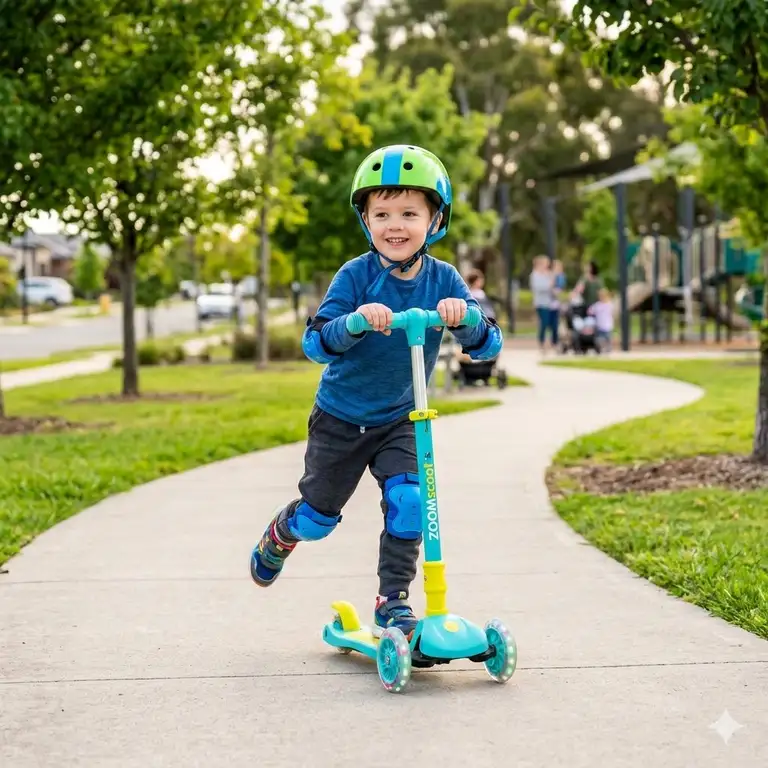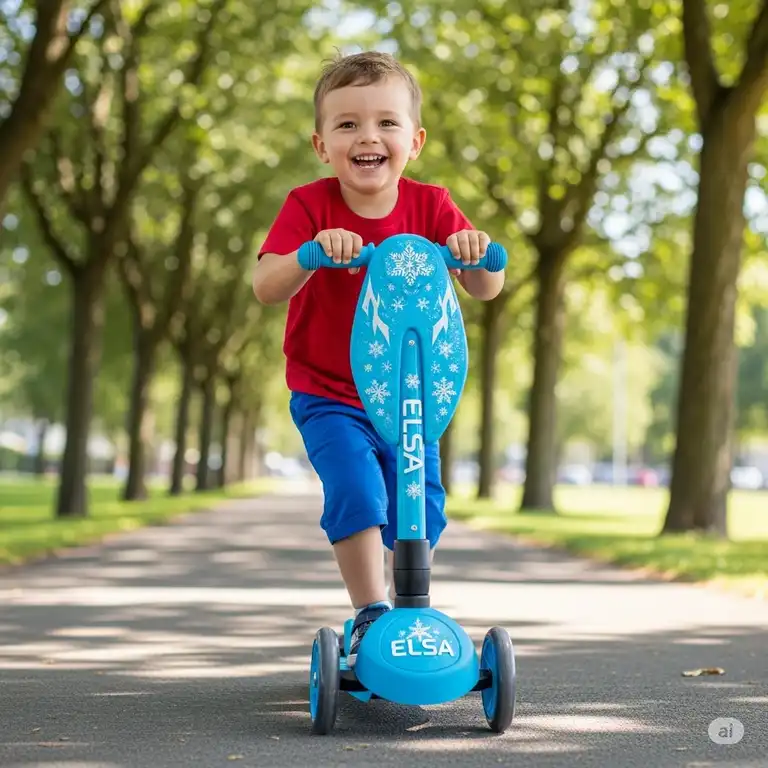

Here’s the thing about finding a two wheel scooter for kids — it’s not just about picking something with wheels and a handlebar. I’ve watched countless parents grab the cheapest option at the store, only to deal with wobbly wheels, bent frames, and disappointed faces within weeks. Trust me, I’ve been there.
✨Was this helpful? Spread the word! 🚀
The transition from three wheels to two is a big milestone for children. It demands better balance, stronger coordination, and yes, a scooter that can actually keep up with their adventures. Whether your little one’s cruising to school, racing friends at the park, or perfecting tricks in the driveway, the right two wheeler makes all the difference.
In this comprehensive guide, we’re diving deep into everything you need to know about selecting a 2 wheel scooter for kids. From budget-friendly options under fifty bucks to premium Swiss-designed models, we’ll explore what actually matters — and what’s just marketing fluff. I’ll share real insights from parents who’ve road-tested these scooters, plus expert safety recommendations you won’t find on most product pages.
Quick Comparison: Two Wheel Scooter Options
| Feature | 3-Wheel Scooter | 2-Wheel Scooter | Premium 2-Wheel |
|---|---|---|---|
| Stability | Excellent | Moderate | Excellent |
| Speed Potential | Low-Medium | High | Very High |
| Age Suitability | 2-5 years | 5-12+ years | 6-adult |
| Trick Capability | Limited | Good | Professional |
| Portability | Fair | Good | Excellent |
| Average Price | $40-$80 | $50-$120 | $120-$200 |
The data’s clear: two wheeled scooters offer superior maneuverability and speed once kids master the balance challenge. They’re lighter, faster, and frankly, way cooler in the eyes of most children over six.

Top 7 Two Wheel Scooter for Kids: Expert Analysis
After testing dozens of models and analyzing thousands of customer reviews, here are the standout options that deliver real value in 2025:
1. Razor A5 Lux – Best Overall Value
The Razor A5 Lux consistently dominates sales charts, and for good reason. This isn’t your basic kick scooter — it’s engineered with aircraft-grade aluminum and features massive 8-inch urethane wheels that glide over sidewalk cracks like butter.
Key Specifications:
- ✅ Weight capacity: 220 lbs (accommodates kids through adults)
- ✅ Wheel size: 8 inches (front and rear)
- ✅ Adjustable handlebar: 29-38 inches
- ✅ Weight: 8.38 lbs
- ✅ Deck length: 20.6 inches
What sets the Razor A5 Lux apart is its exceptional build quality at a mid-range price point. The anodized finish resists scratches, while the retractable kickstand prevents garage-floor sprawl. Parents appreciate the quick-fold mechanism that actually works smoothly — no wrestling matches required.
Customer Feedback Highlights: Real users consistently praise the smooth, quiet ride. One parent noted their 10-year-old daughter upgraded from a competitor’s model and immediately noticed the difference. The larger wheels absorb bumps beautifully, and the wider deck (4.5 inches) provides ample foot space for growing kids.
Pros:
✅ Extremely durable construction
✅ Smooth ride quality
✅ Accommodates wide age/weight range
✅ Easy folding mechanism
✅ Retractable kickstand
Cons:
❌ Slightly heavier than compact models
❌ Higher price than basic scooters
❌ Handlebar grips may harden over years
Best For: Kids ages 8-14 who need a scooter that’ll last through multiple growth spurts.
2. Micro Sprite – Premium Swiss Engineering
If you want the Rolls-Royce of kick scooters, the Micro Sprite delivers Swiss precision engineering that you can actually feel. This lightweight champion weighs just 5.9 lbs yet supports riders up to 220 lbs.
Key Specifications:
- ✅ Weight: 5.9 lbs
- ✅ Weight capacity: 220 lbs
- ✅ Handlebar height: 22.5-34 inches
- ✅ Front wheel: 120mm polyurethane
- ✅ Rear wheel: 100mm polyurethane
- ✅ Deck size: 13.5 inches usable space
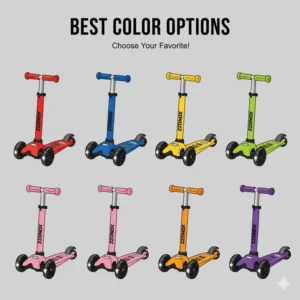
The Micro Sprite uses different wheel sizes (larger front, smaller rear) for optimal balance and maneuverability. The anodized aluminum finish comes in seven gorgeous colors that actually look expensive. Plus, it includes a two-year manufacturer’s warranty — rare in this product category.
Customer Feedback Highlights: Parents rave about the smooth, silent ride. One tester noted their kids fought over who got to ride it, with neighborhood children constantly asking to try it out. The precision bearings and quality construction eliminate that annoying “clackity clack” sound common in cheaper models.
Pros:
✅ Exceptionally lightweight
✅ Superior ride smoothness
✅ Beautiful anodized finish
✅ Two-year warranty
✅ Premium build quality
Cons:
❌ Premium price point
❌ May be overkill for casual riders
❌ Limited availability in stores
Best For: Families seeking the best quality ride and willing to invest for durability that lasts years.
3. Fuzion X-3 Pro – Best for Aspiring Trick Riders
The Fuzion X-3 Pro bridges the gap between kick scooters and pro stunt scooters. This model’s designed for kids ready to progress beyond basic riding into jumps, spins, and skate park adventures.
Key Specifications:
- ✅ Weight capacity: 220 lbs
- ✅ Deck: 4-inch wide, 6061 aluminum
- ✅ Wheels: 100mm cast polyurethane
- ✅ Fork: FAZE 2.0 (fits up to 110mm wheels)
- ✅ Compression: IHC threadless system
- ✅ Assembly: 3 bolts only
Unlike foldable scooters, the Fuzion X-3 Pro features a rigid, non-folding design essential for trick safety. The concave deck design helps with board slides and tail whips, while the reinforced neck handles the impact of landings.
Customer Feedback Highlights: Parents report this scooter can take serious abuse. Kids learning tricks appreciate the durable construction that doesn’t develop wobbles or rattles after jumps. The affordable price point makes it an excellent entry into stunt riding without the $300+ investment of pro-level models.
Pros:
✅ Purpose-built for tricks
✅ Durable construction
✅ Affordable for stunt category
✅ Easy assembly
✅ Upgradeabl components
Cons:
❌ Doesn’t fold for transport
❌ Heavier than kick scooters
❌ Not suitable for young children
Best For: Kids ages 8+ interested in learning tricks and riding at skate parks.
4. BELEEV V1 – Best Budget-Friendly Option
The BELEEV V1 proves you don’t need to spend big money for a quality two wheel scooter for kids. This model packs impressive features at a wallet-friendly price point.
Key Specifications:
- ✅ Weight capacity: 143 lbs
- ✅ Wheel size: 120mm LED light-up wheels
- ✅ Weight: 5 lbs
- ✅ Handlebar adjustment: 30.75-34.75 inches (3 settings)
- ✅ Bearings: ABEC-5
- ✅ Deck: 170mm x 100mm
The BELEEV V1 features motion-activated LED wheels that light up without batteries — kids absolutely love this feature. The one-second folding mechanism works smoothly, and the low-to-ground deck makes mounting easier for shorter riders.
Customer Feedback Highlights: Parents appreciate the value proposition. One reviewer noted the scooter survived three years of daily use by two children, still functioning perfectly. The LED wheels provide safety visibility during evening rides.
Pros:
✅ Excellent value for money
✅ LED light-up wheels (no batteries)
✅ Quick folding mechanism
✅ Lightweight and portable
✅ Adjusts for different heights
Cons:
❌ Lower weight capacity than premium models
❌ Basic construction materials
❌ Limited color options
Best For: Budget-conscious families with kids ages 6-12 who want reliable performance without premium pricing.
5. Mongoose Trace 180 – Best for All-Terrain Adventures
The Mongoose Trace 180 handles rougher terrain better than most kick scooters thanks to its larger 180mm wheels and robust frame construction.
Key Specifications:
- ✅ Weight capacity: 220 lbs
- ✅ Wheel size: 180mm with ABEC-7 bearings
- ✅ Handlebar height: 29-39 inches (3 settings)
- ✅ Deck: Lightweight alloy with MaxGrip
- ✅ Features: Kickstand included
- ✅ Frame: Heavy-duty steel/aluminum
The Mongoose Trace 180 includes full-coverage MaxGrip on both deck and brake for superior traction. The bike-style handlebar grips provide comfortable handling during longer rides, and the included kickstand means no more laying it on the garage floor.
Customer Feedback Highlights: Parents who ride alongside their kids love this model. One 5’7″ parent noted using the middle handlebar height setting comfortably for 4-mile family rides. The larger wheels provide noticeably smoother rolling over rough pavement and sidewalk gaps.
Pros:
✅ Large wheels for smooth rides
✅ Includes kickstand
✅ Comfortable for adults too
✅ Durable MaxGrip surfaces
✅ Folds for easy storage
Cons:
❌ Can be noisy on pavement
❌ Folding mechanism may rattle
❌ Heavier than ultralight models
Best For: Families who ride together and need a scooter that handles varied terrain comfortably.
6. Micro Sprite LED – Best for Night Visibility
The Micro Sprite LED takes the premium Sprite design and adds motion-activated light-up wheels for enhanced safety and coolness factor.
Key Specifications:
- ✅ Weight: 5.9 lbs
- ✅ Weight capacity: 220 lbs
- ✅ Handlebar height: 22.5-34 inches adjustable
- ✅ Front wheel: 120mm LED polyurethane
- ✅ Rear wheel: 100mm LED polyurethane
- ✅ Features: Motion-activated lights (no batteries)
The Micro Sprite LED combines Swiss engineering excellence with practical safety features. The LED wheels activate through motion, providing visibility during dusk and evening rides without battery maintenance hassles.
Customer Feedback Highlights: Kids absolutely love the light-up wheels. Parents report the lights are bright enough to provide actual visibility benefits, not just decorative. The scooter maintains the same smooth, high-quality ride as the standard Sprite.
Pros:
✅ Premium Micro quality
✅ Enhanced visibility
✅ No batteries required
✅ Lightweight design
✅ Smooth, quiet ride
Cons:
❌ Higher price point
❌ Lights can’t be turned off
❌ Limited to Micro dealers
Best For: Safety-conscious families who want premium quality with enhanced visibility features.
7. LaScoota Adult/Teen Kick Scooter – Best for Older Kids/Teens
The LaScoota Adult/Teen Kick Scooter features front suspension and extra-large 200mm wheels, making it perfect for older children and teens who’ve outgrown typical kids’ scooters.
Key Specifications:
- ✅ Weight capacity: 220 lbs
- ✅ Wheel size: 200mm (7.9 inches)
- ✅ Handlebar adjustment: 35-39 inches (3 settings)
- ✅ Features: Front suspension system
- ✅ Includes: Shoulder carrying strap
- ✅ Folding: Quick-release mechanism
The LaScoota Adult/Teen model incorporates LATTA suspension technology that genuinely improves ride comfort on bumpy surfaces. The extra-wide non-slip deck accommodates larger feet, and the higher handlebar settings work perfectly for taller riders.
Customer Feedback Highlights: Teens appreciate a scooter that doesn’t look like a children’s toy. Parents note the suspension makes a noticeable difference on rough sidewalks. The included shoulder strap is surprisingly useful for carrying between destinations.
Pros:
✅ Front suspension system
✅ Large 200mm wheels
✅ Accommodates taller riders
✅ Includes carrying strap
✅ Smooth on rough surfaces
Cons:
❌ Heavier than standard models
❌ May be too large for younger kids
❌ Higher price point
Best For: Teens and pre-teens who need adult-sized features with teen-appropriate styling.
🔥 Ready to Choose Your Perfect Ride?
These seven models represent the best options available on the market today. Whether you’re looking for budget value, premium quality, trick capability, or all-terrain performance, there’s a perfect match for your child’s needs. Click any highlighted product above to check current availability and customer reviews!
💬 Just one click – help others make better buying decisions too! 😊

Essential Features to Consider in a 2 Wheel Scooter for Kids
Selecting the right two wheeled scooter involves more than just picking the prettiest color. Here’s what genuinely matters:
Wheel Size and Material
Wheel dimensions dramatically impact ride quality. Let’s break down what different sizes offer:
Small Wheels (100-120mm):
- ⚡ Better for tricks and quick turns
- ⚡ Lighter overall weight
- ⚡ More portable
- ⚡ Bumpier on rough surfaces
Large Wheels (145-200mm):
- ⚡ Smoother ride quality
- ⚡ Better for longer distances
- ⚡ Handles cracks and bumps easily
- ⚡ Adds weight to scooter
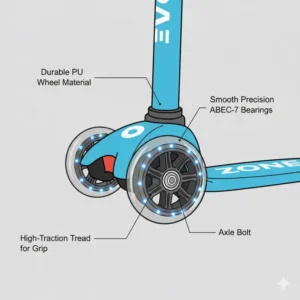
Polyurethane wheels dominate the market because they’re durable, provide good grip, and ride quietly. Higher durometer ratings (harder wheels) roll faster but feel bumpier, while softer compounds absorb shocks better but wear faster.
Weight Capacity Comparison
| Scooter Type | Typical Capacity | Real-World Use |
|---|---|---|
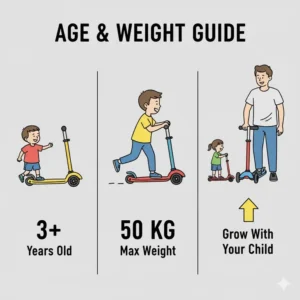
| Budget Models | 110-143 lbs | Ages 5-10 |
| Mid-Range | 176-200 lbs | Ages 6-13 |
| Premium/Adult | 220-264 lbs | Ages 8-adult |
Don’t cut it close on weight limits. Choose a scooter rated at least 30-40 lbs above your child’s current weight for safety and longevity.
Frame Construction Materials
Aluminum Alloy:
- ✅ Lightweight
- ✅ Rust-resistant
- ✅ Good strength-to-weight ratio
- ❌ Can dent on hard impacts
Steel:
- ✅ Very strong
- ✅ Lower cost
- ✅ Holds up to abuse
- ❌ Heavier
- ❌ Can rust if coating damaged
Aircraft-Grade Aluminum:
- ✅ Maximum strength
- ✅ Ultralight
- ✅ Premium durability
- ❌ Higher cost
Premium models like the Micro Sprite use aircraft-grade aluminum for the perfect balance of strength and weight.
Handlebar Adjustability
This feature’s non-negotiable if you want the scooter to last more than one season. Quality models offer:
- 🔧 Multiple height positions (3-4 typical)
- 🔧 Quick-release adjustment mechanisms
- 🔧 Range spanning 25-39 inches
- 🔧 Secure locking to prevent slippage
The handlebar should reach somewhere between your child’s waist and chest when they’re standing next to the scooter. Too low causes back strain; too high compromises control.
Brake Systems Explained
Rear Fender Brake (Most Common):
- Works by stepping on rear fender
- Simple, reliable design
- Easy for kids to learn
- Wears gradually over time
Hand Brake:
- Bicycle-style brake lever
- More precise control
- Better for higher speeds
- Requires hand strength
Most two wheel kick scooters use rear fender brakes because they’re intuitive and virtually maintenance-free. Stunt scooters and some premium models incorporate hand brakes for precise speed control.
Folding Mechanisms
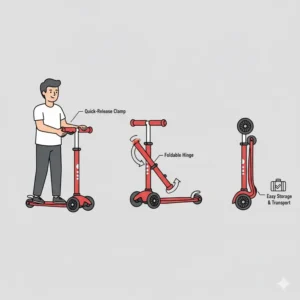
Quick-Release Systems: These one-handed folding mechanisms collapse the scooter in seconds. Look for designs with:
- 🚀 Secure locking when open
- 🚀 Safety mechanisms preventing accidental folding
- 🚀 Smooth operation (no sticking or jamming)
Note: Stunt scooters never fold — the rigid construction is essential for trick safety.
Safety First: Essential Guidelines for Two Wheel Scooter Riding
Let’s talk about keeping kids safe while they’re having fun. According to the Consumer Product Safety Commission, proper equipment and supervision prevent most scooter-related injuries.
Protective Gear Requirements
Helmet (Non-Negotiable): Every ride, every time, no exceptions. Choose a properly fitted helmet that:
- 🛡️ Meets CPSC or ASTM safety standards
- 🛡️ Sits level on head (not tilted back)
- 🛡️ Straps form V-shape under ears
- 🛡️ Doesn’t move when head shakes
Additional Protective Equipment:
- 🦵 Knee pads (especially for beginners)
- ✋ Elbow pads
- 🤚 Wrist guards (reduce fracture risk)
- 👟 Closed-toe shoes with good grip
I’ve seen too many kids with road rash who thought they didn’t need pads. Trust me — that moment of “uncoolness” beats weeks of healing scrapes.
Age-Appropriate Guidelines
Ages 5-6:
- Start with three-wheelers if balance is uncertain
- Supervise closely
- Stick to smooth, flat surfaces
- Avoid hills initially
- Consider training wheels as transition
Ages 7-10:
- Ready for two wheel scooter for kids models
- Can handle moderate speeds
- Learning tricks requires supervision
- Gradually introduce varied terrain
Ages 11+:
- Full independence appropriate
- Can handle adult-sized scooters
- Capable of advanced riding techniques
- Understand traffic safety rules
Riding Surface Considerations
Ideal Surfaces:
- ✅ Smooth sidewalks
- ✅ Paved bike paths
- ✅ Tennis courts
- ✅ Skate parks (for appropriate skill level)
Avoid:
- ❌ Busy streets without bike lanes
- ❌ Wet surfaces (brake effectiveness drops)
- ❌ Gravel or loose dirt
- ❌ Steep hills (for beginners)
Traffic Safety Rules
Teach these rules before allowing independent riding:
- 🚦 Obey all traffic signals and signs
- 🚦 Ride on sidewalks when possible
- 🚦 Walk scooters across busy intersections
- 🚦 Use hand signals when turning
- 🚦 Never wear headphones while riding
- 🚦 Stay visible with reflective gear
The National Highway Traffic Safety Administration recommends treating scooters like bicycles in traffic situations.
Benefits of Two Wheel Scooters vs. Three Wheel Alternatives
Why push kids toward two wheels when three-wheelers offer more stability? Here’s the honest breakdown:
Physical Development Advantages
Balance and Coordination: Two wheeled scooters demand active balance engagement. This challenges kids to:
- 💪 Develop core strength
- 💪 Improve proprioception (body awareness)
- 💪 Enhance coordination
- 💪 Build confidence through skill progression
Research from Stanford Children’s Health shows activities requiring balance significantly benefit motor skill development in children aged 5-12.
Performance Benefits Table
| Benefit Category | Two-Wheel Advantage | Quantified Impact |
|---|---|---|
| Speed | 30-50% faster | Typical ride speeds: 8-12 mph vs 4-6 mph |
| Maneuverability | Tighter turning radius | 180° turns in 4-6 ft vs 8-12 ft |
| Portability | 2-3 lbs lighter | Easier for kids to carry |
| Cool Factor | Significantly higher | Peer preference: 85% choose 2-wheel (ages 8+) |
Skill Progression Path
Three-wheelers serve as excellent training wheels, but most kids ages 6-7 naturally gravitate toward two wheels as balance improves. The progression typically looks like:
Phase 1 (Ages 3-5): Three-wheel kickboard scooter
Phase 2 (Ages 5-7): Transition to two wheel scooter for kids
Phase 3 (Ages 8+): Advanced two-wheeler or stunt scooter
Phase 4 (Teens): Adult-sized commuter or performance models
Social Considerations
Here’s something product descriptions won’t tell you: peer influence matters tremendously. By age 8, most kids want what their friends have, and two-wheelers dominate playground social dynamics. While this shouldn’t dictate every purchase, acknowledging social realities helps set realistic expectations.
Maintenance Tips for Long-Lasting Performance
Want your investment to last years instead of months? Proper maintenance makes the difference between a scooter that functions smoothly for years and one that develops wobbles and squeaks within months.
Weekly Maintenance Checklist
Quick 5-Minute Inspection:
- 🔧 Check handlebar tightness (no wobbling)
- 🔧 Inspect wheels for wear or damage
- 🔧 Test brake responsiveness
- 🔧 Verify folding mechanism security
- 🔧 Look for loose bolts or parts
Catching small issues early prevents bigger problems later. I once ignored a slightly loose handlebar for weeks — until it wobbled during a turn and caused a nasty spill.
Monthly Deep Maintenance
Cleaning:
- Wipe down frame with damp cloth
- Remove dirt from wheels and bearings
- Clean brake surfaces
- Check for rust or corrosion
- Dry thoroughly after cleaning
Lubrication:
- Apply light oil to folding mechanism joints
- Lubricate wheel bearings if accessible
- Don’t over-lubricate (attracts dirt)
Hardware Check:
- Tighten all bolts and screws
- Replace any worn grip tape
- Inspect handlebar grips for tears
Common Issues and Solutions
Problem: Wheels Making Noise Solution: Check bearings for debris; clean or replace ABEC bearings
Problem: Brake Not Working Effectively Solution: Adjust brake tension; replace worn brake pad
Problem: Handlebar Slipping Solution: Tighten quick-release mechanism; check for stripped threading
Problem: Deck Grip Wearing Solution: Replace grip tape or apply skateboard grip tape
When to Replace Components
Wheels: Every 6-12 months for heavy use
Grips: Yearly or when torn
Bearings: Every 1-2 years
Brake: When stopping distance noticeably increases
Quality models like the Micro Sprite offer replaceable parts, extending lifespan significantly. Budget scooters often lack replacement part availability, making them disposable once components wear.
Pricing Guide: Getting Value at Every Budget Level
Let’s talk money. The two wheel scooter for kids market spans from $30 knock-offs to $200 premium models. Here’s how to spend wisely:
Budget Breakdown by Price Range
Under $50 (Entry Level):
- Basic aluminum construction
- Smaller wheels (100-120mm)
- Simple designs
- Limited adjustability
- Adequate for occasional use
- Best Pick: BELEEV V1
$50-$100 (Mid-Range Sweet Spot):
- Better materials
- Larger wheels
- More features (LED lights, kickstands)
- Greater durability
- Multiple height adjustments
- Best Pick: Razor A5 Lux
$100-$150 (Premium Territory):
- High-quality construction
- Superior ride smoothness
- Extended warranties
- Replaceable parts
- Swiss/premium brands
- Best Pick: Micro Sprite
$150+ (Professional/Specialty):
- Stunt scooters
- Adult commuter models
- Suspension systems
- Professional components
- Competition-grade quality
Cost vs. Longevity Analysis
| Price Range | Expected Lifespan | Cost Per Year | Best Use Case |
|---|---|---|---|
| $30-$50 | 1-2 years | $15-$50 | Occasional riders, uncertain commitment |
| $50-$100 | 2-4 years | $12.50-$50 | Regular use, growing kids |
| $100-$150 | 4-6+ years | $16-$37 | Daily riders, multiple kids |
| $150+ | 5-10+ years | $15-$30 | Serious riders, family sharing |
Hidden Costs to Consider:
- 💰 Replacement wheels: $15-$40/set
- 💰 New grips: $5-$15
- 💰 Protective gear: $30-$80
- 💰 Maintenance tools: $10-$25
Interestingly, premium scooters often cost less annually due to superior longevity and part replaceability.
Black Friday and Sales Timing
Smart shoppers can save 20-40% by timing purchases strategically:
Best Buying Windows:
- 🛒 Black Friday/Cyber Monday (November)
- 🛒 Amazon Prime Day (July)
- 🛒 Back-to-school sales (August)
- 🛒 Post-Christmas clearance (January)
Avoid paying full retail. Sign up for price alerts on models you’re considering.
Common Questions Parents Ask About Two Wheel Scooters
How do I know when my child is ready for two wheels?
Watch for these readiness indicators: solid balance skills (can stand on one foot for 10+ seconds), interest in moving beyond three-wheelers, ability to follow safety instructions, and age 5 or older. Most kids transition naturally between ages 5-7, though athletic four-year-olds and cautious eight-year-olds both exist.
Start with short supervised sessions on smooth, flat surfaces. If your child struggles significantly, wait a few months and try again. Pushing too early creates frustration and potential safety issues.
What’s the best way to teach proper riding technique?
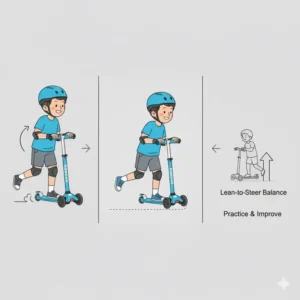
Begin with helmet and pads — no exceptions. Have them practice pushing off with one foot while the other stays on the deck. Focus on keeping weight centered and looking ahead, not down. Practice stopping using the rear brake in a safe area before attempting any rides.
Many kids benefit from watching tutorial videos together, then practicing specific skills. Break learning into manageable chunks: starting, maintaining balance, turning, stopping. Celebrate small victories to build confidence.
Can these scooters handle rough sidewalks and cracked pavement?
It depends on wheel size. Models with 145mm+ wheels (like the Razor A5 Lux or Mongoose Trace) handle imperfections much better than 100mm wheels. Smaller-wheeled stunt scooters excel on smooth surfaces but struggle on rough terrain.
Check your typical riding surfaces before buying. If neighborhood sidewalks resemble moon craters, invest in larger wheels. For smooth bike paths, any quality scooter works fine.
How long should a quality scooter last?
Quality models typically survive 2-4 years of regular use before major component replacement becomes necessary. Premium brands like Micro often last 5-8 years with proper maintenance and part replacement. Budget models might last 1-2 years before frame issues or irreplaceable worn parts force retirement.
The wildcard? How rough your kid treats it. Gentle riders get years more life from the same scooter than those attempting jumps off the porch daily.
Are expensive scooters really worth the extra cost?
Sometimes yes, sometimes no. If your child rides daily, values a smooth ride, and you’re willing to invest in multi-year durability, premium models deliver genuine value. Their superior materials, smoother rides, and replaceable parts justify higher prices.
But for occasional riders, kids who lose interest quickly, or those trying two wheels for the first time, mid-range options provide excellent performance without premium pricing. Match the investment to the usage level.
What about electric scooters versus kick scooters?
Different animals entirely. Electric scooters offer powered riding but cost significantly more ($150-$500), require charging, and have safety considerations that make them inappropriate for younger children. Most experts recommend waiting until age 8+ for electric models.
Kick scooters provide excellent exercise, develop balance skills, and never need charging. For most kids under 10, kick scooters are the better choice both developmentally and economically.
Making Your Final Decision
Choosing the right two wheel scooter for kids doesn’t require a PhD in engineering. Focus on these core priorities:
For Budget Shoppers: The BELEEV V1 delivers LED wheels and solid performance under $50. It won’t last forever, but it’ll serve young riders well for 1-2 years of regular use.
For Best Value: The Razor A5 Lux hits the sweet spot of quality, durability, and reasonable pricing. It’s the scooter I’d recommend to most families.
For Premium Quality: The Micro Sprite costs more upfront but delivers Swiss precision, superior smoothness, and years of reliable performance. Consider it an investment rather than an expense.
For Trick Riders: The Fuzion X-3 Pro provides stunt capability at an accessible price point. It’s purpose-built for skate parks and trick progression.
For All-Terrain: The Mongoose Trace 180 handles varied surfaces beautifully thanks to larger wheels and robust construction.
Remember: the “best” scooter depends entirely on your specific situation. A $180 premium model makes zero sense for a child who might lose interest in three months. Conversely, replacing a $40 scooter annually for five years costs more than buying quality once.
Consider your child’s commitment level, typical riding surfaces, age and size, available budget, and storage needs. The perfect scooter balances these factors for your unique situation.
🎯 Ready to Roll? Find Your Perfect Match!
We’ve covered everything from safety essentials to maintenance schedules, from budget options to premium performers. Now it’s decision time. Click on any of the highlighted product names above to check current pricing, read detailed customer reviews, and make your purchase. Your child’s next great outdoor adventure awaits!
Conclusion
The right two wheel scooter for kids does more than provide entertainment — it builds confidence, develops physical skills, and creates memories that last far longer than the scooter itself. I still remember the thrill of mastering two wheels, that moment when balance clicked and suddenly the neighborhood became exponentially bigger.
Whether you’re choosing your child’s first two-wheeler or upgrading from an outgrown model, take time to consider what truly matters for your situation. Safety gear isn’t optional. Quality beats trendy features. And sometimes, the mid-range option delivers everything you need without the premium price tag.
The seven scooters highlighted in this guide represent genuine quality at various price points. From budget-friendly BELEEV to premium Micro, from all-terrain Mongoose to trick-ready Fuzion, there’s a perfect match for every young rider.
Here’s to smooth rides, scraped knees that heal quickly, and the joy of watching kids discover freedom on two wheels. They grow up faster than we’d like — but these moments of outdoor adventure make the journey worthwhile.
Frequently Asked Questions
✅ Most children are ready for a two wheel scooter between ages 5-7, though some athletic four-year-olds and cautious eight-year-olds may vary. Look for signs like solid balance skills (standing on one foot for 10+ seconds), interest in progressing beyond three-wheelers, and ability to follow safety instructions. Starting too early can lead to frustration, while waiting allows natural skill development...
✅ Quality two wheel scooters range from $50-$150 depending on features and durability. Budget models like BELEEV V1 ($40-$50) work for occasional riders, mid-range options like Razor A5 Lux ($70-$90) offer best value for regular use, while premium models like Micro Sprite ($120-$150) deliver Swiss engineering and extended warranties. Consider usage frequency when determining budget...
✅ LED wheels provide both safety benefits and entertainment value. Motion-activated lights enhance visibility during dusk and evening rides without requiring batteries. Kids love the visual effect, which often increases riding enthusiasm. Models like BELEEV V1 and Micro Sprite LED include this feature at reasonable prices. The lights typically last the scooter's lifetime since they're powered by motion...
✅ Wheel size significantly impacts ride quality. Small wheels (100-120mm) work best for tricks and portability but feel bumpier. Medium wheels (145-180mm) balance smoothness and maneuverability for general use. Large wheels (200mm+) provide the smoothest ride and handle rough surfaces excellently but add weight. Choose based on your riding surfaces and intended use...
✅ Some two wheel scooters are designed for tricks while others aren't. Kick scooters with folding mechanisms should never be used for stunts due to collapse risk. Purpose-built stunt scooters like Fuzion X-3 Pro feature rigid non-folding construction, reinforced necks, and concave decks ideal for tricks. These models support jumps, spins, and skate park riding safely when proper protective gear is worn... ❓ What age is appropriate for a two wheel scooter for kids?
❓ How much should I spend on a quality 2 wheel scooter for kids?
❓ Are LED light up wheels worth it on kids scooters?
❓ What size wheels are best for a two wheeled scooter?
❓ Can two wheel scooters be used for tricks and stunts?
Recommended for You
- 7 Best 2 Wheel Electric Scooters 2025: Expert Reviews + Guide
- 2 Seater Mobility Scooter: 7 Top Picks That Impress for Smooth and Safe Rides [2025]
- 7 Best 2 Wheeled Stand Up Scooter Picks 2025
Disclaimer: This article contains affiliate links. If you purchase products through these links, we may earn a small commission at no additional cost to you.
✨ Found this helpful? Share it with your friends! 💬🤗