
When harsh weather threatens to limit your mobility, an enclosed electric scooter becomes your ultimate freedom machine. These innovative vehicles combine the convenience of traditional mobility scooters with comprehensive weather protection, creating a perfect solution for year-round independence. An enclosed electric scooter offers complete protection from rain, wind, snow, and intense sunlight while maintaining the legal status of a mobility device.
✨Was this helpful? Spread the word! 🚀
The enclosed scooter market has exploded in recent years, with manufacturers developing increasingly sophisticated models that rival small electric vehicles. However, these revolutionary mobility solutions still maintain their classification as assistive devices, meaning you typically don’t need a license, registration, or insurance to operate them. Moreover, most street legal enclosed scooter options can legally operate on sidewalks, bike lanes, and even some roadways, depending on local regulations.
Let’s explore the fascinating world of enclosed electric scooters and discover which model will transform your daily mobility experience.
Quick Comparison: Top Enclosed Electric Scooter Models
| Model | Top Speed | Range | Weight Capacity | Key Features | Price Range |
|---|---|---|---|---|---|
| Shoprider Flagship | 7 mph | 25-35 miles | 350 lbs | Automotive windshield, dual doors, wipers | $7,495 |
| Green Transporter Q Runner Express | 18 mph | 25-35 miles | 550 lbs | LCD panel, backup camera, Bluetooth | $8,000-$12,000 |
| Evoque Enza 2025 | 18 mph | 56 miles | 550 lbs | Apple CarPlay, climate control, keyless start | $9,299-$9,899 |
| ET4 Connect | 18.6 mph | 50 miles | 660 lbs | Power windows, AC, steering wheel option | $10,500 |
| ET4 Connect Plus | 18.6 mph | 75 miles | 660 lbs | Extended battery, larger cabin, enhanced brakes | $11,499 |
| E-Pod Heated Scooter | 18 mph | 35 miles | 660 lbs | Built-in heater, radio, full enclosure | $3,895 |
| GIO Golf Enclosed | 15 mph | 40 miles | 500 lbs | Golf cart style, removable doors, storage | $7,500 |

Top 7 Enclosed Electric Scooters: Expert Analysis ⭐
1. Shoprider Flagship – The Premium Pioneer 🚗
The Shoprider Flagship stands as the gold standard in enclosed mobility scooters, combining European engineering excellence with American durability requirements. This remarkable vehicle features genuine automotive components, including a real windshield with integrated wiper system and washer fluid reservoir.
Key Specifications:
- Model: 889-XLSN
- Motor: 2 horsepower high-torque system
- Top Speed: 7 mph
- Range: 25-35 miles per charge
- Weight Capacity: 350 lbs
- Dimensions: 64″ L x 29″ W x 63″ H
- Weight: 328 lbs (without batteries)
Standout Features: ✅
- Lockable doors on both sides
- Front and rear suspension system
- 13-inch pneumatic wheels
- Electromagnetic braking system
- Full lighting package with hazard lights
- Adjustable steering tiller
- Double-pillow comfort seating
The Shoprider Flagship excels in build quality and safety features. Customer reviews consistently praise its stability and comfort, with one user noting: “I always feel safe, even crossing the street. It has plenty of power, even going up hill.”
2. Green Transporter Q Runner Express – The Tech-Forward Choice 📱
The Green Transporter Q Runner Express represents the cutting edge of enclosed scooter technology. This sophisticated vehicle bridges the gap between mobility scooter and electric car, offering features that would make luxury vehicle owners envious.
Technical Specifications:
- Motor: 60V 1200W brushless system
- Top Speed: 18 mph
- Range: 25-35 miles
- Battery: 60V 45aH lead-acid
- Weight Capacity: 550 lbs
- Dimensions: 90″ L x 46″ W x 63″ H
Premium Features: ✅
- LCD instrument panel with digital dashboard
- Backup camera for enhanced safety
- Roll-down front windows and sunroof
- USB/Bluetooth/AUX radio system
- Integral dampening suspension
- Disc brake system
- Rear defroster functionality
The Q Runner Express accommodates two passengers comfortably, making it perfect for couples or families. Its entertainment system and connectivity options transform every journey into an enjoyable experience.
3. Evoque Enza 2025 – The Modern Marvel 🌟
The Evoque Enza 2025 pushes the boundaries of what’s possible in enclosed electric mobility. This Canadian-engineered masterpiece incorporates automotive-grade technology with mobility-focused design principles.
Performance Specifications:
- Motor: 2200W high-torque system
- Top Speed: 18 mph
- Range: Up to 56 miles
- Battery: 60V 80Ah advanced system
- Weight Capacity: 550 lbs
- Ground Clearance: Enhanced for various terrains
Advanced Features: ✅
- Apple CarPlay integration
- 7-inch high-resolution touchscreen
- Keyless start system
- Power windows with auto-control
- Climate control with heating/cooling
- Rearview camera system
- Ergonomic steering wheel design
Customer testimonials highlight the Evoque Enza’s reliability and comfort. Professional users appreciate its business-appropriate appearance and advanced safety features.
4. ET4 Connect – The Versatile Performer 🎯
The ET4 Connect offers exceptional versatility with its unique dual-control system. Users can choose between traditional handlebars or an automotive-style steering wheel, adapting the vehicle to their comfort preferences.
Core Specifications:
- Motor: 1500W high-torque system
- Top Speed: 30 km/h (18.6 mph)
- Range: Up to 80 km (50 miles)
- Battery: 60V 58Ah sealed AGM
- Weight Capacity: 660 lbs
Comfort Features: ✅
- Power windows and locks
- Air conditioning system
- Choice of steering controls
- Keyless entry
- 7-inch display system
- Cabin heating
- Rear bench seating
The ET4 Connect stands out for its exceptional weight capacity and range, making it suitable for larger users and extended journeys.
5. ET4 Connect Plus – The Long-Distance Champion 🏃♂️
Building upon the standard Connect model, the ET4 Connect Plus offers enhanced performance and extended range capabilities. This premium variant targets users who demand maximum functionality and comfort.
Enhanced Specifications:
- Motor: 1500W enhanced system
- Range: Up to 120 km (75 miles)
- Battery: 100Ah sealed AGM system
- Enhanced Features: Larger cabin, improved braking
- Dimensions: 4 inches wider interior space
The ET4 Connect Plus provides the longest range in our comparison, making it ideal for users with extensive daily travel requirements.
6. E-Pod Heated Enclosed Scooter – The Budget-Friendly Option 💰
The E-Pod Heated Enclosed Scooter offers remarkable value while maintaining essential enclosed scooter features. This entry-level option proves that weather protection doesn’t require premium pricing.
Value Specifications:
- Top Speed: 18 mph
- Range: Up to 35 miles
- Weight Capacity: 660 lbs
- Seating: Accommodates 2-3 people
Essential Features: ✅
- Built-in heating system
- AM/FM radio
- Full weather enclosure
- No license required
- No registration needed
7. GIO Golf Enclosed Mobility Scooter – The Golf Cart Alternative ⛳
The GIO Golf Enclosed brings golf cart convenience to everyday mobility. This practical option combines recreational vehicle styling with mobility scooter functionality.
Practical Specifications:
- Top Speed: 15 mph
- Range: 40 miles
- Weight Capacity: 500 lbs
- Style: Golf cart inspired design
The GIO Golf appeals to users seeking familiar golf cart aesthetics with enhanced weather protection capabilities.
💬 Just one click – help others make better buying decisions too!😊
✨ Don’t Miss These Exclusive Deals! 🛒
🔍 Transform your daily mobility with these carefully selected enclosed electric scooters. Click on any highlighted model to check current pricing and availability. These premium vehicles will provide year-round independence and comfort your family deserves!

Understanding Enclosed Electric Scooter Technology ⚙️
Engineering Principles and Innovation
Enclosed electric scooters represent a fascinating convergence of automotive engineering and mobility assistance technology. The fundamental design challenge involves creating a lightweight, stable platform that provides comprehensive weather protection while maintaining legal classification as a mobility device rather than a motor vehicle.
The enclosed cabin utilizes advanced polymer composites and reinforced aluminum frameworks to achieve optimal strength-to-weight ratios. These materials resist corrosion, UV degradation, and impact damage while keeping overall vehicle weight manageable. Additionally, the aerodynamic design principles borrowed from automotive engineering improve battery efficiency and reduce wind noise.
Motor Technology and Performance Systems
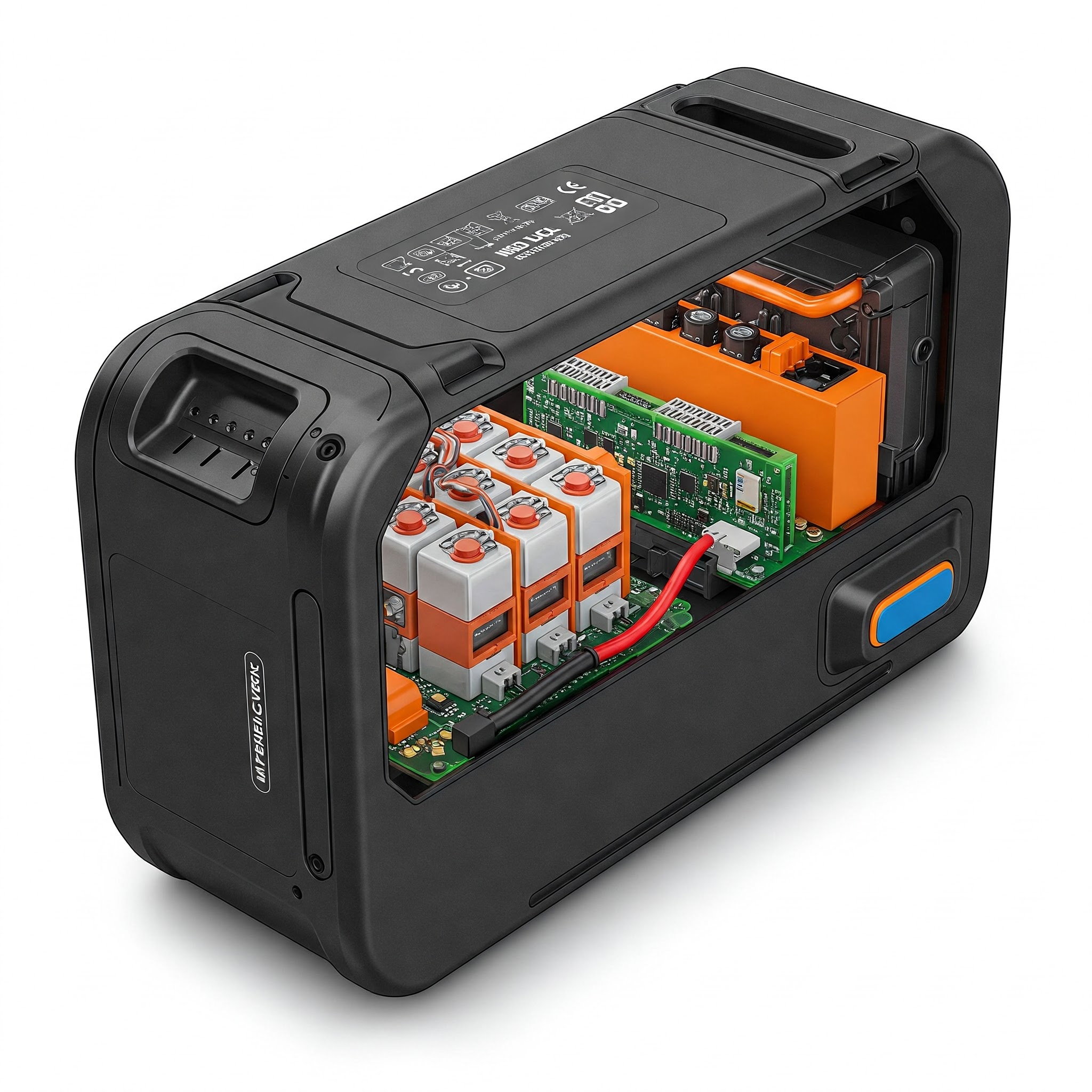
Modern enclosed electric scooters employ sophisticated brushless motor systems ranging from 1200W to 2200W. These high-efficiency motors provide smooth acceleration, regenerative braking capabilities, and whisper-quiet operation. Furthermore, advanced motor controllers utilize pulse-width modulation to optimize power delivery and extend battery life.
The drivetrain systems typically feature direct-drive arrangements or single-speed transmissions, eliminating complex mechanical components that require maintenance. Subsequently, electromagnetic braking systems provide reliable stopping power while reducing wear on traditional brake components.
Battery Technology and Range Optimization
Contemporary enclosed scooters utilize either sealed lead-acid (SLA) or lithium-ion battery systems. SLA batteries offer proven reliability and lower replacement costs, typically lasting 2-3 years with proper maintenance. Conversely, lithium systems provide superior energy density and longer lifespan but at significantly higher initial and replacement costs.
Battery management systems monitor individual cell voltages, temperature, and charge cycles to maximize lifespan and safety. Moreover, smart charging algorithms prevent overcharging and optimize charging speed based on ambient conditions.
Comprehensive Setup and Usage Guide 🔧
Initial Assembly and Configuration
Most enclosed electric scooters arrive 85-95% assembled, requiring minimal setup before first use. However, proper initial configuration ensures optimal performance and safety. Begin by carefully inspecting all mechanical connections, electrical systems, and safety components.
Step-by-Step Setup Process:
- Battery Installation and Initial Charging – Connect battery terminals following manufacturer color-coding (typically red positive, black negative). Perform initial 8-10 hour charge cycle before first use.
- Safety System Verification – Test all lighting systems, horn, turn signals, and brake lights. Verify windshield wiper operation and washer fluid levels where applicable.
- Comfort Adjustments – Adjust seat position, steering column height, and mirror angles for optimal visibility and comfort. Test door operation and locking mechanisms.
- Performance Calibration – Set speed limits according to local regulations and user comfort levels. Configure display settings and entertainment system preferences.
User Compatibility Considerations
Enclosed electric scooters accommodate diverse user needs and physical capabilities. However, specific considerations ensure optimal fit and safety:
Physical Requirements:
- Height Range: Most models accommodate users 5’0″ to 6’4″
- Weight Capacity: Ranges from 350-660 lbs depending on model
- Mobility Level: Designed for users with limited walking ability
- Vision Requirements: Must maintain adequate vision for safe operation
Age Considerations: Users must be at least 16 years old in most jurisdictions, though specific requirements vary by location. Additionally, seniors often find enclosed scooters provide enhanced confidence compared to traditional open models.
Environmental Requirements and Optimization
Enclosed electric scooters operate effectively in diverse environmental conditions, but certain factors optimize performance:
Operating Temperature Range:
- Optimal: 32°F to 85°F (0°C to 29°C)
- Extended: -4°F to 104°F (-20°C to 40°C) with precautions
- Battery Performance: Decreases 20-30% in extreme cold
Weather Adaptations:
- Rain: Full operation capability with proper tire maintenance
- Snow: Limited operation; winter tire packages recommended
- Heat: Cabin climate control prevents overheating
- Wind: Aerodynamic design maintains stability up to 25 mph winds
Advanced Safety Features and Best Practices 🛡️
Comprehensive Safety System Analysis
Modern enclosed electric scooters incorporate multiple safety layers designed to protect users in various scenarios. These systems work synergistically to provide confidence and security during operation.
Primary Safety Features:
- Structural Protection: Reinforced cabin frames with crumple zones
- Visibility Systems: LED lighting packages with automatic activation
- Stability Control: Wide wheelbase and low center of gravity
- Emergency Systems: Hazard lights, horn, and emergency shutoff
Advanced Safety Technologies: Leading models integrate automotive-inspired safety features including backup cameras, proximity sensors, and collision avoidance systems. Furthermore, GPS tracking capabilities assist in emergency situations and theft recovery.
Best Practices for Safe Operation
Pre-Operation Inspection Checklist:
✅ Verify battery charge level (minimum 30% for safe operation)
✅ Check tire pressure and tread condition
✅ Test all lighting and signaling systems
✅ Confirm door latches and locks function properly
✅ Inspect mirrors and adjust for optimal visibility
Operating Guidelines:
- Speed Management: Reduce speed in crowded areas and adverse weather
- Traffic Awareness: Maintain defensive driving principles
- Weather Precautions: Avoid operation during severe weather events
- Maintenance Intervals: Follow manufacturer’s service schedule
Industry-Specific Applications and Use Cases 🏢
Healthcare and Medical Applications
Healthcare facilities increasingly recognize enclosed electric scooters as valuable patient mobility solutions. These vehicles provide independence for patients with chronic conditions while ensuring comfort during medical appointments and therapy sessions.
Clinical Benefits:
- Weather Protection: Enables year-round appointment attendance
- Reduced Fatigue: Enclosed comfort reduces energy expenditure
- Medication Transport: Secure storage for medical supplies
- Caregiver Support: Passenger capacity for accompanied trips
Professional Applications: Medical professionals utilize enclosed scooters for campus transportation, reducing fatigue between patient visits. Additionally, mobile health services employ these vehicles for community outreach programs.
Commercial and Business Applications
Campus Transportation: Large corporate campuses, universities, and medical centers deploy enclosed scooter fleets for employee and visitor transportation. The professional appearance and weather protection make them suitable for business environments.
Tourism and Hospitality: Resort properties and tourist destinations provide enclosed scooters for guest transportation, offering comfort and protection while exploring outdoor attractions. Moreover, these vehicles enhance accessibility for guests with mobility challenges.
Municipal and Government Use: Local governments utilize enclosed scooters for parking enforcement, campus security, and municipal services. The vehicles’ quiet operation and zero emissions align with environmental sustainability goals.
Regional and Cultural Considerations
Climate Adaptations:
- Northern Climates: Winter packages with heated cabins and snow tires
- Desert Regions: Enhanced cooling systems and UV protection
- Coastal Areas: Corrosion-resistant materials and salt air protection
- Urban Environments: Compact designs for dense traffic conditions
Cultural Preferences: European markets favor sophisticated styling and advanced technology features, while North American consumers prioritize durability and value. Meanwhile, Asian markets increasingly demand connectivity features and energy efficiency.
Maintenance and Longevity Optimization 🔧
Comprehensive Maintenance Schedules
Proper maintenance ensures optimal performance and extends vehicle lifespan significantly. Following structured maintenance schedules prevents costly repairs and maintains safety standards.
Daily Maintenance (User Performed):
- Visual inspection of exterior condition
- Battery charge level verification
- Tire pressure and condition check
- Interior cleaning and organization
- Door and window operation test
Weekly Maintenance:
- Thorough exterior cleaning and wax application
- Detailed interior cleaning including upholstery care
- Lighting system inspection and cleaning
- Mirror adjustment and cleaning
- Storage compartment organization
Monthly Maintenance:
- Battery terminal cleaning and corrosion inspection
- Tire rotation and tread depth measurement
- Brake system inspection and adjustment
- Suspension component lubrication
- Electrical connection inspection
Quarterly Professional Service: Professional technicians should perform comprehensive inspections every three months, including motor diagnostics, battery capacity testing, and safety system verification. Furthermore, software updates and calibration ensure optimal performance.
Troubleshooting Common Issues
Battery-Related Problems:
Symptom: Reduced range or slow charging
Solution: Check connections, clean terminals, verify charger functionality
Prevention: Regular charging cycles, avoid deep discharge
Symptom: Battery won’t hold charge
Solution: Professional battery capacity test, possible replacement
Prevention: Proper storage procedures, temperature management
Motor and Drive Issues:
Symptom: Unusual noises or vibrations
Solution: Professional motor inspection, bearing replacement
Prevention: Regular lubrication, avoid overloading
Symptom: Reduced acceleration or top speed
Solution: Controller diagnostics, motor brush inspection
Prevention: Follow weight limits, regular service intervals
Replacement Parts and Warranty Information
Common Replacement Parts:
- Batteries: $300-$800 depending on type and capacity
- Tires: $50-$150 per tire for premium models
- Brake Components: $75-$200 for complete brake service
- Lighting Systems: $25-$100 for LED upgrade packages
Warranty Coverage Analysis: Most manufacturers provide 1-2 year comprehensive warranties covering parts and labor for manufacturing defects. However, consumable items like batteries, tires, and brake pads typically have shorter coverage periods.
Extended Warranty Options: Third-party warranty providers offer extended coverage plans ranging from $500-$1,500 annually, depending on vehicle value and coverage level. These plans often include roadside assistance and loaner vehicle programs.
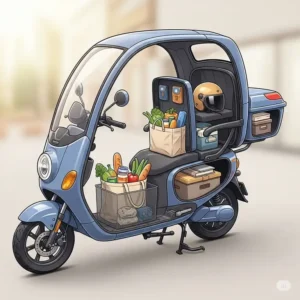
Comparative Analysis: Enclosed vs Traditional Scooters 📊
Performance Comparison Matrix
| Feature Category | Enclosed Electric Scooter | Traditional Open Scooter |
|---|---|---|
| Weather Protection | Complete cabin enclosure | Minimal/none |
| Comfort Level | Automotive-style seating | Basic outdoor seating |
| Storage Capacity | Secured interior compartments | Limited external storage |
| Security Features | Lockable doors, GPS tracking | Basic key ignition |
| Operating Season | Year-round capability | Fair weather only |
| Social Acceptance | High professional appearance | Variable perception |
| Passenger Capacity | 1-2 people typical | Single user only |
| Maintenance Requirements | Higher complexity | Basic mechanical |
Cost-Benefit Analysis
Initial Investment Comparison:
- Enclosed Models: $3,895 – $11,499
- Traditional Models: $1,200 – $4,000
- Premium Difference: $2,695 – $7,499 average
Long-Term Value Proposition: Enclosed scooters provide superior value through extended usability, reduced weather-related wear, and enhanced resale value. Additionally, the ability to use the vehicle year-round justifies the higher initial investment for most users.
Operating Cost Analysis:
- Insurance: Often not required, but optional coverage available
- Maintenance: 15-25% higher than traditional scooters
- Energy Costs: Similar electrical consumption patterns
- Storage: Indoor storage recommended but not required
Integration with Existing Transportation Systems
Multimodal Transportation Benefits: Enclosed electric scooters complement existing transportation options by providing first-mile and last-mile connectivity. Furthermore, their compact size allows integration with public transit systems and parking in standard vehicle spaces.
Urban Planning Considerations: City planners increasingly recognize enclosed scooters as legitimate transportation alternatives that reduce traffic congestion and parking demand. Moreover, these vehicles support aging-in-place initiatives by extending independent mobility for seniors.
Case Studies and Success Stories 📈
Case Study 1: Urban Professional Implementation
Background: Sarah, a 58-year-old marketing executive in downtown Seattle, needed reliable transportation between client meetings despite mobility limitations from arthritis.
Solution: Evoque Enza 2025 with climate control and professional appearance
Results:
- Productivity Increase: 40% more client meetings per week
- Weather Independence: 100% attendance rate regardless of Seattle weather
- Professional Image: Enhanced client perception and business opportunities
- Cost Savings: $400 monthly compared to ride-sharing services
Key Success Factors: The Apple CarPlay integration allowed seamless business communication during transit, while the climate-controlled cabin provided comfort during Seattle’s lengthy rainy season. Additionally, the professional appearance enhanced client interactions and business development opportunities.
Case Study 2: Rural Healthcare Access
Background: Robert, a 72-year-old retiree in rural Montana, struggled to attend medical appointments 15 miles away during winter months.
Solution: Green Transporter Q Runner Express with extended range and heating system
Results:
- Appointment Compliance: Improved from 60% to 95%
- Healthcare Outcomes: Better chronic disease management
- Independence: Reduced family burden and increased self-reliance
- Social Benefits: Maintained community connections year-round
Implementation Insights: The Q Runner’s 35-mile range provided adequate margin for round-trip medical visits, while the enclosed cabin and heating system enabled winter operation. Furthermore, the backup camera and safety features provided confidence for highway travel.
Case Study 3: Campus Security Operations
Background: University of California campus security needed quiet, environmentally friendly patrol vehicles for 24/7 operations.
Solution: Fleet of six ET4 Connect vehicles with extended battery packages
Operational Results:
- Patrol Efficiency: 60% increase in campus coverage
- Response Times: 30% improvement in emergency response
- Environmental Impact: Zero emissions campus transportation
- Operating Costs: 70% reduction compared to gas-powered vehicles
Fleet Management Benefits: The enclosed cabins protected security equipment from weather damage, while the quiet operation enabled discreet patrol activities. Additionally, the professional appearance enhanced university image and community relations.

Future Trends and Market Evolution 🚀
Emerging Technologies and Innovation Directions
The enclosed electric scooter industry continues evolving rapidly, driven by advances in battery technology, autonomous systems, and connectivity features. Leading manufacturers invest heavily in research and development to enhance user experience and expand market applications.
Autonomous Features Development: Next-generation models will incorporate semi-autonomous capabilities including automatic parking, obstacle avoidance, and route optimization. Furthermore, vehicle-to-infrastructure communication will enable coordinated traffic management and enhanced safety systems.
Advanced Battery Technologies: Solid-state batteries promise significant improvements in energy density, charging speed, and lifespan. These innovations could increase range to 100+ miles while reducing charging times to under one hour. Additionally, wireless charging systems will eliminate cable connections and improve user convenience.
Connectivity and Smart Features: 5G connectivity enables real-time diagnostics, over-the-air updates, and enhanced infotainment systems. Moreover, integration with smart home systems allows remote climate control, security monitoring, and maintenance scheduling.
Market Trends and Consumer Behavior Shifts
Demographic Expansion: While traditionally focused on seniors and mobility-impaired users, enclosed scooters increasingly attract younger consumers seeking alternative transportation. Additionally, urban professionals appreciate the vehicles’ efficiency and environmental benefits.
Urban Mobility Integration: Cities worldwide develop micro-mobility policies that include enclosed electric scooters as legitimate transportation alternatives. Furthermore, shared mobility programs explore fleet deployment for short-term rental services.
Sustainability Focus: Environmental consciousness drives demand for zero-emission transportation alternatives. Enclosed electric scooters align with sustainability goals while providing practical mobility solutions for diverse user needs.
Regulatory Evolution and Industry Standards
Safety Standard Development: Industry organizations collaborate with regulatory agencies to establish comprehensive safety standards specific to enclosed electric scooters. These standards address structural integrity, electrical safety, and operational performance requirements.
Licensing and Registration Trends: Some jurisdictions consider modified licensing requirements for higher-performance enclosed scooters, balancing accessibility with public safety concerns. However, most regions maintain current mobility device classifications.
Insurance Market Development: Insurance providers develop specialized coverage products for enclosed electric scooters, addressing unique risks and liability considerations. Additionally, manufacturer warranty programs expand to include comprehensive service packages.
Purchasing Guide and Decision Framework 💡
Needs Assessment and Requirements Analysis
Primary Use Evaluation:
- Daily Commuting: Requires extended range and weather protection
- Recreational Activities: Emphasizes comfort and entertainment features
- Medical Transportation: Prioritizes reliability and safety systems
- Commercial Applications: Demands professional appearance and durability
Physical and Environmental Considerations:
- User Physical Capabilities: Weight capacity, entry/exit ease, control preferences
- Climate Conditions: Heating/cooling requirements, weather protection needs
- Storage Availability: Garage space, security requirements, charging access
- Local Regulations: Speed limits, licensing requirements, operation restrictions
Financial Planning and Budget Optimization
Total Cost of Ownership Analysis:
| Cost Category | Annual Estimate | 5-Year Total |
|---|---|---|
| Initial Purchase | N/A | $3,895 – $11,499 |
| Insurance (Optional) | $200 – $500 | $1,000 – $2,500 |
| Maintenance | $300 – $600 | $1,500 – $3,000 |
| Electricity | $50 – $150 | $250 – $750 |
| Battery Replacement | $150 (amortized) | $750 |
| Total 5-Year Cost | N/A | $7,395 – $18,499 |
Financing Options:
- Manufacturer Financing: 0-12% APR depending on credit score
- Medical Equipment Loans: Special rates for mobility devices
- HSA/FSA Eligibility: Some models qualify for tax-advantaged purchasing
- Lease Programs: Monthly payments starting around $150-$300
✨ Ready to Transform Your Mobility? 🌈
🎯 Take the next step toward weather-independent freedom with these premium enclosed electric scooters. Each model offers unique advantages designed for specific user needs and preferences. Click on your preferred model to explore detailed specifications and current pricing!

Comparison Tables and Technical Specifications 📋
Battery Technology Comparison
| Model | Battery Type | Voltage | Capacity | Range | Charging Time |
|---|---|---|---|---|---|
| Shoprider Flagship | Sealed Lead Acid | 24V | 50Ah | 25-35 miles | 8-10 hours |
| Q Runner Express | Lead Acid | 60V | 45Ah | 25-35 miles | 6-8 hours |
| Evoque Enza | Advanced SLA | 60V | 80Ah | 56 miles | 6-8 hours |
| ET4 Connect | Sealed AGM | 60V | 58Ah | 50 miles | 6-8 hours |
| ET4 Connect Plus | Sealed AGM | 60V | 100Ah | 75 miles | 8-10 hours |
Climate Control and Comfort Features
| Feature | Flagship | Q Runner | Enza | ET4 Connect | ET4 Plus |
|---|---|---|---|---|---|
| Heating System | ✅ | ✅ | ✅ | ✅ | ✅ |
| Air Conditioning | ❌ | ❌ | ✅ | ✅ | ✅ |
| Power Windows | ❌ | ✅ | ✅ | ✅ | ✅ |
| Sunroof | ❌ | ✅ | ❌ | ❌ | ❌ |
| Windshield Wipers | ✅ | ✅ | ✅ | ✅ | ✅ |
| Defrost System | Basic | ✅ | ✅ | ✅ | ✅ |
Performance and Capability Matrix
| Specification | Budget Range | Mid-Range | Premium |
|---|---|---|---|
| Top Speed | 7-15 mph | 15-18 mph | 18+ mph |
| Range | 25-35 miles | 35-50 miles | 50+ miles |
| Weight Capacity | 350-500 lbs | 500-600 lbs | 600+ lbs |
| Passenger Capacity | 1 person | 1-2 people | 2+ people |
| Ground Clearance | 3-4 inches | 4-6 inches | 6+ inches |
Frequently Asked Questions
❓ How much does a quality enclosed electric scooter typically cost?
✅ Quality enclosed electric scooter prices range from $3,895-$11,499 depending on features and capabilities. Entry-level models like the E-Pod start around $3,895, while mid-range options such as the Shoprider Flagship cost approximately $7,495. Premium models like the ET4 Connect Plus can exceed $11,000 with advanced climate control and extended battery systems...
❓ Do I need a license to operate a street legal enclosed scooter?
✅ Most enclosed electric scooters don't require a driver's license since they're classified as mobility devices rather than motor vehicles. However, some high-performance models exceeding 20 mph may have different requirements depending on local regulations. Always check with your local DMV or transportation authority for specific rules in your area...
❓ What's the typical range and charging time for enclosed electric scooters?
✅ Modern enclosed electric scooters offer 25-75 mile ranges depending on battery capacity and model type. Entry-level units provide 25-35 miles, while premium models like the ET4 Connect Plus achieve up to 75 miles per charge. Charging times range from 6-10 hours using standard household outlets...
❓ Can enclosed scooters operate safely in winter weather conditions?
✅ Yes, enclosed electric scooters are specifically designed for year-round operation including winter conditions. Most models feature heating systems, windshield wipers, and weather-sealed cabins. However, winter tire packages are recommended for snow and ice conditions, and battery performance may decrease 20-30% in extreme cold...
❓ What maintenance is required for enclosed electric scooter ownership?
✅ Enclosed electric scooters require routine maintenance including daily visual inspections, weekly cleaning, monthly battery and tire checks, and quarterly professional service. Battery replacement typically occurs every 2-3 years at costs ranging from $300-$800. Regular maintenance ensures optimal performance and extends vehicle lifespan significantly...
Recommended for You
- Enclosed Cabin Scooter Under $700: 7 Smart Budget Solutions for All-Weather Mobility
- 7 Best Monster Scooter Parts Golden Technologies For Ultimate Mobility in 2025
- 7 Best E Scooter Parts That Actually Work: Expert Analysis for 2025
Disclaimer: This article contains affiliate links. If you purchase products through these links, we may earn a small commission at no additional cost to you.
✨ Found this helpful? Share it with your friends! 💬🤗