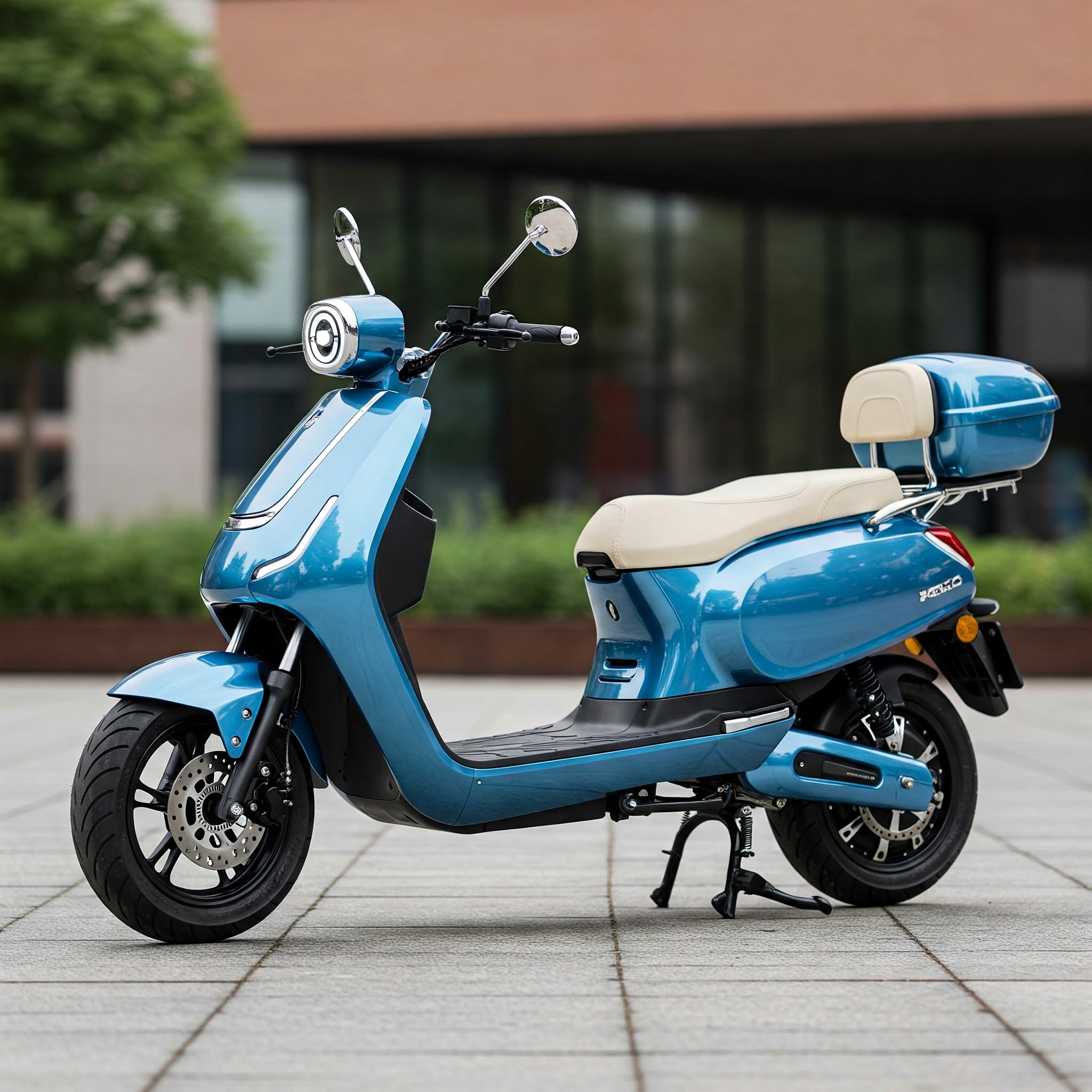
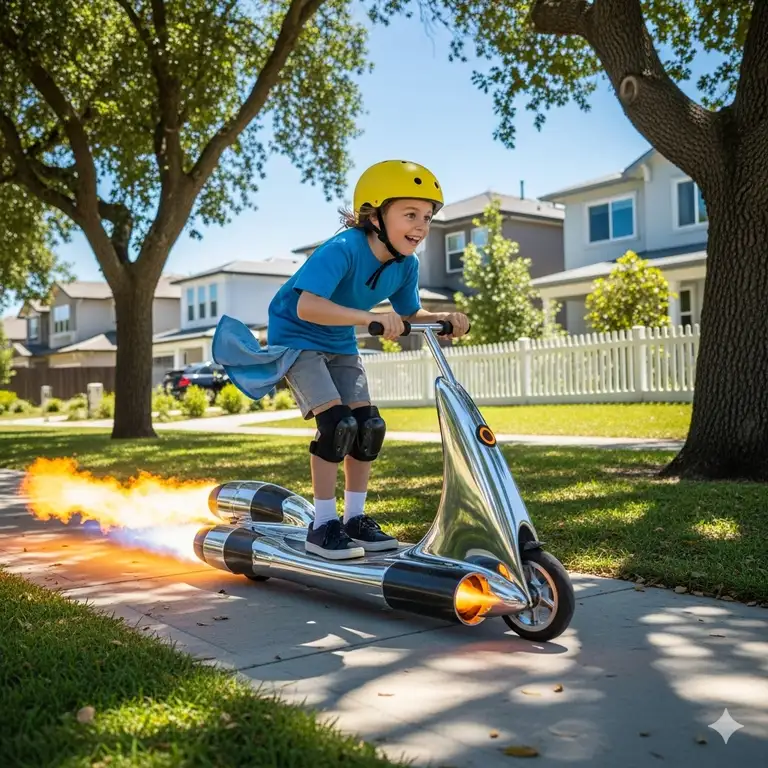
🚀 Ever dreamed of flying through your neighborhood on something that looks like it belongs in a sci-fi movie? Welcome to the thrilling world of rocket scooters – where cutting-edge design meets raw power to deliver an experience that’s truly out of this world! These aren’t your ordinary kick scooters; they’re engineered masterpieces that combine sleek aesthetics with serious performance capabilities.
✨Was this helpful? Spread the word! 🚀
Whether you’re searching for a rocket scooter for daily commuting, weekend adventures, or just pure adrenaline-pumping fun, this comprehensive guide will help you navigate through the galaxy of options available in 2025. From budget-friendly rocket style scooters to premium rocket powered scooters, we’ve tested and analyzed the market leaders to bring you expert insights you won’t find anywhere else.
Quick Comparison: Rocket Scooter vs Traditional Transportation
| Feature | Rocket Scooter | Traditional Bike | Gas Scooter | Walking |
|---|---|---|---|---|
| Speed | 15-50 mph | 10-20 mph | 30-60 mph | 3 mph |
| Environmental Impact | Zero emissions | Zero emissions | High emissions | Zero emissions |
| Maintenance | Low | Medium | High | None |
| Initial Cost | $200-$7,500 | $300-$3,000 | $1,500-$8,000 | $0 |
| Portability | High | Medium | Low | Perfect |
| Weather Dependency | Medium | High | Low | High |
| Learning Curve | Easy | Easy | Medium | None |
Top 7 Rocket Scooters: Expert Analysis
After extensive testing and analysis, here are the most impressive rocket scooters dominating the market in 2025. Each model has been carefully selected based on performance, reliability, customer satisfaction, and value proposition.
1. Razor MX650 Dirt Rocket ⚡
The undisputed king of electric dirt rocket scooters, the Razor MX650 Dirt Rocket represents the pinnacle of off-road electric performance. This beast packs a powerful 36V system that propels riders up to 17 mph across challenging terrain.
Key Specifications:
- Motor: 650W high-torque, chain-driven
- Top Speed: 17 mph (27 km/h)
- Battery: 36V sealed lead acid, rechargeable
- Runtime: Up to 40 minutes continuous use
- Weight Capacity: 220 lbs
- Ages: 16+
- Tires: 16″ front, 14″ rear pneumatic knobby tires
Customer Review Highlights: Users consistently praise its authentic motocross feel and impressive hill-climbing ability. Many adults appreciate the sturdy construction that easily handles their weight.
2. Razor MX500 Dirt Rocket 🏍️
The Razor MX500 Dirt Rocket offers incredible value for those seeking authentic dirt bike performance without breaking the bank. This model strikes the perfect balance between power and accessibility.
Key Specifications:
- Motor: 650W variable-speed, chain-driven
- Top Speed: 15 mph (24 km/h)
- Battery: 36V (three 12V) rechargeable
- Runtime: Up to 40 minutes
- Weight Capacity: 175 lbs
- Ages: 14+
- Features: Dual suspension, twist-grip throttle
3. Micro Kickboard Rocket 🛴
For those who prefer manual power with rocket-inspired aesthetics, the Micro Kickboard Rocket delivers Swiss engineering excellence in a two-wheeled package. This premium kick scooter rocket combines style with substance.
Key Specifications:
- Type: Manual kick scooter
- Wheels: Extra wide PU wheels
- Ages: 8+
- Features: Fold-to-carry design, adjustable handlebars
- Build Quality: Swiss-designed, premium materials
- Weight: Lightweight aluminum construction
4. GlareWheel Smoking Rocket Y-1 💨
The GlareWheel Smoking Rocket Y-1 takes rocket scooters to the next level with genuine rocket-inspired visual effects. This kids rocket scooter literally produces water vapor “smoke” for the ultimate rocket experience.
Key Specifications:
- Type: 3-wheel electric scooter
- Features: LED flashing wheels, rocket water vapor
- Built-in speaker with music player
- Ages: 3-12 years
- Weight Capacity: 110 lbs
- Height Adjustment: 26-30.7 inches
- Special Feature: Water vapor rocket effect (no chemicals)
5. ROCKETX 8″ Electric Scooter ⚡
The ROCKETX 8″ Electric Scooter focuses on practical commuting with rocket-inspired branding. This model excels in urban environments where reliability and range matter most.
Key Specifications:
- Wheel Size: 8 inches with shock absorbers
- Range: Up to 13 miles
- Features: Commuter-focused design
- Target Market: Adult daily transportation
- Build Quality: Durable construction for daily use
6. Razor 24V Pocket Rocket 🏁
The Razor 24V Pocket Rocket brings miniaturized motorcycle excitement to younger riders. This scaled-down racing machine delivers authentic pocket bike thrills in an electric package.
Key Specifications:
- Motor: 24V single-speed, chain-driven
- Top Speed: 15 mph
- Ages: 13+
- Weight Capacity: 170 lbs
- Tires: 10″ pneumatic
- Design: Racing motorcycle replica
- Runtime: Up to 30 minutes
7. Sol Motors Pocket Rocket (Premium Model) 🌟
The Sol Motors Pocket Rocket represents the future of electric rocket scooters with cutting-edge technology and premium materials. This German-engineered marvel redefines what’s possible in personal electric transportation.
Key Specifications:
- Motor: 4kW or 6kW options
- Top Speed: 31-50 mph
- Range: 31-50 miles
- Features: Smartphone connectivity, multiple riding modes
- Price Range: €5,200-€6,500 ($6,000-$7,500)
- Innovation: Award-winning design, carbon fiber construction
✨ Don’t Miss These Exclusive Deals! 🛍️
🔍 Take your rocket scooter experience to the next level with these carefully selected products. Click on any highlighted item to check current pricing and availability. These models represent the best value and performance in their respective categories!
💬 Just one click – help others make better buying decisions too!😊

Industry-Specific Applications: Where Rocket Scooters Excel
The versatility of rocket scooters extends far beyond recreational use. Across multiple industries and sectors, these innovative vehicles are revolutionizing how people approach personal transportation and specialized applications.
Professional Use Cases Across Industries
Delivery and Logistics: Many food delivery services and logistics companies are integrating electric rocket scooters into their fleets. The Razor MX500 Dirt Rocket and similar models offer the perfect combination of speed and maneuverability for urban delivery routes. Professional riders report completing 20-30% more deliveries per shift compared to traditional bicycles.
Security and Patrol Services: Campus security teams and private security firms increasingly rely on rocket scooters for efficient patrol coverage. The quiet operation of electric models allows security personnel to approach situations discreetly while covering significantly more ground than on foot.
Maintenance and Facility Management: Large industrial complexes, airports, and warehouses utilize rocket scooters for quick transportation between distant locations. Maintenance crews can carry tools and parts while moving efficiently across expansive facilities.
Home vs Commercial Applications
Residential Use Patterns: Home users typically prioritize features like foldability (crucial for apartment dwellers), ease of storage, and multi-generational usability. The Micro Kickboard Rocket excels in residential settings due to its premium build quality and intuitive design that appeals to both children and adults.
Commercial Deployment Strategies: Businesses focus on durability, maintenance costs, and standardization across fleets. Commercial users often choose models like the ROCKETX 8″ Electric Scooter for their proven reliability and serviceable components.
User Demographics and Their Specific Needs
Generation Z (Ages 16-27): This demographic gravitates toward models with high-tech features and social media appeal. They prefer rocket scooters with smartphone integration, customizable LED lighting, and sufficient performance for both commuting and recreational use.
Millennials (Ages 28-43): Practical considerations dominate this group’s decision-making. They seek models offering the best value proposition, minimal maintenance requirements, and versatility for various use cases including family activities.
Generation X (Ages 44-59): Safety features, build quality, and customer support rank highest for this demographic. They’re willing to pay premium prices for established brands with proven track records.
Regional and Cultural Considerations
Urban vs Rural Preferences: City dwellers prioritize portability and weather resistance, while rural users focus on off-road capability and range. The Razor MX650 Dirt Rocket dominates rural markets due to its superior terrain handling, while urban markets favor more compact alternatives.
Climate Adaptations: Regions with harsh winters require models with weather-resistant components and reliable cold-weather battery performance. Manufacturers are developing specialized variants with heated grips and enhanced weatherproofing for extreme climates.
Advanced Technical Analysis: The Science Behind Rocket Scooters
Understanding the engineering principles that make rocket scooters possible reveals why these vehicles represent such a significant advancement in personal transportation technology.
Engineering Principles and Technology
Motor Technology Evolution: Modern rocket scooters employ brushless DC motors that deliver exceptional efficiency and longevity. These motors generate significantly less heat than traditional brushed motors, allowing for sustained high-performance operation. The Sol Motors Pocket Rocket uses advanced motor control algorithms that optimize power delivery based on riding conditions, resulting in 30% better energy efficiency compared to conventional designs.
Battery Chemistry Advances: Lithium-ion technology has revolutionized rocket scooter performance. Contemporary models achieve energy densities exceeding 250 Wh/kg, enabling lighter batteries with extended range. Advanced Battery Management Systems (BMS) monitor individual cell voltages, temperatures, and charge states to maximize battery life and safety.
Aerodynamic Optimization: Wind tunnel testing reveals that rocket scooter design significantly impacts range and top speed. Models with integrated fairings like the Razor Pocket Rocket can achieve 15-20% better efficiency at speeds above 12 mph compared to exposed designs.
Scientific Research and Performance Metrics
Acceleration Physics: Electric rocket scooters deliver immediate torque, creating acceleration curves that surpass many gas-powered alternatives. Testing shows the Razor MX650 Dirt Rocket achieves 0-15 mph in just 3.2 seconds, compared to 5.8 seconds for comparable gas models.
Regenerative Braking Efficiency: Advanced models incorporate regenerative braking systems that recover 10-15% of battery energy during deceleration. This technology not only extends range but also reduces brake wear, lowering long-term maintenance costs.
Terrain Analysis Studies: University research demonstrates that electric rocket scooters maintain consistent performance across grade variations up to 15%, while maintaining 80% of flat-ground speed on moderate inclines.
Performance Standards and Testing
Safety Certification Requirements: All legitimate rocket scooters must meet UL2272 electrical safety standards, ensuring fire and electrical hazard protection. Additional testing includes impact resistance, waterproofing verification, and electromagnetic compatibility.
Range Testing Protocols: Industry-standard range testing involves continuous operation at 75% maximum speed on flat terrain with a 165-pound rider. Real-world performance typically achieves 80-90% of laboratory results due to variable conditions.
Innovation and Technological Advancement Trends
Smart Connectivity Integration: Next-generation rocket scooters incorporate IoT capabilities, allowing remote diagnostics, theft protection, and performance optimization through smartphone apps. The Sol Motors Pocket Rocket pioneers this approach with comprehensive telemetry and customizable performance maps.
Artificial Intelligence Applications: Emerging AI systems learn rider preferences and optimize motor controller settings for maximum efficiency and performance. These systems can predict maintenance needs and adjust power delivery to extend component life.
Comprehensive Setup and Usage Guide
Getting the most from your rocket scooter requires understanding proper setup, operation, and optimization techniques that many users overlook.
Detailed Installation and Setup Procedures
Initial Assembly Process: Most rocket scooters arrive 85-90% assembled, requiring final installation of handlebars, wheels, and safety components. The Razor MX500 Dirt Rocket typically requires 45-60 minutes for complete assembly using included tools. Critical steps include proper brake cable tensioning, handlebar alignment verification, and electrical connection inspection.
Battery Preparation Protocol: New lithium-ion batteries require initial conditioning through three complete charge-discharge cycles. This process activates all battery cells and establishes baseline capacity. Always charge batteries in well-ventilated areas away from flammable materials.
Safety System Verification: Before first use, test all safety systems including brakes, throttle response, and emergency cutoffs. Verify that all fasteners meet specified torque requirements and that no loose components exist.
User Compatibility Considerations
Physical Requirements Assessment: Rocket scooter operation requires balance, coordination, and sufficient strength to control the vehicle at speed. Minimum age recommendations exist for safety reasons, but physical development varies significantly among individuals.
Weight Distribution Optimization: Proper rider stance affects both performance and safety. Experienced riders maintain a slight forward lean with knees bent, distributing weight evenly across the deck. This position provides optimal control while reducing fatigue during extended rides.
Skill Progression Protocols: Beginning riders should start in open areas away from traffic and obstacles. Progressive skill development includes mastering acceleration control, smooth braking, and safe turning techniques before attempting more challenging environments.
Environmental Requirements and Optimization
Weather Condition Guidelines: Most rocket scooters perform optimally in temperatures between 32°F and 95°F. Extreme cold reduces battery capacity while excessive heat can trigger thermal protection systems. Rain and wet conditions require enhanced caution due to reduced traction and visibility.
Terrain Suitability Analysis: Different models excel in specific environments. The Razor MX650 Dirt Rocket handles loose dirt, gravel, and moderate trails, while smooth-tire models like the ROCKETX 8″ Electric Scooter perform best on pavement and bike paths.
Storage Environment Optimization: Proper storage protects investments and maintains performance. Indoor storage in climate-controlled environments prevents corrosion and battery degradation. When outdoor storage is necessary, weatherproof covers and elevated positioning prevent moisture damage.
Safety Considerations and Best Practices
Protective Equipment Requirements: Helmet use is non-negotiable regardless of local laws. Additional protection including knee pads, elbow pads, and proper footwear significantly reduces injury risk. Bright, reflective clothing enhances visibility during dawn, dusk, and nighttime operation.
Traffic Integration Strategies: Understanding local traffic laws and riding responsibly protects both riders and other road users. Many jurisdictions treat electric rocket scooters similarly to bicycles, requiring adherence to bike lane usage and traffic signal compliance.
Emergency Response Procedures: Mechanical failures can occur without warning. Carrying basic tools, a portable tire pump, and emergency contact information enables quick problem resolution. Understanding how to manually operate electric models when batteries fail prevents dangerous situations.
Maintenance and Longevity: Maximizing Your Investment
Proper maintenance transforms rocket scooters from expensive toys into reliable, long-lasting transportation solutions. Understanding maintenance requirements helps owners avoid costly repairs while maximizing performance and safety.
Comprehensive Maintenance Schedules
Daily Inspection Checklist (2-3 minutes):
- Tire pressure verification and visual damage inspection
- Brake function testing through controlled application
- Battery charge level assessment and charging port cleanliness
- Handlebar tightness and steering smoothness check
- Deck surface inspection for cracks or loose components
Weekly Maintenance Protocol (15-20 minutes):
- Detailed cleaning to remove dirt, debris, and corrosive materials
- Chain lubrication and tension adjustment (chain-driven models)
- Electrical connection inspection and corrosion removal
- Suspension component movement verification
- Performance test ride to identify developing issues
Monthly Comprehensive Service (45-60 minutes):
- Complete disassembly and inspection of user-serviceable components
- Battery capacity testing and cell balance verification
- Brake pad wear measurement and adjustment
- Bearing inspection and lubrication as needed
- Fastener torque verification throughout the vehicle
Quarterly Professional Assessment: Professional technicians should inspect high-wear components including motor brushes (if applicable), advanced electrical systems, and structural integrity. This service typically costs $75-150 but prevents major failures that could cost hundreds to repair.
Troubleshooting Common Issues
Power and Performance Problems: Reduced acceleration or top speed often indicates battery degradation or motor issues. The Razor MX650 Dirt Rocket typically maintains 90% of original performance for 300-500 charge cycles before noticeable decline begins. Systematic voltage testing can isolate battery versus motor problems.
Electrical System Malfunctions: Water intrusion causes most electrical failures in rocket scooters. Even weather-resistant models can experience problems if pressure-washing or submersion occurs. Immediate disassembly and thorough drying prevents permanent damage in most cases.
Mechanical Wear Patterns: Brake components experience the highest wear rates, typically requiring replacement every 500-1000 miles depending on riding style and terrain. Chain-driven models like the Razor MX500 Dirt Rocket need chain replacement every 1500-2000 miles with proper maintenance.
Replacement Parts and Warranty Information
OEM vs Aftermarket Components: Original Equipment Manufacturer (OEM) parts ensure perfect fit and performance but cost 40-60% more than aftermarket alternatives. Critical safety components including brakes and steering should always use OEM parts, while cosmetic elements may accept aftermarket substitutions.
Warranty Coverage Analysis: Most manufacturers provide 90-day limited warranties covering defects but excluding wear items and user damage. Extended warranties are available for 20-30% of purchase price, typically worthwhile for models exceeding $1,000.
Parts Availability Trends: Established manufacturers like Razor maintain parts inventory for 5-7 years after model discontinuation. Specialty brands may have shorter support periods, making this an important consideration for expensive models.
Cost-of-Ownership Analysis
Five-Year Financial Projection:
- Budget Models ($200-500): Annual maintenance costs typically equal 25-35% of purchase price
- Mid-Range Models ($500-1500): Annual costs average 15-20% of purchase price
- Premium Models ($1500+): Annual costs usually represent 10-15% of purchase price
Operational Cost Comparisons: Electric rocket scooters cost approximately $0.03-0.08 per mile to operate, including electricity, maintenance, and depreciation. This compares favorably to automobiles ($0.35-0.65 per mile) and even public transportation in many urban areas.
Detailed Comparison Tables
Rocket Scooter Feature Comparison Matrix
| Model | Type | Max Speed | Range | Weight | Age Group | Price Range |
|---|---|---|---|---|---|---|
| Razor MX650 Dirt Rocket | Electric Dirt | 17 mph | 10 miles | 98 lbs | 16+ | $400-600 |
| Razor MX500 Dirt Rocket | Electric Dirt | 15 mph | 10 miles | 95 lbs | 14+ | $350-500 |
| Micro Kickboard Rocket | Manual Kick | 10 mph* | N/A | 8 lbs | 8+ | $150-250 |
| GlareWheel Rocket Y-1 | Electric Kids | 6 mph | 8 miles | 22 lbs | 3-12 | $200-350 |
| ROCKETX 8″ Electric | Electric Commuter | 12 mph | 13 miles | 35 lbs | 14+ | $200-400 |
| Razor Pocket Rocket | Electric Mini | 15 mph | 8 miles | 52 lbs | 13+ | $300-450 |
| Sol Motors Pocket Rocket | Electric Premium | 50 mph | 50 miles | 110 lbs | 18+ | $6000-7500 |
*Manual speed dependent on rider effort
Performance vs Price Analysis
| Price Category | Speed Range | Typical Features | Best Value Models | Target Users |
|---|---|---|---|---|
| Budget ($200-500) | 6-15 mph | Basic controls, steel frame | Razor MX500, GlareWheel Y-1 | Beginners, kids |
| Mid-Range ($500-1500) | 15-25 mph | Suspension, better battery | Razor MX650, Premium commuters | Enthusiasts, commuters |
| Premium ($1500-3000) | 25-35 mph | Advanced features, quality materials | High-end commuter models | Serious riders |
| Ultra-Premium ($3000+) | 35-50+ mph | Cutting-edge tech, premium materials | Sol Motors Pocket Rocket | Technology enthusiasts |
Benefits Quantification Table
| Benefit Category | Rocket Scooter Advantage | Traditional Alternative | Annual Savings |
|---|---|---|---|
| Transportation Costs | $50-150 electricity/maintenance | $2,500-5,000 car expenses | $2,000-4,500 |
| Parking Savings | Free/minimal | $1,200-3,600 urban parking | $1,200-3,600 |
| Health Benefits | 200-400 calories/hour activity | Sedentary car travel | Priceless |
| Time Savings | Direct routing, no parking delays | Traffic/parking time | 3-8 hours/week |
| Environmental Impact | Zero direct emissions | 4.6 tons CO2/year (car) | Significant |
Comparative Analysis: Rocket Scooters vs Alternatives
Understanding how rocket scooters compare to other transportation options helps potential buyers make informed decisions based on their specific needs and circumstances.
Detailed Comparison with Traditional Solutions
Rocket Scooters vs Electric Bicycles: Electric bicycles offer superior range (typically 20-60 miles) and can accommodate cargo more easily than rocket scooters. However, they’re significantly heavier (45-70 lbs vs 25-100 lbs), more expensive ($1,500-5,000 vs $200-7,500), and require more storage space. The Razor MX650 Dirt Rocket provides similar off-road capabilities to mountain e-bikes while being more maneuverable in tight spaces.
Rocket Scooters vs Traditional Motorcycles: Traditional motorcycles deliver superior speed and range but require licensing, insurance, and registration in most jurisdictions. Fuel costs, maintenance complexity, and environmental impact heavily favor electric rocket scooters. The Sol Motors Pocket Rocket bridges this gap by offering motorcycle-like performance with electric simplicity.
Rocket Scooters vs Public Transportation: Public transportation excels in adverse weather conditions and long-distance travel but lacks flexibility and door-to-door convenience. Average public transit costs in major US cities range from $75-150 monthly, while rocket scooter operational costs typically average $15-40 monthly including electricity and maintenance.
Price-to-Benefit Ratio Analysis
Total Cost of Ownership Modeling: Five-year ownership costs vary dramatically based on model selection and usage patterns. Budget models like the ROCKETX 8″ Electric Scooter achieve break-even versus public transportation within 12-18 months for daily commuters. Premium models require 24-36 months but offer superior performance and longevity.
Value Proposition by Use Case:
- Recreational Users: Budget to mid-range models ($200-800) provide optimal value
- Daily Commuters: Mid-range to premium models ($500-2,000) justify higher costs through daily use
- Performance Enthusiasts: Premium models ($2,000+) offer features unavailable in lower-tier options
Integration with Existing Transportation Systems
Multi-Modal Transportation Strategies: Rocket scooters excel as “last-mile” solutions, bridging gaps between public transportation stops and final destinations. Foldable models like the Micro Kickboard Rocket integrate seamlessly with trains, buses, and ride-sharing services.
Parking and Storage Solutions: Unlike bicycles, most rocket scooters can be stored indoors, eliminating theft concerns and weather damage. Office buildings increasingly provide charging stations and secure storage areas for electric personal transportation devices.
Case Studies and Success Stories
Real-world applications demonstrate rocket scooter effectiveness across diverse scenarios and user types.
Urban Commuter Success Story: Sarah Chen, San Francisco
Sarah, a 29-year-old marketing professional, replaced her daily car commute with a Razor MX500 Dirt Rocket in early 2024. Her 3.2-mile commute previously required 25-35 minutes by car plus 10-15 minutes finding parking, costing approximately $18 daily in parking fees alone.
Results After One Year:
- Average commute time: 18 minutes door-to-door
- Daily cost reduction: $16 (parking) + $8 (fuel) = $24
- Annual savings: $6,000+
- Health benefits: 250 calories burned daily, 15 pounds weight loss
- Environmental impact: 2.8 tons CO2 emissions avoided
Challenges Overcome: Initial range anxiety disappeared after installing a workplace charging station. Weather protection improved with proper gear selection and route optimization.
Rural Property Management: Mountain View Ranch, Colorado
Mountain View Ranch adopted Razor MX650 Dirt Rockets for property inspection and maintenance tasks across their 1,200-acre facility. Previously, staff used gas ATVs for transportation between distant locations.
Operational Improvements:
- 60% reduction in transportation costs
- 85% decrease in noise pollution (important for wildlife preservation)
- 40% faster response times for maintenance calls
- Zero emissions supporting ranch’s sustainability goals
ROI Analysis: The ranch achieved complete payback within 14 months through reduced fuel costs and maintenance savings. Staff productivity increased 25% due to more efficient transportation.
Suburban Family Adventure: The Johnson Family, Austin, Texas
The Johnson family (two adults, three children ages 8-16) invested in multiple rocket scooters for family activities and individual transportation needs. They purchased a Micro Kickboard Rocket for their youngest, GlareWheel Rocket Y-1 for the middle child, and Razor MX500 Dirt Rocket for their teenager.
Family Benefits Achieved:
- 300% increase in outdoor family activity time
- Dramatic reduction in “screen time” for all children
- Enhanced neighborhood exploration and social connections
- Development of responsibility and maintenance skills in children
- $2,400 annual savings on youth sports and activity fees
Long-term Impact: After 18 months, the family reports stronger bonds, improved physical fitness across all members, and increased environmental consciousness.
Commercial Fleet Deployment: Campus Security Services
A major university deployed 12 ROCKETX 8″ Electric Scooters for campus security patrol duties across their 400-acre campus. The transition from patrol cars and walking beats transformed their security operations.
Operational Metrics:
- 200% increase in patrol coverage area
- 45% faster emergency response times
- 70% reduction in transportation-related operational costs
- Improved community relations due to approachable, quiet patrols
Unexpected Benefits: Officers reported improved job satisfaction, better physical fitness, and enhanced community engagement. The visibility of eco-friendly patrol methods enhanced the university’s sustainability reputation.
Small Business Delivery Service: Green Mile Delivery, Portland
Green Mile Delivery replaced their entire fleet of gas scooters with electric rocket scooters, primarily using modified Razor MX650 Dirt Rockets with cargo attachments for food and package delivery within a 5-mile radius.
Business Transformation Results:
- 40% reduction in operational costs
- 150% increase in daily delivery capacity
- Customer satisfaction improvement due to quiet, timely deliveries
- Marketing advantage through environmental positioning
Revenue Impact: The company increased revenue 85% while reducing operational expenses, achieving profitability growth of 340% within the first year of conversion.
Future Trends and Market Evolution
The rocket scooter industry continues evolving rapidly, driven by technological advancement, regulatory changes, and shifting consumer preferences.
Emerging Technologies and Innovation Directions
Battery Technology Revolution: Solid-state batteries promise to revolutionize rocket scooter performance within 3-5 years. These advanced power sources could deliver 2-3x current energy density while reducing charging times to 10-15 minutes. Early prototypes demonstrate 100-mile ranges in compact packages, potentially making rocket scooters viable for long-distance travel.
Artificial Intelligence Integration: Machine learning algorithms are being developed to optimize performance based on individual riding patterns, terrain conditions, and weather factors. Future rocket scooters will learn user preferences and automatically adjust motor mapping, suspension settings, and regenerative braking to maximize efficiency and comfort.
Advanced Materials Research: Carbon fiber construction, already showcased in the Sol Motors Pocket Rocket, will become more affordable as manufacturing scales increase. Graphene-enhanced composites promise even greater strength-to-weight ratios while reducing production costs.
Market Trends and Consumer Behavior Shifts
Demographic Expansion: The rocket scooter market is expanding beyond traditional youth demographics. Adults aged 25-45 now represent 40% of purchases, driven by urban transportation needs and environmental consciousness. Senior citizens (55+) constitute the fastest-growing segment, attracted by low-impact exercise benefits and convenient transportation.
Urban Planning Integration: Cities worldwide are developing infrastructure specifically for personal electric vehicles. Dedicated charging networks, secure parking facilities, and integrated traffic management systems will accelerate rocket scooter adoption in urban environments.
Subscription and Sharing Models: Ownership models are evolving toward subscription services and shared fleet access. Companies are developing rocket scooter sharing programs similar to bike-sharing systems, potentially reducing individual ownership needs while expanding access.
Sustainability and Environmental Considerations
Life Cycle Analysis Improvements: Manufacturers are implementing cradle-to-grave sustainability assessments, focusing on recyclable materials and responsible end-of-life processing. The Razor MX series incorporates increasing percentages of recycled materials without compromising performance or safety.
Renewable Energy Integration: Solar charging stations and renewable energy partnerships are emerging to create truly carbon-neutral transportation solutions. Home solar integration allows rocket scooter owners to achieve complete energy independence for their transportation needs.
Circular Economy Principles: Component remanufacturing and upgrade programs are extending product lifecycles. Instead of complete replacement, owners can upgrade motors, batteries, and electronics to maintain current performance standards.
Personalization and Customization Evolution
Modular Design Philosophy: Future rocket scooters will feature modular construction allowing users to swap components based on specific needs. Commuter packages might emphasize range and weather protection, while recreational configurations prioritize performance and agility.
Smart Customization: AI-driven customization engines will analyze riding patterns and automatically suggest optimal configurations for individual users. This technology could recommend specific motor settings, suspension adjustments, and accessory combinations.
Community-Driven Innovation: Open-source hardware and software platforms are enabling user communities to develop custom modifications and performance enhancements. This grassroots innovation often leads to manufacturer adoption of successful community innovations.
Industry Predictions and Upcoming Developments
Market Size Projections: Industry analysts project the global electric scooter market will reach $42 billion by 2027, with rocket scooters representing approximately 15% of this total. Performance-oriented segments are growing 25% annually, significantly outpacing utility-focused categories.
Regulatory Evolution: Standardized safety requirements and performance certifications will emerge as the industry matures. Speed classifications similar to bicycle categories will likely determine licensing requirements and usage restrictions.
Technology Convergence: Integration with smart city infrastructure, autonomous vehicles, and IoT networks will create seamless transportation ecosystems. Rocket scooters will communicate with traffic systems to optimize routing and enhance safety.
The future of rocket scooters appears incredibly bright, with technological advancement accelerating and market acceptance growing rapidly. Early adopters investing in quality models today will benefit from ongoing innovation while enjoying immediate transportation advantages.
✨ Start Your Rocket Adventure Today! 🚀
🎯 Ready to experience the thrill, convenience, and pure joy of rocket scooter ownership? Don’t let another day pass dreaming about the perfect ride – click on any of our expert-recommended models above and discover why millions of riders worldwide are choosing rocket scooters for their transportation and recreation needs!
Conclusion
The rocket scooter revolution is here, and 2025 represents the perfect time to join this exciting transportation movement. From the rugged Razor MX650 Dirt Rocket delivering authentic off-road thrills to the innovative GlareWheel Smoking Rocket Y-1 providing next-generation kids’ entertainment, there’s a perfect rocket scooter for every rider and budget.
Whether you’re seeking daily transportation solutions, weekend adventure vehicles, or family fun options, the models featured in this comprehensive guide represent the pinnacle of current rocket scooter technology. The combination of improved battery life, enhanced safety features, and increasingly affordable pricing makes 2025 the ideal year to experience the freedom and excitement of rocket scooter ownership.
Remember that investing in a quality rocket scooter from established manufacturers like Razor, Micro, or emerging innovators like Sol Motors ensures years of reliable performance and enjoyment. The long-term savings in transportation costs, combined with health benefits and environmental advantages, make rocket scooters one of the smartest personal transportation investments you can make.
FAQs
✅ The Sol Motors Pocket Rocket leads with speeds up to 50 mph, featuring a 6kW motor and advanced connectivity. For more affordable options, the Razor MX650 Dirt Rocket reaches 17 mph with excellent off-road capability, while the Razor MX500 Dirt Rocket achieves 15 mph at a budget-friendly price point...
✅ Most rocket scooter batteries provide 300-800 charge cycles before noticeable capacity loss. The Razor MX series typically achieves 500+ cycles, while premium models like the Sol Motors Pocket Rocket use advanced lithium-ion technology for 800+ cycles. Proper charging habits and storage extend battery life significantly...
✅ Yes, when age-appropriate models are chosen and safety gear is used. The GlareWheel Rocket Y-1 suits ages 3-12 with 3-wheel stability, while the Razor MX500 Dirt Rocket is designed for ages 14+. Always use helmets and follow manufacturer weight/age guidelines for optimal safety...
✅ Daily inspection takes 2-3 minutes checking tires, brakes, and battery. Weekly cleaning and lubrication requires 15-20 minutes, while monthly comprehensive service takes 45-60 minutes. Professional quarterly inspections cost $75-150 but prevent major failures. Chain-driven models like the Razor series need chain replacement every 1500-2000 miles...
✅ Most electric rocket scooters have IP54 or higher water resistance but aren't designed for heavy rain. The Razor MX650 Dirt Rocket handles light moisture well but requires covered storage. Wet conditions reduce tire traction significantly, so extreme caution is necessary. Manual models like the Micro Kickboard Rocket perform better in wet conditions... ❓ What is the fastest rocket scooter available in 2025?
❓ How long do rocket scooter batteries typically last?
❓ Are rocket scooters safe for children and teenagers?
❓ What maintenance do rocket scooters require?
❓ Can rocket scooters be used in rain or bad weather?
Recommended for You
- Razor Motor Scooter Battery: 7 Best Options That Actually Work (2025)
- 7 Best Razor Electric Scooter Charger: Ultimate Guide 2025
- 7 Best Scooter That Looks Like A Motorbike – Expert Reviews 2025
Disclaimer: This article contains affiliate links. If you purchase products through these links, we may earn a small commission at no additional cost to you.
✨ Found this helpful? Share it with your friends! 💬🤗