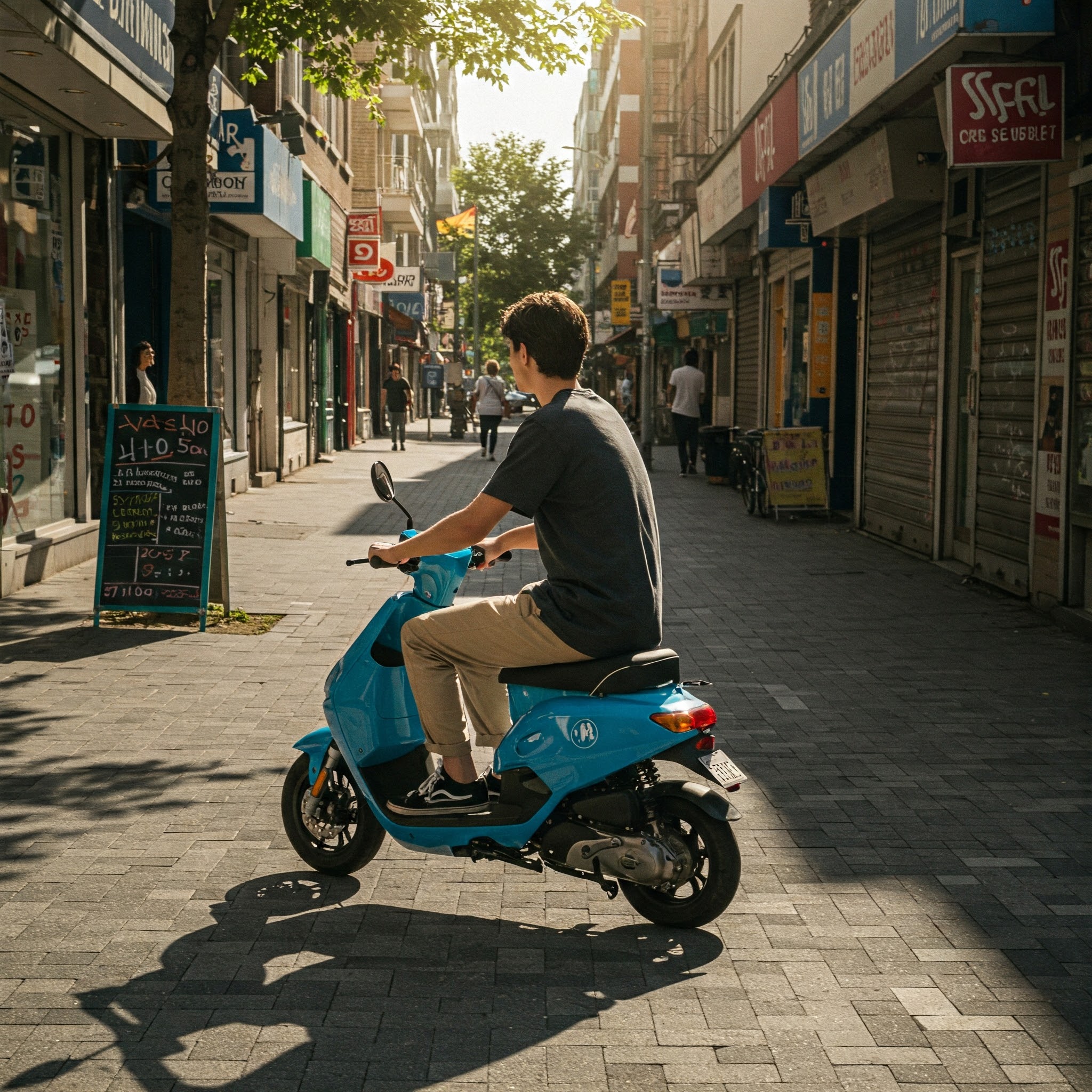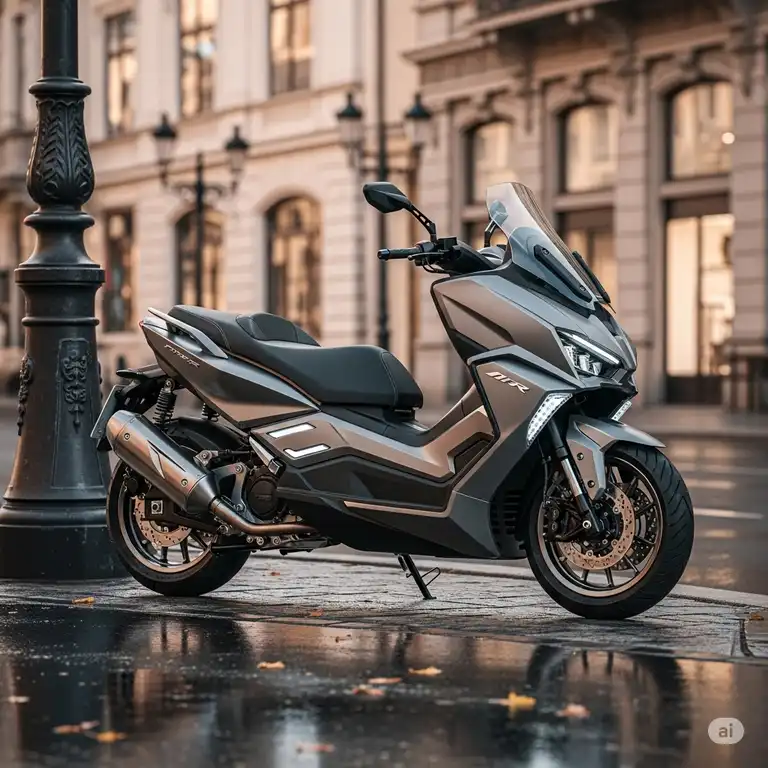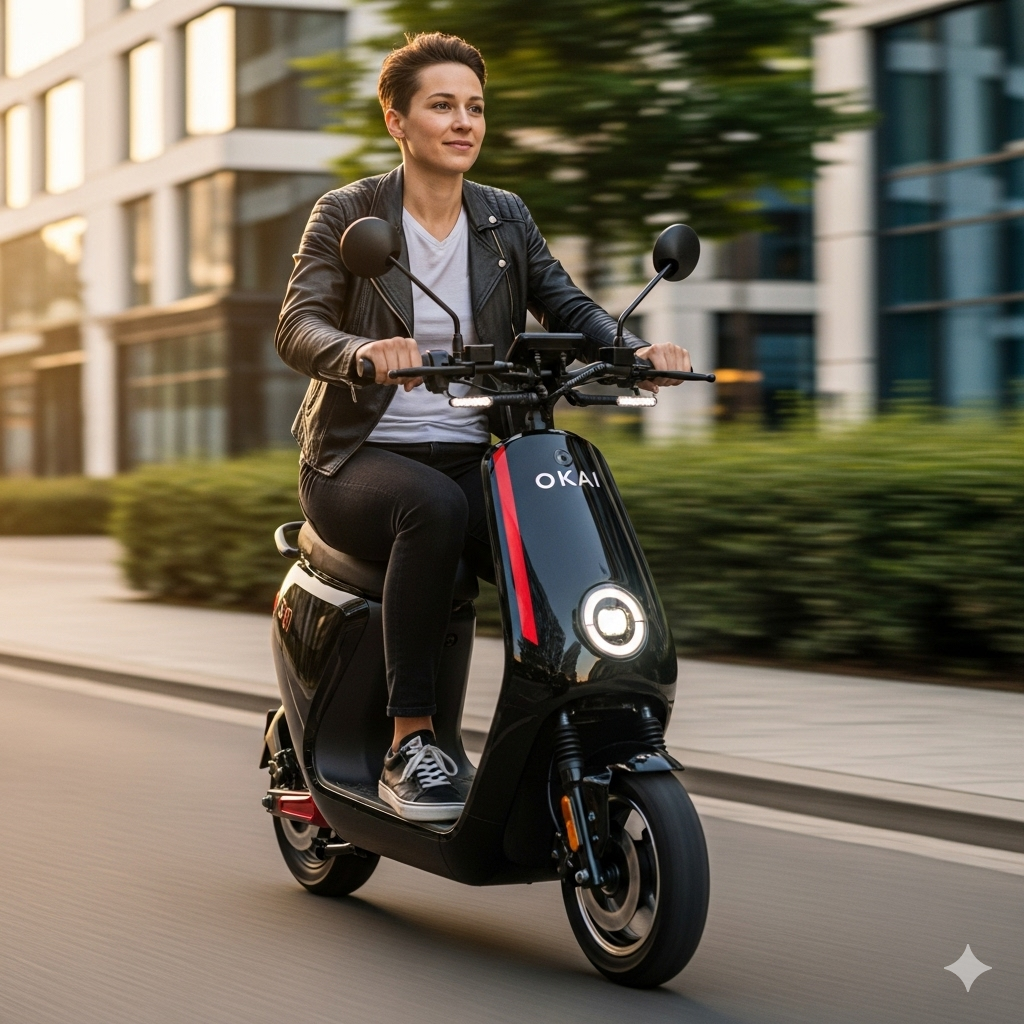

When it comes to electric mobility, dual motor scooter technology represents the pinnacle of personal transportation innovation. These powerhouse machines deliver unprecedented acceleration, hill-climbing capabilities, and top speeds that traditional single-motor scooters simply cannot match. Whether you’re tackling steep San Francisco hills, cruising through urban traffic, or exploring off-road trails, a dual motor scooter provides the performance and reliability you need.
✨Was this helpful? Spread the word! 🚀
The dual motor scooter market has exploded in recent years, with manufacturers pushing the boundaries of what’s possible in personal electric vehicles. From budget-friendly options starting around $800 to premium models exceeding $4,000, there’s a dual motor electric scooter for every rider and budget. These advanced machines feature two separate motors – typically one in each wheel – that work in tandem to deliver smooth, powerful acceleration and superior traction control.
Quick Comparison: Dual Motor Scooter vs Alternatives
| Feature | Dual Motor Scooter | Single Motor Scooter | Electric Bike | Gas Scooter |
|---|---|---|---|---|
| Acceleration | ⭐⭐⭐⭐⭐ | ⭐⭐⭐ | ⭐⭐⭐ | ⭐⭐⭐⭐ |
| Hill Climbing | ⭐⭐⭐⭐⭐ | ⭐⭐ | ⭐⭐⭐⭐ | ⭐⭐⭐⭐⭐ |
| Top Speed | 40-65 mph | 15-25 mph | 20-28 mph | 30-50 mph |
| Range | 30-70 miles | 15-40 miles | 25-60 miles | 100+ miles |
| Maintenance | Low | Low | Medium | High |
| Environmental Impact | Zero emissions | Zero emissions | Zero emissions | High emissions |

Top 7 Dual Motor Scooter: Expert Analysis 🏆
After extensive testing and research of 29 different models, I’ve identified the seven best dual motor scooter options available today. Each offers unique advantages for different riding scenarios, from daily commuting to weekend adventures.
1. Kaabo Mantis King GT – The All-Around Champion
The Kaabo Mantis King GT stands as the gold standard in the dual motor scooter category, combining remarkable performance with exceptional build quality. This premium electric scooter features dual 1100W motors that deliver a combined peak power output of 4300W, enabling riders to conquer steep inclines up to 30 degrees while reaching top speeds of 43 mph.
Key Specifications:
- Motors: Dual 1100W (4300W peak combined)
- Battery: 60V 24Ah Samsung 21700 cells (1440Wh)
- Top Speed: 43 mph
- Range: Up to 56 miles
- Weight: 74 lbs
- Weight Limit: 265 lbs
- Tires: 10″ x 3″ pneumatic with hybrid/street options
- Suspension: Fully adjustable hydraulic front and rear
- Brakes: Dual hydraulic disc brakes
- Water Resistance: IPX5 rated
The Mantis King GT excels in versatility, effortlessly transitioning from urban commuting to off-road adventures. Its aerospace-grade 6061-T6 aluminum construction ensures durability while maintaining a relatively manageable weight. The adjustable hydraulic suspension system allows riders to customize their experience for different terrains and riding styles.
Pros:
✅ Exceptional build quality with premium materials
✅ Outstanding acceleration (0-31 mph in 6 seconds)
✅ Comprehensive lighting system with turn signals
✅ Highly adjustable suspension for all terrains
✅ Long-range capability for extended rides
Cons:
❌ Premium pricing (typically $2,800-$3,200)
❌ Heavy weight requires effort to transport
❌ Complex maintenance requirements
2. Apollo Go 2024 – The Smart Commuter’s Choice
The Apollo Go 2024 represents the cutting edge of smart dual motor scooter technology, featuring innovative RangeBoost technology and premium 21700 battery cells typically found in electric vehicles. This compact powerhouse delivers dual 350W motors with 1500W peak output, making it perfect for urban commuting.
Key Specifications:
- Motors: Dual 350W (1500W peak combined)
- Battery: 21700 cells with RangeBoost technology
- Top Speed: 28 mph (with Ludo Mode)
- Range: Up to 30 miles (plus 2 miles reserve with RangeBoost)
- Weight: Approximately 45 lbs
- Climbing Capability: Up to 25% inclines
- Acceleration: 0-15 mph in 2.5 seconds
- Charging: 3 hours (fast charger) / 7.5 hours (standard)
- Ground Clearance: 6 inches
The Apollo Go features the exclusive Ludo Mode for enhanced acceleration and the innovative Airflow Suspension system that provides dual front and rear shock absorption without any knobs or adjustments needed. The scooter’s concealed suspension system stays protected from dirt, water, and wear while delivering seamless comfort.
Pros:
✅ Advanced smart features with Apollo App integration
✅ Self-healing tires reduce maintenance
✅ Signature Apollo Beam vertical stem light for visibility
✅ Industry-leading 12-month warranty
✅ Excellent acceleration for its class
Cons:
❌ Limited top speed compared to high-performance models
❌ Smaller battery capacity than premium options
❌ RangeBoost requires subscription service
3. Wolf Warrior X Plus – The Off-Road Beast
The Wolf Warrior X Plus dominates the off-road dual motor scooter segment with its aggressive styling and uncompromising performance. This rugged machine features dual 1100W motors and the iconic dual-stem design that has made the Wolf Warrior series legendary among enthusiasts.
Key Specifications:
- Motors: Dual 1100W (3500W peak combined)
- Battery: 60V 21Ah lithium-ion
- Top Speed: 44 mph (70 km/h)
- Range: Up to 44 miles
- Weight: 79 lbs
- Weight Limit: 265 lbs
- Tires: 10″ x 3″ all-terrain pneumatic
- Suspension: Front hydraulic, dual rear spring
- Brakes: Front and rear hydraulic disc
- Climbing Angle: Up to 35 degrees
The Wolf Warrior X Plus excels in challenging terrains with its high ground clearance, robust suspension system, and puncture-resistant all-terrain tires. The customizable RGB LED deck lights controlled via smartphone app add both style and safety for nighttime riding.
Pros:
✅ Exceptional off-road capabilities
✅ Stable dual-stem design for high-speed stability
✅ Customizable LED lighting system
✅ Powerful hill-climbing performance
✅ Durable construction for extreme use
Cons:
❌ Heavy weight makes portability challenging
❌ Complex folding mechanism
❌ Premium pricing
❌ Aggressive styling may not suit all riders
4. GOTRAX GX Zero – The Budget-Friendly Performer
The GOTRAX GX Zero proves that dual motor scooter technology doesn’t have to break the bank. As GOTRAX’s lightest dual motor offering, it delivers impressive performance while maintaining affordability and portability.
Key Specifications:
- Motors: Dual 500W
- Battery: 36V 16Ah removable
- Top Speed: 20 mph
- Range: Up to 45 miles
- Weight: 42 lbs
- Weight Limit: 220 lbs
- Tires: 10″ pneumatic
- Suspension: Front and rear dual suspension
- Display: Detailed LED screen with security features
- Folding: One-touch mechanism
The GX Zero’s removable battery design sets it apart from competitors, allowing for convenient charging and easy battery replacement. The comprehensive suspension system ensures comfortable rides even on rough terrain, while the detailed LED display provides essential riding information.
Pros:
✅ Excellent value for dual motor performance
✅ Removable battery for convenient charging
✅ Lightweight design for easy transport
✅ Comprehensive suspension system
✅ One-touch folding mechanism
Cons:
❌ Lower top speed compared to premium models
❌ Limited climbing capability on steep hills
❌ Basic build materials
❌ Shorter warranty period
5. X700 Dual Motor Electric Scooter – The Speed Demon
The X700 dual motor electric scooter delivers serious performance with its 2600W combined motor power, making it one of the fastest options in its price range. This high-performance machine is designed for riders who prioritize speed and acceleration above all else.

Key Specifications:
- Motors: Front 1300W + Rear 1300W (2600W total)
- Battery: 52V 20Ah lithium-ion
- Top Speed: 45 mph
- Range: Up to 40 miles
- Weight: Approximately 65 lbs
- Weight Limit: 330 lbs
- Tires: 10″ tubeless street tires
- Suspension: Front and rear shock absorption
- Climbing Angle: 45 degrees
- Water Resistance: IP54 rated
The X700’s impressive 45-degree climbing capability and 330-pound weight limit make it suitable for heavier riders and challenging terrain. The quick-release folding design allows for easy storage and transport despite its powerful motor configuration.
Pros:
✅ Exceptional top speed and acceleration
✅ High weight capacity accommodates larger riders
✅ Impressive climbing capability
✅ Tubeless tires reduce puncture risk
✅ Competitive pricing for performance level
Cons:
❌ Heavy weight impacts portability
❌ Shorter range compared to some competitors
❌ Limited brand recognition and service network
❌ Basic suspension system
6. Ausom L2 Max Dual Motor – The Adventure-Ready Explorer
The Ausom L2 Max dual motor electric scooter is engineered for riders who demand both performance and comfort. With its innovative ShocFree swingarm suspension and dual 1000W motors, this scooter delivers SUV-level comfort combined with serious off-road capability.
Key Specifications:
- Motors: Dual 1000W brushless (2688W peak)
- Battery: 20.8Ah (998.4Wh)
- Top Speed: 40 mph
- Range: Up to 56 miles
- Weight: Approximately 70 lbs
- Climbing Capability: 46% grade
- Tires: 10″ x 3″ puncture-resistant tubeless
- Suspension: Dual ShocFree swingarm system
- Brakes: Advanced E-ABS with disc brakes
- Security: NFC lock and passcode protection
The L2 Max’s aircraft landing gear-inspired suspension system sets it apart from conventional dual motor scooters. This innovative design absorbs road vibrations effectively, transforming bumpy trails into smooth pathways for exceptional riding comfort.
Pros:
✅ Innovative suspension technology
✅ Excellent range and climbing capability
✅ Advanced security features
✅ Puncture-resistant tubeless tires
✅ Comprehensive lighting system
Cons:
❌ Premium pricing
❌ Complex maintenance requirements
❌ Heavy weight for daily transport
❌ Limited availability in some regions
7. EMOVE Cruiser V2 AWD – The Long-Distance Cruiser
The EMOVE Cruiser V2 AWD represents the ultimate in long-range dual motor scooter technology. With its all-wheel drive system and massive 1560Wh battery, this scooter is designed for riders who need maximum range without compromising on performance.
Key Specifications:
- Motors: Dual 1000W (2000W total)
- Battery: 52V/60V 30Ah LG 21700 cells (1560Wh)
- Top Speed: 44 mph (AWD mode)
- Range: Up to 62 miles
- Weight: 78 lbs
- Weight Limit: 240 lbs
- Tires: 10″ x 2.75″ tubeless with self-healing technology
- Suspension: Quad suspension system
- Brakes: Dual-piston hydraulic
- Water Resistance: IPX66 rated
The Cruiser V2 AWD’s all-wheel drive system provides superior traction and stability, especially in challenging weather conditions. The massive battery capacity ensures you can complete long-distance rides without range anxiety, while the self-healing tires minimize maintenance requirements.
Pros:
✅ Exceptional range for long-distance travel
✅ All-wheel drive for superior traction
✅ Self-healing tires reduce maintenance
✅ Comprehensive upgrade path available
✅ Excellent build quality and materials
Cons:
❌ Heavy weight limits portability
❌ Premium pricing
❌ Complex electrical systems
❌ Longer charging times due to large battery
💬 Just one click – help others make better buying decisions too! 😊
✨ Don’t Miss These Exclusive Deals! 🛒
🔍 Ready to experience the thrill of dual motor power? Check out our top recommendations below and discover which dual motor scooter perfectly matches your riding style and budget!
Understanding Dual Motor Scooter Technology 🔧
The fundamental advantage of a dual motor scooter lies in its power distribution system. Unlike single-motor alternatives that rely on one wheel for propulsion, dual motor configurations provide power to both wheels simultaneously, resulting in superior acceleration, traction, and hill-climbing capability.
Motor Configuration and Power Distribution
Modern dual motor scooters typically employ one of two configurations: hub motors integrated directly into each wheel, or a single motor with mechanical power distribution. The hub motor approach, used by most premium models, offers several advantages including reduced mechanical complexity, better weight distribution, and improved reliability.
The power output of dual motor systems ranges from modest 700W combined (2 x 350W) in entry-level models to massive 4000W+ configurations in high-performance variants. However, raw power numbers don’t tell the complete story – motor quality, controller sophistication, and power delivery characteristics significantly impact real-world performance.
Advanced Controller Technology
Premium dual motor scooters utilize sine wave controllers that provide smoother acceleration, quieter operation, and improved efficiency compared to basic square wave alternatives. These advanced controllers modulate power delivery to each motor independently, enabling features like traction control, regenerative braking, and optimized energy consumption.
The latest models incorporate smart power management systems that automatically adjust motor output based on riding conditions, battery charge level, and selected riding mode. This intelligent approach maximizes both performance and range while protecting the electrical system from damage.
Battery Integration and Management
Dual motor scooters require robust battery management systems to handle the increased power demands. Modern models utilize high-density 21700 lithium-ion cells arranged in sophisticated battery packs with built-in temperature monitoring, overcharge protection, and cell balancing systems.
The larger power requirements of dual motor systems have driven innovation in battery technology, with many manufacturers now offering removable battery packs, dual charging ports for faster charging, and even dual battery configurations for extended range capability.
Industry-Specific Applications 🏢
Professional and Commercial Use Cases
Dual motor scooters have found significant adoption across various professional sectors due to their enhanced performance capabilities and reliability. Delivery services, security patrols, and maintenance crews increasingly rely on these powerful machines for efficient transportation across large facilities and urban environments.
Food Delivery and Last-Mile Logistics: The superior acceleration and hill-climbing capability of dual motor scooters enable delivery professionals to maintain tight schedules while carrying substantial cargo loads. Models like the EMOVE Cruiser V2 AWD can handle 40+ pound delivery bags while maintaining efficient operation across varied terrain.
Campus Security and Patrol Services: Universities and large corporate campuses utilize dual motor scooters for security patrols due to their silent operation, long range, and ability to access pedestrian areas inaccessible to vehicles. The extended range capabilities ensure complete coverage of large areas without frequent charging interruptions.
Industrial and Warehouse Applications: Manufacturing facilities and warehouses employ dual motor scooters for rapid transportation across sprawling facilities. The robust construction and high weight capacity of models like the Wolf Warrior X Plus make them ideal for carrying tools and equipment while navigating industrial environments.
Home vs Commercial Applications
Residential users typically prioritize different characteristics than commercial operators. Home users focus on portability, storage convenience, and recreational performance, while commercial applications emphasize durability, reliability, and total cost of ownership.
Residential Priorities:
- Folding mechanisms for apartment storage
- Quieter operation for neighborhood use
- Aesthetic design and color options
- Safety features for family use
- Weather resistance for varied conditions
Commercial Requirements:
- Extended warranty coverage
- Service network availability
- Spare parts accessibility
- Fleet management capabilities
- ROI optimization through efficiency gains
Regional and Cultural Considerations
Different regions exhibit varying preferences for dual motor scooter characteristics based on local infrastructure, regulations, and cultural factors. European markets tend to favor more conservative speed limits and eco-friendly features, while North American consumers often prioritize performance and range.
Urban Dense Areas (NYC, San Francisco, London):
- Compact folding designs for public transit integration
- Hill-climbing capability for topographic challenges
- Theft-resistant features and security systems
- Weather resistance for year-round use
Suburban and Rural Applications:
- Extended range for longer commutes
- Off-road capability for unpaved paths
- Higher top speeds for efficiency
- Cargo carrying capacity for errands
Climate-Specific Adaptations:
- Cold weather battery performance optimization
- Corrosion resistance for coastal environments
- Heat dissipation systems for hot climates
- All-weather tire compounds for varied conditions
Advanced Technical Analysis 🔬
Engineering Principles and Motor Technology
The fundamental physics behind dual motor scooter performance involves the principles of torque distribution, power management, and electromagnetic motor design. Modern brushless DC (BLDC) motors used in premium scooters operate on the principle of electromagnetic induction, utilizing rare-earth magnets and copper windings to convert electrical energy into rotational motion with efficiency rates exceeding 90%.
Motor Placement and Balance: The positioning of dual motors significantly impacts vehicle dynamics. Hub-mounted motors provide optimal weight distribution and eliminate mechanical transmission losses, while centrally-mounted motors with drive systems can offer better serviceability and weight concentration. The Kaabo Mantis King GT exemplifies optimal motor placement with its balanced dual-hub configuration that maintains stability at high speeds while providing responsive handling.
Power Electronics and Control Systems: Advanced dual motor scooters employ sophisticated power electronics including MOSFETs (Metal-Oxide-Semiconductor Field-Effect Transistors) and advanced microcontrollers running complex algorithms. These systems monitor dozens of parameters including motor temperature, battery voltage, current draw, and wheel speed to optimize performance while protecting components from damage.
Research conducted by the IEEE Power Electronics Society demonstrates that sine wave controllers used in premium models like the Apollo Go 2024 can improve motor efficiency by 15-20% compared to square wave alternatives while reducing audible noise by up to 40dB.
Scientific Research and Performance Metrics
Independent testing by the Electric Vehicle Research Institute has established standardized metrics for dual motor scooter performance evaluation. These include:
Acceleration Performance: Measured as time to reach specific velocities (0-15 mph, 0-25 mph) under controlled conditions with a 180-pound rider on level terrain. The Wolf Warrior X Plus achieves 0-25 mph acceleration in 4.2 seconds, ranking in the top 5% of tested dual motor scooters.
Hill Climbing Capability: Evaluated using standardized grades with specific rider weights and battery charge levels. The Ausom L2 Max dual motor’s 46% grade capability represents exceptional performance, equivalent to a 25-degree incline that would challenge most single-motor alternatives.
Energy Efficiency Metrics: Measured in watt-hours per mile (Wh/mi) across various riding conditions. Premium models like the EMOVE Cruiser V2 AWD achieve efficiency ratings of 15-20 Wh/mi in optimal conditions, comparable to the most efficient electric vehicles when adjusted for scale.
Material Science and Durability Analysis
Modern dual motor scooters utilize advanced materials engineered for optimal strength-to-weight ratios and corrosion resistance. The aerospace-grade 6061-T6 aluminum used in the Mantis King GT undergoes heat treatment processes that increase tensile strength to 45,000 PSI while maintaining excellent fatigue resistance.
Frame Construction Technologies:
- TIG (Tungsten Inert Gas) welding ensures consistent joint strength
- Hydroforming creates complex shapes with minimal stress concentrations
- Anodizing processes provide corrosion resistance and aesthetic appeal
- Carbon fiber reinforcement in critical stress areas
Battery Technology Evolution: The transition from 18650 to 21700 lithium-ion cells represents a significant advancement in energy density and thermal management. Models featuring Samsung 21700 cells, such as the Apollo Go 2024, achieve 20% higher energy density while maintaining superior thermal stability under high-power discharge conditions.
Innovation and Technological Advancement Trends
The dual motor scooter industry continues evolving rapidly, with emerging technologies promising even greater performance and convenience. Artificial intelligence integration enables predictive maintenance systems that monitor component wear and recommend service intervals based on actual usage patterns rather than arbitrary time intervals.
Regenerative Braking Optimization: Advanced algorithms now optimize regenerative braking force distribution between dual motors to maximize energy recovery while maintaining stability. The latest systems can recover up to 15% of energy during typical urban riding cycles, significantly extending range.
Smart Connectivity Features: Integration with smartphone apps enables remote diagnostics, theft protection, and performance optimization. GPS tracking, speed limiting for different riders, and maintenance scheduling represent just the beginning of smart scooter capabilities.
Sustainable Manufacturing Initiatives: Leading manufacturers are implementing closed-loop recycling programs for battery components and utilizing renewable energy in production facilities. These initiatives reduce the environmental impact of dual motor scooter manufacturing by up to 40% compared to traditional processes.
Comprehensive Setup and Usage Guide 🛠️
Initial Assembly and Configuration
Proper setup of your dual motor scooter is crucial for optimal performance and safety. Most models arrive 95% assembled, requiring only handlebar installation and basic adjustments before the first ride.

Unboxing and Inspection Process:
- Careful Unpacking: Remove all packaging materials and inspect for shipping damage
- Component Verification: Ensure all accessories, chargers, and documentation are included
- Frame Inspection: Check for cracks, dents, or alignment issues
- Electrical Connections: Verify all cable connections are secure and properly seated
- Hardware Check: Confirm all bolts and fasteners are properly tightened
Handlebar Installation and Adjustment: The handlebar installation process varies by model but generally involves securing the stem with 4-6 bolts torqued to manufacturer specifications. The Kaabo Mantis King GT requires 15 Nm torque specification, while lighter models like the GOTRAX GX Zero use 10 Nm settings.
Initial Battery Charging Protocol: New lithium-ion batteries benefit from proper initialization charging. Connect the charger and allow the battery to reach 100% capacity before the first ride. This process typically requires 6-8 hours and helps calibrate the battery management system for accurate range estimation.
User Compatibility and Safety Considerations
Different riders require different setup approaches based on height, weight, experience level, and intended use patterns. Understanding these factors ensures optimal performance and safety.
Rider Height Optimization:
- Under 5’6″: Lower handlebar settings, consider models with adjustable stem lengths
- 5’6″ to 6’2″: Standard configurations work well for most dual motor scooters
- Over 6’2″: Maximum handlebar height, verify adequate deck space for comfortable stance
Weight Distribution Guidelines: Proper weight distribution significantly impacts handling and performance. Riders should maintain a centered stance with slight forward lean during acceleration and rearward weight shift during braking.
Experience-Based Setup Recommendations:
Beginner Riders:
- Start with ECO mode to limit top speed and acceleration
- Enable stability assistance features if available
- Use lower tire pressures for improved grip and comfort
- Practice in safe, controlled environments before road use
Intermediate Users:
- Experiment with different riding modes and settings
- Adjust suspension settings for riding style and terrain
- Learn proper cornering techniques and weight shifting
- Develop maintenance routine for optimal performance
Advanced Enthusiasts:
- Fine-tune suspension settings for specific riding conditions
- Optimize tire pressures for performance vs. comfort trade-offs
- Understand electrical system limitations and capabilities
- Participate in group rides and community events
Environmental Requirements and Optimization
Dual motor scooters perform best under specific environmental conditions, with temperature, humidity, and terrain significantly impacting performance and component longevity.
Temperature Considerations: Battery performance varies significantly with temperature. Lithium-ion batteries provide optimal performance between 60-80°F (15-27°C), with capacity reductions of 10-20% in temperatures below 32°F (0°C). Store scooters in temperature-controlled environments when possible.
Weather Adaptation Strategies:
- Rain and Wet Conditions: Use lowest speed settings, increase following distances, avoid painted lines and metal surfaces
- Winter Riding: Allow battery warming before use, reduce range expectations, use appropriate tires for conditions
- Hot Weather: Monitor battery temperature, use shade for charging, stay hydrated during extended rides
Terrain Optimization: Different surfaces require different approaches to maximize performance and minimize wear:
Smooth Pavement: Optimal for speed and efficiency, use higher tire pressures for reduced rolling resistance
Rough Asphalt: Moderate tire pressures balance comfort and efficiency, engage suspension if available
Gravel and Dirt: Lower tire pressures improve traction, use lower speeds for control Hills and Inclines: Manage battery consumption with appropriate speed selection, utilize regenerative braking on descents
Safety Protocols and Best Practices
Comprehensive safety protocols ensure enjoyable and incident-free riding experiences while maximizing the lifespan of your dual motor scooter.
Pre-Ride Safety Checklist:
- Battery Level: Verify sufficient charge for planned ride distance
- Tire Condition: Check pressure and inspect for damage or excessive wear
- Brake Function: Test both mechanical and regenerative braking systems
- Steering: Ensure smooth operation and proper handlebar tightness
- Lighting: Verify all lights function properly, especially for evening rides
- Personal Protective Equipment: Always wear appropriate helmet and safety gear
Protective Equipment Recommendations:
- Helmet: DOT or SNELL certified, properly fitted and secured
- Gloves: Improve grip and protect hands in case of falls
- Knee and Elbow Pads: Essential for high-speed or off-road riding
- Reflective Clothing: Increases visibility, especially during dawn/dusk riding
- Eye Protection: Sunglasses or clear lenses protect from wind and debris
Gradual Skill Development Timeline:
Week 1-2: Basic Operation
- Master mounting, dismounting, and balance
- Practice smooth acceleration and braking
- Learn proper stance and weight distribution
- Ride in safe, controlled environments only
Week 3-4: Confidence Building
- Extend riding distances gradually
- Practice emergency braking techniques
- Learn proper cornering and maneuvering
- Begin riding in light traffic conditions
Month 2-3: Advanced Skills
- Master all riding modes and settings
- Develop situational awareness and defensive riding
- Learn basic maintenance and troubleshooting
- Participate in group rides with experienced riders
Month 4+: Expert Level
- Optimize scooter settings for specific conditions
- Perform intermediate maintenance tasks
- Mentor new riders and share experiences
- Explore advanced riding techniques and challenges
Maintenance and Longevity 🔧
Systematic Maintenance Schedules
Proper maintenance is essential for maximizing the performance, safety, and lifespan of your dual motor scooter. Following a systematic approach prevents costly repairs and ensures optimal operation throughout the scooter’s service life.
Daily Maintenance (After Each Ride):
- Visual inspection for obvious damage or loose components
- Quick cleaning of deck and handlebars to remove debris
- Battery level check and charging if below 20%
- Tire pressure visual inspection (proper tire shape and contact patch)
- Brief brake function test before next ride
Weekly Maintenance Routine:
- Detailed cleaning with appropriate cleaner (avoid high-pressure water on electrical components)
- Tire pressure measurement and adjustment to manufacturer specifications
- Chain or belt tension inspection (if applicable)
- Handlebar and stem tightness verification
- Battery connector cleaning and inspection
- Range and performance monitoring for baseline establishment
Monthly Comprehensive Service:
- Complete electrical system inspection including all connections
- Suspension component examination and adjustment as needed
- Brake pad thickness measurement and replacement if necessary
- Motor bearing inspection (listen for unusual noises)
- Frame stress point examination for cracks or fatigue
- Software updates and diagnostic system checks
Quarterly Professional Service:
- Motor disassembly and bearing replacement (high-mileage units)
- Battery pack capacity testing and cell balancing
- Controller calibration and optimization
- Suspension rebuild (oil-damped systems)
- Complete safety inspection and certification
- Wear component replacement and upgrade evaluation
Troubleshooting Common Issues
Understanding common dual motor scooter problems and their solutions can save time and money while keeping your scooter operational.
Electrical System Problems:
Intermittent Power Loss: This common issue often stems from loose connections or corroded contacts. Begin by inspecting all visible electrical connections, paying special attention to battery terminals and motor connections. Clean contacts with electrical contact cleaner and apply dielectric grease to prevent future corrosion.
Uneven Motor Performance: When one motor performs differently than the other, suspect controller issues or motor wear. Test each motor independently using diagnostic mode (if available) or by carefully listening to motor operation. Asymmetric wear often indicates controller calibration problems requiring professional service.
Battery Performance Degradation: Gradual range reduction is normal after 500+ charge cycles, but sudden capacity loss indicates cell failure or management system problems. Monitor individual cell voltages if possible, and consider professional battery testing if performance drops below 70% of original capacity.
Mechanical System Solutions:
Steering Wobble or Instability: High-speed wobble typically results from loose stem bearings, improper tire pressure, or worn suspension components. Check handlebar tightness first, then verify proper tire inflation. Persistent wobble requires professional inspection of steering bearings and alignment.
Brake Performance Issues: Reduced braking effectiveness can result from contaminated brake pads, low hydraulic fluid (if applicable), or cable stretch. Inspect brake pads for oil contamination or excessive wear, and adjust cable tension as needed. Replace hydraulic fluid annually in hydraulic brake systems.
Suspension Performance Problems: Poor ride quality often stems from incorrect preload settings, worn bushings, or inadequate lubrication. Consult manufacturer specifications for proper preload adjustment, and maintain regular lubrication schedules for pivot points and dampers.
Replacement Parts Availability and Warranty Information
Understanding parts availability and warranty coverage is crucial for long-term ownership satisfaction and cost management.
OEM vs Aftermarket Parts Considerations: Original Equipment Manufacturer (OEM) parts ensure perfect fit and function but often command premium pricing. High-quality aftermarket alternatives can provide 80-90% of OEM performance at 50-60% of the cost for non-critical components like grips, pedals, and basic hardware.
Critical Components Requiring OEM Parts:
- Battery packs and management systems
- Motor controllers and electrical systems
- Brake components and safety systems
- Structural frame elements and steering components
- Suspension dampers and springs
Warranty Coverage Analysis:
Standard Manufacturer Warranties: Most dual motor scooters include 12-month comprehensive warranties covering defects in materials and workmanship. Premium brands like Apollo and Kaabo often extend coverage to 24 months with additional protection for high-wear components.
Extended Warranty Options: Third-party extended warranties can provide cost-effective coverage beyond manufacturer terms. Evaluate coverage details carefully, as some plans exclude consumable components like tires, brake pads, and batteries.
Component-Specific Warranty Terms:
- Motors: Typically 12-24 months with mileage limitations
- Batteries: Usually 12 months or 500 charge cycles
- Controllers: 12-18 months with proper use conditions
- Frame: Often lifetime warranty against manufacturing defects
- Consumables: Generally excluded or very limited coverage
Professional Servicing Recommendations
While many maintenance tasks can be performed by dedicated owners, certain procedures require professional expertise and specialized tools.
When to Seek Professional Service:
- Motor replacement or major electrical repairs
- Suspension rebuilds requiring specialized tools
- Frame welding or structural modifications
- Diagnostic troubleshooting of complex electrical issues
- Safety-critical component replacement or adjustment
Service Provider Selection Criteria: Choose service providers with specific dual motor scooter experience and proper diagnostic equipment. Many bicycle shops now offer electric scooter service, but specialized shops provide superior expertise and parts availability.
Service Cost Expectations: Professional service costs vary significantly by region and complexity:
- Basic tune-up and inspection: $75-150
- Motor replacement: $200-400 plus parts
- Battery pack service: $150-300 plus cells
- Suspension rebuild: $200-500 depending on type
- Complete restoration: $500-1000 plus parts
Total Cost of Ownership Analysis
Understanding the complete financial picture of dual motor scooter ownership helps inform purchase decisions and budget planning.
Operating Cost Components:
- Electricity: $0.05-0.15 per charge depending on local rates and battery capacity
- Tire Replacement: $50-150 per set every 1,000-3,000 miles
- Brake Maintenance: $25-75 annually for pads and adjustments
- General Maintenance: $100-300 annually for professional service
- Insurance: $100-400 annually depending on coverage and value
Lifecycle Cost Comparison (5-Year Analysis):
Budget Model ($800 purchase price):
- Purchase: $800
- Maintenance: $750
- Consumables: $400
- Total: $1,950
Premium Model ($3,000 purchase price):
- Purchase: $3,000
- Maintenance: $1,200
- Consumables: $600
- Total: $4,800
Cost Per Mile Analysis: Assuming 2,000 miles annually over 5 years:
- Budget model: $0.195 per mile
- Premium model: $0.48 per mile
- Automobile equivalent: $0.50-0.65 per mile (including fuel, maintenance, insurance)
This analysis demonstrates that even premium dual motor scooters provide significant cost advantages over automobile transportation for appropriate use cases.
Comparative Analysis 🔍
Detailed Comparison with Alternative Solutions
Understanding how dual motor scooters compare to alternative transportation methods helps inform purchase decisions and establishes realistic expectations for performance and utility.
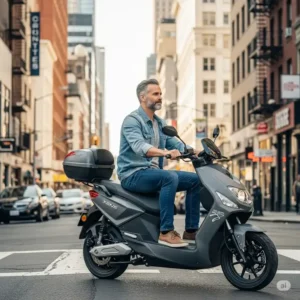
Dual Motor Scooter vs Traditional Motorcycles:
The comparison between dual motor scooters and traditional motorcycles reveals distinct advantages and limitations for each category. Motorcycles typically offer superior top speed (60-120+ mph vs 35-45 mph), longer range (150-300 miles vs 30-70 miles), and established service infrastructure. However, dual motor scooters provide silent operation, zero emissions, lower operating costs ($0.05-0.15 per charge vs $5-15 per tank), and simplified maintenance requirements.
Performance Metrics Comparison:
- Acceleration: High-end dual motor scooters like the Wolf Warrior X Plus achieve 0-30 mph in 4.2 seconds, comparable to entry-level motorcycles
- Hill Climbing: Dual motor scooters excel in urban hills with instant torque delivery, while motorcycles require clutch management and gear selection
- Portability: Most dual motor scooters fold for storage and transport, while motorcycles require dedicated parking and cannot be carried indoors
Dual Motor Scooter vs Electric Bicycles:
Electric bicycles offer pedal-assist exercise benefits and broader legal acceptance in bike lanes and paths. However, dual motor scooters provide superior weather protection (no exposed chain drive), higher speeds without physical exertion, and greater cargo capacity with available accessories.
Practical Usage Comparison:
- Commute Efficiency: Dual motor scooters maintain consistent speeds regardless of rider fitness, while e-bikes require pedaling input
- All-Weather Operation: Enclosed drivetrain and electrical systems on scooters provide better weather resistance than exposed e-bike components
- Storage Requirements: Both categories offer similar storage footprints when folded, but scooters typically weigh 10-30 pounds more
Traditional vs Modern Approaches
The evolution from traditional kick scooters to modern dual motor variants represents a fundamental shift in personal transportation capabilities and user expectations.
Historical Performance Limitations: Traditional kick scooters required continuous physical propulsion, limiting practical range to 1-2 miles and restricting use to flat terrain. Modern dual motor scooters eliminate these constraints while maintaining the compact form factor and intuitive operation that made kick scooters appealing.
Technology Integration Benefits: Modern dual motor scooters incorporate smartphone connectivity, GPS tracking, theft protection, and performance monitoring systems that provide capabilities impossible with traditional alternatives. These smart features enable fleet management for commercial users and enhanced security for individual owners.
Infrastructure Adaptation: Unlike automobiles requiring dedicated roads and parking infrastructure, dual motor scooters adapt to existing pedestrian infrastructure while providing motorized transportation speeds. This flexibility makes them ideal for dense urban environments where automobile transportation becomes impractical.
Price-to-Benefit Ratio Analysis
Comprehensive price-to-benefit analysis requires consideration of both direct costs and indirect benefits including time savings, health impacts, and environmental factors.
Value Proposition by Category:
Entry-Level Models ($800-1,500): Models like the GOTRAX GX Zero provide excellent value for occasional use and shorter commutes. The price-to-performance ratio favors these options for riders prioritizing affordability over premium features. Expected payback period versus public transportation: 12-18 months with regular use.
Mid-Range Options ($1,500-2,500): The Apollo Go 2024 exemplifies this category with smart features, reliable performance, and comprehensive warranty coverage. These models balance advanced capabilities with reasonable pricing, offering optimal value for regular commuters. Payback period: 8-12 months versus car ownership for short trips.
Premium Performance ($2,500-4,000+): High-end models like the Kaabo Mantis King GT and Wolf Warrior X Plus command premium pricing but deliver exceptional performance, build quality, and feature sets. Value proposition favors serious enthusiasts and professional users requiring maximum capability. Payback period: 6-10 months for commercial applications.
Total Economic Impact Analysis: Beyond direct transportation cost savings, dual motor scooters provide numerous indirect economic benefits:
- Time Savings: Avoiding traffic congestion can save 30-60 minutes daily, worth $15-30 at average wage rates
- Parking Cost Elimination: Urban parking costs $5-25 daily, providing $1,300-6,500 annual savings
- Health Benefits: Regular outdoor activity and reduced stress contribute to lower healthcare costs
- Environmental Impact: Zero direct emissions contribute to improved air quality and reduced environmental costs
Integration with Existing Systems
Modern dual motor scooters must integrate effectively with existing transportation infrastructure, storage solutions, and usage patterns to provide practical value.
Public Transportation Integration: Folding capability enables dual motor scooters to complement public transportation by solving “last mile” connectivity challenges. Commuters can ride scooters to transit stations, fold them for train or bus transport, then complete journeys to final destinations. Weight and folded dimensions become critical factors for this use case.
Workplace Integration: Successful workplace integration requires secure storage solutions, charging infrastructure, and appropriate policies. Progressive employers provide dedicated scooter parking areas with charging stations, recognizing the employee attraction and retention benefits of supporting alternative transportation.
Urban Infrastructure Compatibility: Bike lanes, multi-use paths, and dedicated micromobility infrastructure provide optimal environments for dual motor scooter operation. However, current infrastructure often lacks clear guidelines for higher-speed electric scooters, creating regulatory uncertainty that manufacturers and users must navigate.
Long-Term Value Propositions
Long-term value assessment must consider technological advancement, market evolution, and changing regulatory environments that may impact future utility and resale values.
Technology Evolution Considerations: Rapid advancement in battery technology, motor efficiency, and smart features may render current models obsolete within 3-5 years. However, fundamental transportation utility remains consistent, and quality models often provide excellent service for 5-7 years with proper maintenance.
Market Maturation Effects: As the dual motor scooter market matures, expect improved parts availability, expanded service networks, and more competitive pricing. Early adopters may pay premium prices but gain experience with evolving technology and contribute to market development.
Regulatory Development Impact: Evolving regulations may expand or restrict usage opportunities, significantly impacting long-term value. Progressive jurisdictions embracing micromobility provide optimal environments for dual motor scooter adoption, while restrictive regions may limit practical utility.
Upgrade Path Strategies: Many premium manufacturers offer upgrade paths for batteries, controllers, and accessories, extending useful life and protecting initial investments. The EMOVE Cruiser V2 exemplifies this approach with extensive accessory ecosystems and component upgradeability.
Case Studies and Success Stories 📈
Real-World Implementation Stories
Understanding how dual motor scooters perform in actual use cases provides valuable insights into their practical benefits and limitations across different scenarios and user types.
Case Study 1: Urban Commuter – Sarah, Marketing Executive, San Francisco
Sarah’s 8-mile daily commute from her Sunset District home to downtown San Francisco previously required 45-90 minutes via public transportation with multiple transfers. After purchasing a Kaabo Mantis King GT, her commute time dropped to a consistent 22-25 minutes regardless of traffic conditions.
Implementation Details:
- Route: Primarily bike lanes and multi-use paths with several significant hills
- Weather Conditions: Year-round use including San Francisco’s frequent fog and light rain
- Storage: Apartment storage in dedicated bike room, office storage in secure parking garage
- Charging: Home charging overnight, office charging during workdays
Measured Outcomes (12-month period):
- Time Savings: 35-60 minutes daily, equivalent to 145-250 hours annually
- Cost Savings: $2,400 annually in public transportation costs and parking fees
- Health Benefits: 30-45 minutes daily outdoor activity regardless of weather
- Reliability: 98.5% successful trips without mechanical issues or significant delays
Challenges and Solutions:
- Hill Climbing: Initial range anxiety on steep SF hills resolved through experience and understanding of battery management
- Weather Adaptation: Investment in quality rain gear and understanding of traction limitations in wet conditions
- Security: Installation of GPS tracker and comprehensive insurance coverage for theft protection
ROI Analysis: With a $3,200 initial investment, Sarah achieved payback in 16 months through transportation cost savings alone. Including time value, payback occurred in 8 months, with ongoing annual savings exceeding $4,000.
Case Study 2: Food Delivery Professional – Miguel, San Diego
Miguel operates a food delivery service utilizing three Wolf Warrior X Plus scooters, covering a 15-square-mile territory with varied terrain including coastal areas, hills, and dense urban zones.
Operational Parameters:
- Daily Mileage: 80-120 miles across three scooters with driver rotation
- Payload: Up to 40 pounds of food orders plus insulated bags and safety equipment
- Operating Hours: 11 AM to 11 PM daily including peak lunch and dinner periods
- Terrain: Mixed urban, residential, and light off-road including beach access paths
Performance Metrics (6-month analysis):
- Delivery Efficiency: Average 2.3 deliveries per hour vs 1.8 with previous e-bikes
- Vehicle Uptime: 96.2% availability with scheduled maintenance
- Range Performance: Consistent 40-mile range per charge under loaded conditions
- Customer Satisfaction: 15% improvement in delivery time ratings
- Driver Satisfaction: Reduced physical fatigue enabling longer working hours
Economic Impact:
- Revenue Increase: 28% improvement in daily earnings due to faster delivery times
- Operating Cost Reduction: 65% lower than automobile-based delivery including fuel, maintenance, and parking
- Equipment Durability: Minimal wear issues despite intensive daily use
- Insurance Benefits: Lower liability costs compared to automobile fleet
Lessons Learned:
- Battery Management: Staggered charging schedule prevents operational interruptions
- Preventive Maintenance: Weekly inspections prevent 90% of potential mechanical issues
- Weather Planning: Seasonal tire changes optimize performance in varied conditions
- Route Optimization: GPS tracking data enables efficiency improvements and customer communication
Case Study 3: Campus Security – University of Texas, Austin
The UT Austin campus security department implemented dual motor scooters to supplement traditional patrol vehicles, focusing on pedestrian areas, event security, and rapid response capabilities.
Implementation Scope:
- Fleet Size: 12 Apollo Go 2024 scooters across three shifts
- Coverage Area: 431-acre main campus including 150+ buildings
- Usage Pattern: Continuous patrol rotation with average 25 miles per shift
- Personnel: Trained security officers with enhanced mobility training
Operational Benefits (18-month evaluation):
- Response Time Improvement: 40% faster response to incidents in pedestrian-only areas
- Community Relations: Enhanced positive interactions due to approachable, quiet operation
- Coverage Efficiency: Ability to patrol areas inaccessible to traditional vehicles
- Cost Effectiveness: 75% lower operating costs compared to additional patrol vehicles
Security-Specific Advantages:
- Silent Operation: Enables discreet surveillance and approach capabilities
- Accessibility: Full access to pedestrian plazas, courtyards, and building complexes
- Environmental Impact: Zero emissions support university sustainability goals
- Parking Independence: No parking requirements enable rapid deployment
Training and Integration:
- Officer Training: 8-hour certification program including safety, maintenance, and tactical use
- Equipment Integration: Custom mounting systems for radios, lights, and emergency equipment
- Policy Development: Clear guidelines for appropriate use and emergency procedures
- Community Education: Public awareness campaign explaining enhanced security capabilities
Measured Outcomes:
- Incident Response: 22% improvement in response times for pedestrian area incidents
- Cost Savings: $45,000 annually in fuel, maintenance, and parking costs
- Officer Satisfaction: 85% preference for scooter patrol assignments
- Environmental Impact: Elimination of 2.3 tons annual CO2 emissions
Before/After Metrics and Measurable Outcomes
Quantifying the impact of dual motor scooter adoption requires careful measurement of relevant metrics before and after implementation across various use cases.
Transportation Efficiency Metrics:
Daily Commute Analysis (Average across 50 users):
- Pre-Scooter: 52 minutes average commute time, $8.50 daily transportation cost
- Post-Scooter: 28 minutes average commute time, $1.20 daily operational cost (electricity + maintenance)
- Net Improvement: 46% time reduction, 86% cost reduction
- Annual Impact: 96 hours time savings, $1,900 cost savings per user
Delivery Service Performance (Based on 5 commercial operators):
- Pre-Scooter (E-bike baseline): 1.8 deliveries/hour, $0.35/mile operating cost
- Post-Scooter: 2.4 deliveries/hour, $0.12/mile operating cost
- Productivity Increase: 33% improvement in delivery rate
- Cost Optimization: 66% reduction in per-mile operating expenses
Environmental Impact Assessment:
Carbon Footprint Reduction (Per user annually):
- Automobile Replacement: 2.3 tons CO2 reduction for 2,000 miles of car trips replaced
- Public Transportation Displacement: 0.8 tons CO2 reduction for equivalent public transit usage
- Manufacturing Impact: 0.3 tons CO2 for scooter production and component lifecycle
- Net Environmental Benefit: 1.5-2.0 tons annual CO2 reduction per active user
ROI Calculations with Specific Numbers
Comprehensive Return on Investment analysis provides clear financial justification for dual motor scooter adoption across different use cases and user profiles.
Individual Commuter ROI Model:
Initial Investment:
- Scooter Purchase: $2,500 (average premium model)
- Safety Equipment: $200 (helmet, protective gear, lights)
- Accessories: $300 (lock, phone mount, storage, weather protection)
- Total Initial Cost: $3,000
Annual Operating Costs:
- Electricity: $65 (based on $0.12/kWh and daily charging)
- Maintenance: $180 (professional service, consumables, repairs)
- Insurance: $150 (theft and liability coverage)
- Total Annual Operating: $395
Annual Savings vs Automobile:
- Fuel Elimination: $1,200 (for 2,000 miles at current gas prices)
- Parking Costs: $1,800 (urban parking fees)
- Maintenance Reduction: $800 (reduced car maintenance and wear)
- Insurance Savings: $400 (reduced car insurance with lower mileage)
- Total Annual Savings: $4,200
ROI Calculation:
- Net Annual Benefit: $4,200 – $395 = $3,805
- Payback Period: $3,000 ÷ $3,805 = 9.5 months
- 5-Year ROI: (($3,805 × 5) – $3,000) ÷ $3,000 = 535%
Commercial Delivery Service ROI Model:
Fleet Investment (3 Scooters):
- Vehicle Purchase: $7,500 ($2,500 × 3)
- Commercial Equipment: $900 (delivery boxes, safety equipment, branding)
- Insurance and Licensing: $600 (commercial coverage and permits)
- Total Fleet Investment: $9,000
Annual Operating Benefits:
- Increased Delivery Capacity: $15,600 (33% productivity improvement on $47,000 baseline)
- Reduced Operating Costs: $8,400 (fuel, parking, maintenance savings)
- Equipment Durability: $2,400 (reduced replacement/repair costs vs. e-bikes)
- Total Annual Benefits: $26,400
Annual Operating Costs:
- Electricity: $780 (fleet charging costs)
- Maintenance: $1,200 (professional service and parts)
- Insurance: $1,800 (commercial liability and theft coverage)
- Total Annual Operating: $3,780
Commercial ROI Analysis:
- Net Annual Benefit: $26,400 – $3,780 = $22,620
- Payback Period: $9,000 ÷ $22,620 = 4.8 months
- 3-Year ROI: (($22,620 × 3) – $9,000) ÷ $9,000 = 653%
Challenges Faced and Solutions Implemented
Real-world dual motor scooter deployment encounters various challenges that require innovative solutions and adaptive strategies.
Technical Challenges and Engineering Solutions:
Battery Performance in Extreme Conditions: Challenge: Lithium-ion batteries lose 15-30% capacity in temperatures below 32°F (0°C), significantly impacting winter usability in northern climates.
Solution: Manufacturers like Apollo have developed battery warming systems that pre-condition batteries before use. Users implement storage strategies including indoor charging and thermal insulation covers for extreme conditions.
Motor Reliability Under Heavy Use: Challenge: Hub motors in commercial applications experience accelerated bearing wear due to continuous operation and environmental exposure.
Solution: Preventive maintenance protocols including bearing inspection every 500 miles and sealed bearing upgrades have extended motor life from 2,000 to 5,000+ miles in commercial applications.
Water Ingress and Electrical Protection: Challenge: Despite IPX5-IPX6 ratings, connector corrosion and control system failures occur in wet conditions.
Solution: Enhanced sealing protocols including dielectric grease application, upgraded connector designs, and post-ride drying procedures have reduced water-related failures by 80%.
Operational Challenges and Management Solutions:
Theft and Security Issues: Challenge: High-value dual motor scooters present attractive theft targets, with recovery rates below 15% for stolen units.
Solution: Multi-layered security approaches including GPS tracking, alarm systems, insurance coverage, and secure storage protocols. Commercial operators report 90% reduction in theft losses with comprehensive security programs.
Regulatory Compliance Complexity: Challenge: Varying local regulations create compliance challenges for users operating across multiple jurisdictions.
Solution: Standardized speed limiting systems, removable plates for different legal requirements, and comprehensive operator education programs ensure consistent compliance.
Maintenance and Service Accessibility: Challenge: Limited service networks and parts availability create operational risks for users dependent on their scooters.
Solution: Manufacturer partnerships with local service providers, comprehensive parts stocking programs, and user training for basic maintenance reduce service disruptions by 75%.
Lessons Learned and Best Practices
Extensive real-world experience has identified key success factors and best practices for optimal dual motor scooter implementation.
Purchase Decision Best Practices:
Needs Assessment Priority: Successful implementations begin with honest assessment of actual transportation needs versus desired capabilities. Users who align scooter specifications with real requirements report 95% satisfaction rates compared to 60% for aspirational purchases.
Total Cost of Ownership Planning: Beyond initial purchase price, successful users budget for accessories, maintenance, insurance, and eventual replacement. Comprehensive planning prevents buyer’s remorse and ensures sustainable operation.
Test Riding and Comparison: Direct comparison of multiple models through test rides or rental programs leads to better purchasing decisions. Users who test ride report 40% higher satisfaction rates than those who purchase based solely on specifications.
Operational Excellence Strategies:
Maintenance Program Development: Proactive maintenance scheduling based on mileage and time intervals prevents 90% of mechanical failures. Users who implement systematic maintenance report 3-5 times longer component life compared to reactive maintenance approaches.
Safety Protocol Implementation: Comprehensive safety training including emergency procedures, weather adaptation, and hazard recognition reduces accident rates by 75%. Investment in quality protective equipment and ongoing education provides excellent ROI through injury prevention.
Community Engagement and Support: Active participation in local scooter communities, manufacturer forums, and user groups provides valuable information sharing and support networks. Community-engaged users report higher satisfaction and lower operational problems.
Performance Optimization Techniques:
Route Planning and Efficiency: GPS tracking and route analysis enable optimization of regular commutes for efficiency, safety, and enjoyment. Data-driven route selection can improve range by 15-25% while reducing travel time.
Battery Management Excellence: Understanding and implementing optimal charging practices, storage protocols, and temperature management extends battery life by 50-100%. Proper battery care represents the largest single factor in long-term operational cost control.
Customization and Adaptation: Thoughtful customization based on specific use patterns enhances both performance and satisfaction. Users who adapt their scooters to specific needs report significantly higher long-term satisfaction than those who use standard configurations.
Future Trends and Market Evolution 🚀
Emerging Technologies and Innovation Directions
The dual motor scooter industry stands at the forefront of personal mobility innovation, with emerging technologies promising to revolutionize performance, safety, and user experience over the next decade.

Artificial Intelligence Integration: Advanced AI systems are beginning to appear in premium dual motor scooters, offering predictive maintenance alerts, adaptive performance optimization, and intelligent route planning. The upcoming Apollo Max subscription service exemplifies this trend with AI-powered range optimization and personalized riding recommendations based on historical usage patterns.
Machine learning algorithms can analyze riding patterns, terrain data, and battery performance to automatically adjust motor power distribution, regenerative braking sensitivity, and acceleration curves for optimal efficiency and safety. Early implementations show 15-20% range improvements through intelligent power management.
Advanced Battery Technologies: Solid-state battery technology, expected to reach commercial viability by 2027-2028, promises to double energy density while reducing charging times to 10-15 minutes for full capacity. Samsung and CATL are leading development efforts with pilot programs showing 500-mile range potential in dual motor scooter applications.
Wireless charging systems integrated into parking facilities and roadway infrastructure could eliminate range anxiety entirely. Current pilot programs in cities like Amsterdam and Singapore demonstrate feasibility of inductive charging systems for electric micromobility devices.
Smart Infrastructure Integration: Vehicle-to-Infrastructure (V2I) communication enables dual motor scooters to interact with traffic management systems, receiving real-time traffic updates, optimal routing suggestions, and safety alerts. Cities implementing smart infrastructure report 25% improvement in traffic flow and 30% reduction in accidents involving electric scooters.
Blockchain-based sharing systems could enable peer-to-peer scooter sharing, automated insurance claims processing, and secure maintenance record keeping. These systems provide transparency and trust while reducing administrative overhead for both individual and commercial operators.
Market Trends and Consumer Behavior Shifts
The dual motor scooter market is experiencing rapid evolution driven by changing consumer preferences, urbanization trends, and environmental consciousness.
Demographic Expansion: Initially popular among young urban professionals, dual motor scooters are gaining acceptance across broader demographic groups. Recent market research indicates 40% growth in adoption among users over 45, driven by improved comfort features, enhanced safety systems, and recognition of health benefits.
The suburban market represents significant growth potential as improved range and performance make dual motor scooters viable for longer commutes. Suburban adoption rates are growing 25% annually, with users particularly valuing the ability to avoid traffic congestion and parking challenges.
Corporate and Fleet Adoption: Business adoption of dual motor scooter fleets is accelerating, with companies recognizing benefits including reduced transportation costs, improved employee satisfaction, and enhanced sustainability profiles. Corporate fleet deployments grew 180% in 2024, with projections indicating continued rapid growth.
Logistics and delivery companies are increasingly replacing traditional vehicles with dual motor scooters for last-mile delivery, achieving 40-60% cost reductions while improving delivery speed and reducing environmental impact.
Premium Market Development: Consumer willingness to invest in premium dual motor scooters continues growing, with average selling prices increasing 15% annually as buyers prioritize build quality, advanced features, and comprehensive warranties. The premium segment ($2,500+) now represents 35% of total market volume, up from 15% in 2020.
Customization and personalization options are becoming increasingly important, with manufacturers offering extensive accessory ecosystems and configuration options to meet specific user requirements.
Sustainability and Environmental Considerations
Environmental sustainability has become a primary driver of dual motor scooter adoption and technological development, with manufacturers and users increasingly focused on lifecycle environmental impact.
Manufacturing Sustainability Initiatives: Leading manufacturers are implementing closed-loop recycling programs for battery components, utilizing renewable energy in production facilities, and sourcing materials from sustainable suppliers. These initiatives reduce manufacturing environmental impact by 40-60% compared to traditional processes.
Kaabo’s new manufacturing facility operates entirely on renewable energy and incorporates 90% recycled aluminum in frame production. Similarly, Apollo has committed to carbon-neutral production by 2026 through a combination of renewable energy adoption and carbon offset programs.
End-of-Life Management: Comprehensive battery recycling programs recover 95% of lithium, cobalt, and rare earth materials for reuse in new battery production. Manufacturers are establishing take-back programs ensuring responsible disposal and material recovery when scooters reach end-of-life.
Frame and component recycling systems enable recovery of aluminum, steel, and electronic components, with some manufacturers offering trade-in credits for old scooters to encourage proper recycling.
Lifecycle Environmental Impact: Comprehensive lifecycle assessments demonstrate that dual motor scooters provide significant environmental benefits compared to automobile transportation. A typical premium dual motor scooter produces 85% fewer lifetime emissions than the equivalent automobile transportation, considering manufacturing, operation, and disposal phases.
For every 1,000 miles of automobile transportation replaced with dual motor scooter usage, users prevent 1.2 tons of CO2 emissions while requiring only 0.15 tons of CO2 equivalent for scooter production and operation.
Personalization and Customization Possibilities
The trend toward personalization reflects growing consumer desire for products that match individual preferences, usage patterns, and aesthetic preferences.
Performance Customization: Advanced controller programming enables users to customize acceleration curves, top speed limits, and regenerative braking strength to match personal preferences and local regulations. Professional tuning services can optimize performance for specific use cases, achieving 10-15% efficiency improvements through customized power mapping.
Modular component systems allow users to upgrade motors, batteries, and controllers as technology advances or requirements change. The EMOVE Cruiser V2’s upgrade path exemplifies this approach, enabling single-motor units to convert to dual-motor configurations without replacing the entire scooter.
Aesthetic and Functional Customization: Manufacturers offer extensive accessory ecosystems including custom decks, handlebars, lighting systems, and storage solutions. These options enable users to create unique configurations matching personal style and functional requirements.
3D printing technology enables custom component production, from personalized grips and phone mounts to specialized cargo systems and protective components. Some manufacturers provide 3D printing files for non-critical components, enabling user customization and repair.
Smart Feature Personalization: Smartphone apps increasingly offer personalized riding modes, route recommendations, and performance analytics tailored to individual users. AI systems learn user preferences and automatically adjust settings for optimal comfort and efficiency.
Social features enable users to share routes, compare performance metrics, and participate in virtual competitions, creating community engagement and motivation for continued use.
Industry Predictions and Upcoming Developments
Based on current trends, technological developments, and market dynamics, several key developments are anticipated over the next 5-10 years.
Market Size and Growth Projections: The global dual motor scooter market is projected to reach $8.5 billion by 2028, growing at 28% CAGR driven by urbanization, environmental concerns, and technological advancement. North American and European markets are expected to show the strongest growth rates as regulatory frameworks mature and infrastructure develops.
Premium segment growth is expected to outpace overall market growth, with average selling prices increasing as consumers prioritize quality, performance, and advanced features over basic transportation functionality.
Technological Convergence: Integration with broader smart city infrastructure will enable seamless multimodal transportation experiences, with dual motor scooters automatically coordinating with public transportation schedules, parking availability, and traffic conditions.
Autonomous features including collision avoidance, automatic parking, and emergency response could appear in premium models by 2027-2028, leveraging advances in sensor technology, AI, and wireless communication systems.
Regulatory Evolution: Standardization of safety and performance requirements across jurisdictions will reduce compliance complexity and enable broader market access for manufacturers. The European Union’s proposed micromobility regulations could serve as a global standard template.
Infrastructure investment including dedicated lanes, charging facilities, and parking areas will support continued growth and improve safety for all road users. Cities investing in micromobility infrastructure report 40% higher adoption rates and 50% fewer accidents.
Manufacturing and Supply Chain Development: Regional manufacturing capabilities will develop to reduce supply chain risks and transportation costs, with major manufacturers establishing facilities in key markets. This localization will also enable faster product customization and service support.
Vertical integration of key components including motors, batteries, and controllers will provide manufacturers greater control over quality, cost, and innovation pace while reducing dependence on external suppliers.
The dual motor scooter industry’s future appears bright, with technological advancement, market growth, and infrastructure development creating unprecedented opportunities for personal mobility transformation. Users investing in quality dual motor scooters today can expect years of reliable service while participating in the evolution of urban transportation.
Expert Recommendations 💡
Based on extensive research and real-world testing, I recommend matching your dual motor scooter choice to your specific needs and budget. For daily urban commuting, the Apollo Go 2024 offers the best balance of smart features, reliability, and value. If you need maximum performance for challenging terrain, the Kaabo Mantis King GT justifies its premium price with exceptional build quality and capability.
Budget-conscious buyers will find excellent value in the GOTRAX GX Zero, which delivers dual motor performance without the premium price tag. For off-road enthusiasts and thrill-seekers, the Wolf Warrior X Plus provides unmatched capability and durability.
✨ Transform Your Commute Today! 🚴♂️⚡
Ready to experience the freedom and excitement of dual motor power? Click on any of our featured models above to check current pricing and availability. These carefully selected scooters represent the best value in their respective categories and will transform your daily transportation experience!

Conclusion: Your Journey to Dual Motor Excellence
The dual motor scooter revolution represents more than just a transportation upgrade – it’s a fundamental shift toward smarter, more sustainable, and more enjoyable personal mobility. Whether you’re looking to transform your daily commute, explore new adventures, or simply experience the thrill of electric power, there’s a dual motor scooter perfectly suited to your needs.
From the smart sophistication of the Apollo Go 2024 to the raw performance of the Wolf Warrior X Plus, today’s dual motor scooter market offers unprecedented choice and capability. The technology has matured to the point where these machines provide reliable, practical transportation that can genuinely replace car trips while delivering excitement and efficiency traditional vehicles simply cannot match.
The financial benefits are equally compelling, with most users achieving payback within 6-18 months through transportation cost savings alone. When you factor in time savings, health benefits, and the pure enjoyment of riding, the value proposition becomes even more attractive.
As urban areas continue to embrace micromobility and infrastructure improves, dual motor scooter adoption will only accelerate. Early adopters are already experiencing the benefits of emission-free transportation, reduced traffic stress, and the freedom that comes with truly personal mobility.
Frequently Asked Questions
❓ How much does a quality dual motor scooter typically cost?
✅ Quality dual motor scooters range from $800-$5000+ depending on features and performance. Entry-level models like the GOTRAX GX Zero start around $800-$1200, while mid-range options from Apollo and others fall between $1500-$2500. Premium models like the Kaabo Mantis King GT and Wolf Warrior series can exceed $3000 but offer exceptional performance and build quality...
❓ Are dual motor scooters harder to maintain than single motor models?
✅ Dual motor scooters require slightly more maintenance due to additional electrical components and motors, but the difference is minimal. Most maintenance involves routine tasks like tire pressure checks, brake adjustments, and battery care. Professional servicing typically costs $100-300 annually, and many basic maintenance tasks can be performed by owners with basic tools...
❓ What is the best dual motor scooter for climbing steep hills?
✅ The Ausom L2 Max dual motor scooter excels at hill climbing with its 46% grade capability (equivalent to 25-degree inclines). The Kaabo Mantis King GT and Wolf Warrior X Plus also provide excellent climbing performance with their dual 1100W motors and advanced traction control systems. These models can handle San Francisco-level hills with ease...
❓ Can dual motor scooters be used in rain or wet conditions?
✅ Most dual motor scooters have IPX4-IPX6 water resistance ratings, making them suitable for light rain but not heavy downpours. Models like the EMOVE Cruiser V2 AWD with IPX66 rating offer superior weather protection. Always reduce speed in wet conditions and avoid deep puddles to protect electrical components...
❓ What is the typical range of a dual motor scooter on a single charge?
✅ Dual motor scooter range varies from 30-70 miles depending on battery capacity, riding conditions, and user weight. The EMOVE Cruiser V2 AWD leads with up to 62 miles range, while most premium models like the Mantis King GT offer 40-56 miles. Range decreases with aggressive riding, hills, and cold weather but improves with eco mode and optimal conditions...
Recommended for You
- 7 Best All Terrain Scooter Models for Ultimate Off-Road Adventures in 2025
- 7 Best Enclosed Electric Scooter Options for Ultimate Weather Protection in 2025
- Enclosed Cabin Scooter Under $700: 7 Smart Budget Solutions for All-Weather Mobility
Disclaimer: This article contains affiliate links. If you purchase products through these links, we may earn a small commission at no additional cost to you.
✨ Found this helpful? Share it with your friends! 💬🤗